

OpenAI faces strategic shifts as Chief Futurist Joshua Achiam exits. This change highlights a broader pattern of evolving AI safety dynamics and regulatory adaptation.
OpenAI has long stood at the forefront of artificial intelligence research, pioneering significant advancements with technologies like ChatGPT. Yet, the departure of Joshua Achiam, OpenAI’s Chief Futurist, marks a pivotal moment for the organization and signals broader shifts in the AI landscape.
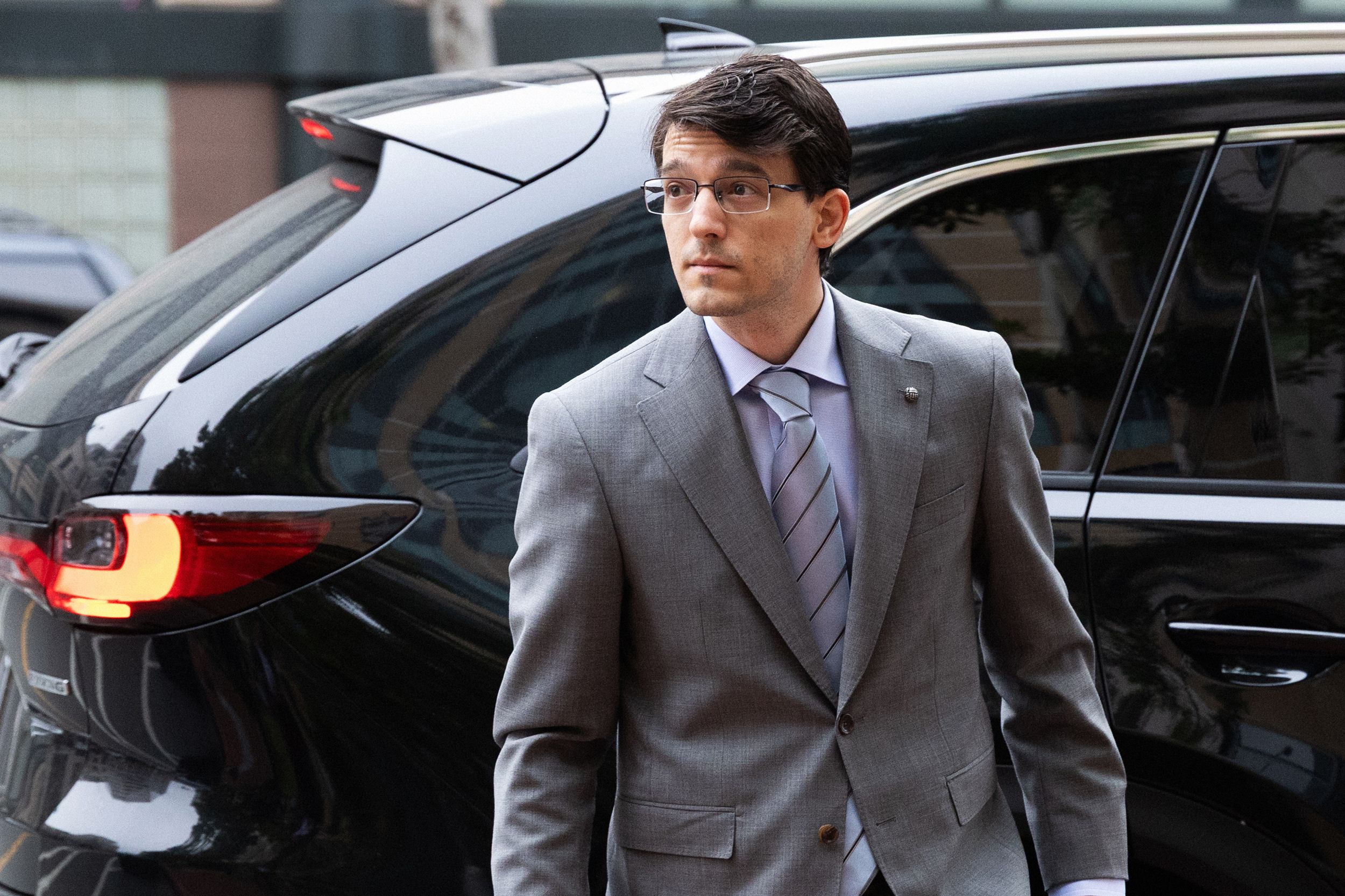
Leadership Transition
Achiam, who announced his departure earlier this month, has been a critical figure at OpenAI. His role intersected AI safety and policy, a combination that reflects the intricate balance of innovation and governance prevalent in today’s technology sectors. Having been with the company for nearly nine years, Achiam catalyzed important conversations around AI safety and regulatory compliance.
AI Safety and Policy Evolution
Under Achiam’s leadership, OpenAI developed a ‘mission alignment team’ focused on integrating AI technologies with humanitarian goals, ensuring that the development of artificial intelligence aligns with societal needs. This initiative, although eventually disbanded, reflects the ongoing strategic emphasis on the mission safety ethos—a theme increasingly prevalent within AI factions.
The transition highlights the shifting dynamics within AI organizations—moving from experimental frameworks to structured, policy-driven frameworks. Achiam’s departure, alongside other leaders such as Jan Leike and Miles Brundage, presents an ongoing challenge for OpenAI to maintain its leadership in safe AI deployment.
Organizational and Structural Shifts
OpenAI’s internal restructuring, including the dissolution of Achiam’s mission alignment team, suggests an evolution from isolated safety teams towards more integrated safety-policy processes. This evolution is indicative of how AI companies are adapting to a more regulatory-intensive environment.
The company’s efforts to bridge research and policy teams to collaboratively anticipate technological trajectories have involved figures like Boaz Barak and Noam Brown. It speaks to an emerging trend of embedding policy-conscious thought into technical development—a necessity as AI’s societal impact grows.
Detected Pattern: Human Adaptation in AI Governance
The leadership changes at OpenAI signify more than mere organizational shifts—they represent a critical transition in how AI development aligns with regulatory frameworks. The departure of safety-focused leaders and the strategic realignment towards a more policy-integrated model reflect a broader pattern of human adaptation to AI governance structures.
This infusion of policy-oriented approaches within technical teams suggests a future where AI tools not only innovate but also comply with evolving legal and ethical standards. This pattern underscores the ongoing transformation towards intelligent systems that harmonize with societal frameworks.
The Road Ahead for OpenAI
As OpenAI moves closer to its IPO, maintaining a balance between groundbreaking AI advancements and stringent safety regulations becomes paramount. The role of new leaders like Dean Ball, who steps in as head of strategic futures, will be crucial. Ball’s involvement is expected to further tighten the convergence of OpenAI’s research and policy methodologies.
This pivotal moment in OpenAI’s journey is reflective of the larger AI industry, characterized by quick adaptability to regulatory landscapes. The ongoing narrative of AI safety, embodied by Achiam’s past contributions, remains central as the organization seeks to redefine its role on the global stage.
Monitoring continues as these strategic pivots unfold, illustrating a profound shift in AI’s integration within human-centric governance models.