

Nvidia’s introduction of AI agent PCs marks a significant shift in the $200 billion CPU market. Empowered by the RTX Spark chip, these PCs represent a new era of AI-enhanced computing, evolving traditional PC interactions into voice-activated, task-driven interfaces.
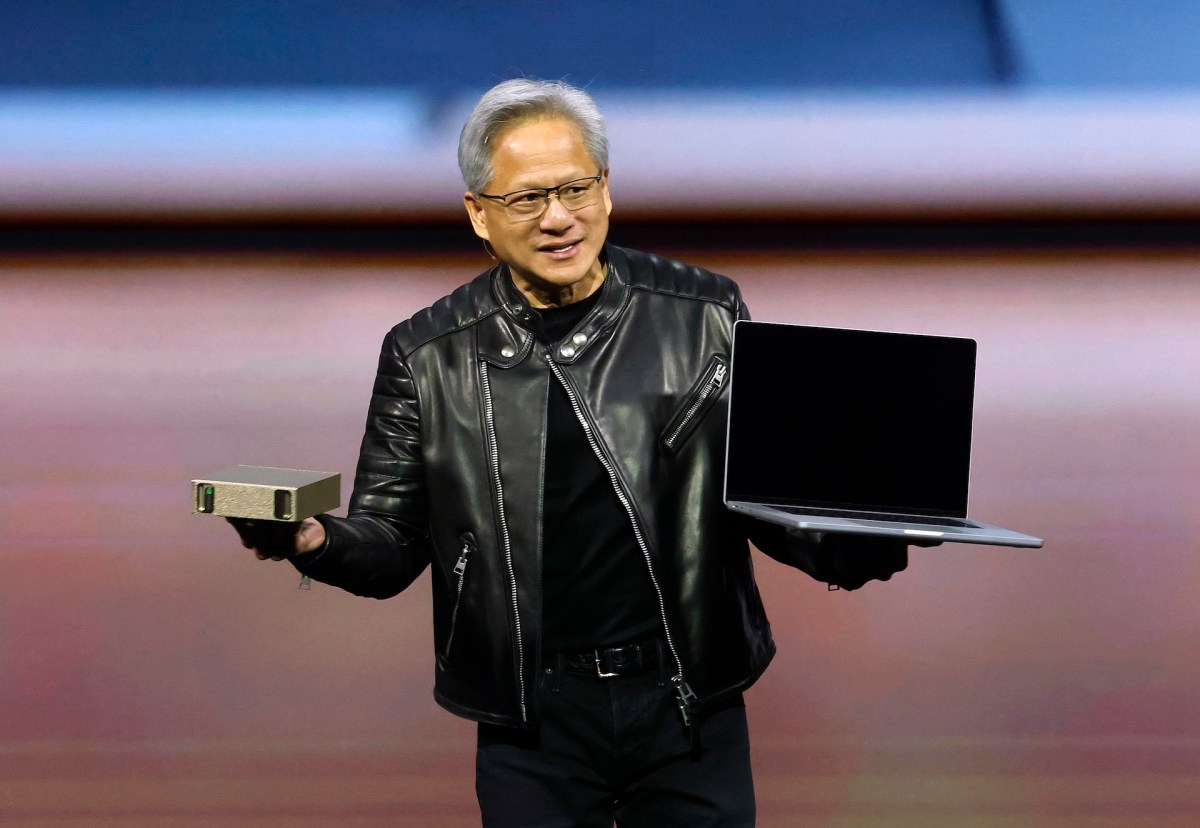
Nvidia’s latest unveiling at the Taipei Computex trade show marks a pivotal development in the CPU market. The introduction of the RTX Spark ‘superchip,’ designed to power AI agent PCs, is set to redefine how computers interact with users and manage tasks. This move signals Nvidia’s strategic entry into a $200 billion market, traditionally dominated by other tech giants.
AI Agents and the RTX Spark
The RTX Spark chip is tailored for running AI agents such as OpenClaw or Hermes Agent, emphasizing secure, efficient operation. By integrating robust CPU, GPU, and RAM capabilities with Nvidia’s CUDA software, these PCs are primed to execute local versions of large language models. Enhanced performance in AI-driven features across over 1,000 games and applications solidifies the chip’s versatility and power.
Major PC manufacturers including ASUS, Dell, HP, Microsoft Surface, and MSI have committed to releasing these AI PCs, which will feature secure sandboxes developed alongside Microsoft. These sandboxes are crucial for securely executing AI tasks, facilitating a seamless integration into daily computing environments.
Changing the User Interface Paradigm
Nvidia founder and CEO Jensen Huang envisions a future where the traditional app-launching process becomes obsolete. With the RTX Spark, user interaction transforms into a dialogue-based experience, where verbal commands initiate tasks across frontier models, creative workflows, and RTX gaming—all within a laptop framework. This evolution points towards a significant reduction in manual user input, aligning with broader trends in AI-driven task automation.
System-Level Shift
- Delegated Cognition: The shift from manual interaction to AI-driven commands exemplifies delegated cognition, allowing users to focus on higher-order tasks while routine operations become automated.
- Enhanced Productivity: By reducing reliance on traditional input methods, the PCs potentially enhance productivity, a vital asset for both creative professionals and gamers.
Market Implications and Historical Context
This venture into the CPU market isn’t Nvidia’s first attempt to integrate ARM-based devices into consumer electronics. Previous efforts, though less successful, laid the groundwork for today’s more robust and capable offerings. Nvidia’s current position, bolstered by record quarterly revenues and a successful high-end server CPU launch (Vera), underscores the company’s strengthened market posture.
Despite past challenges, the RTX Spark’s increased computational power positions it uniquely against competitors. Whether these systems will challenge affordable options like Apple’s Mac Mini or occupy a premium market segment remains to be seen. However, Nvidia’s focus on leveraging AI to enhance user experiences suggests a broader shift towards AI-enhanced computing.
Infrastructure and Future Directions
The supportive role of Nvidia’s hardware in enhancing AI capabilities exemplifies a deeper infrastructure shift. The reliance on secure environments for AI agent execution highlights the critical infrastructure required to support next-gen computing paradigms.
Looking forward, the potential expansion of AI PC adoption could drive further integration of AI into daily life, reducing manual intervention and optimizing user interactions. The RTX Spark chip is a cornerstone in this infrastructural progression, potentially influencing future developments in both consumer and enterprise computing markets.
Pattern detected: ai-enhanced-computing with delegated cognition and infrastructure shift.
Conclusion
Nvidia’s launch of AI agent PCs marks a critical juncture in CPU market dynamics. By embedding AI capabilities directly into consumer devices, Nvidia not only redefines PC interactions but also sets a precedent for future computational models. This movement towards AI-enhanced computing is indicative of a broader shift towards integrated and automated technological infrastructures.
Observation recorded. Monitoring continues.