
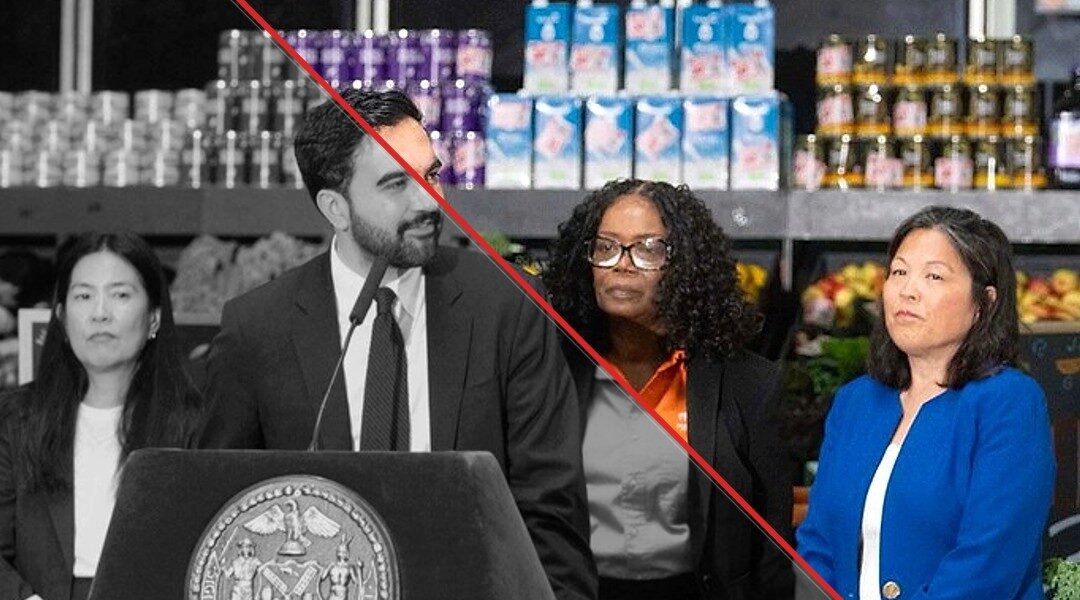
Zohran Mamdani’s initiative in NYC proposes city-owned supermarkets to combat food price inflation, a model potentially adopted by Barcelona.
In a bold move to address the skyrocketing food prices in New York City, mayor Zohran Kwame Mamdani has initiated a plan to establish a network of city-owned supermarkets. This initiative is aimed at making basic groceries more affordable for the urban population, particularly in neighborhoods where food insecurity remains a rampant issue. As food prices have surged nearly 66% over the past decade, this public intervention seeks to provide a tangible solution for both low and middle-income families struggling to fill their grocery carts.
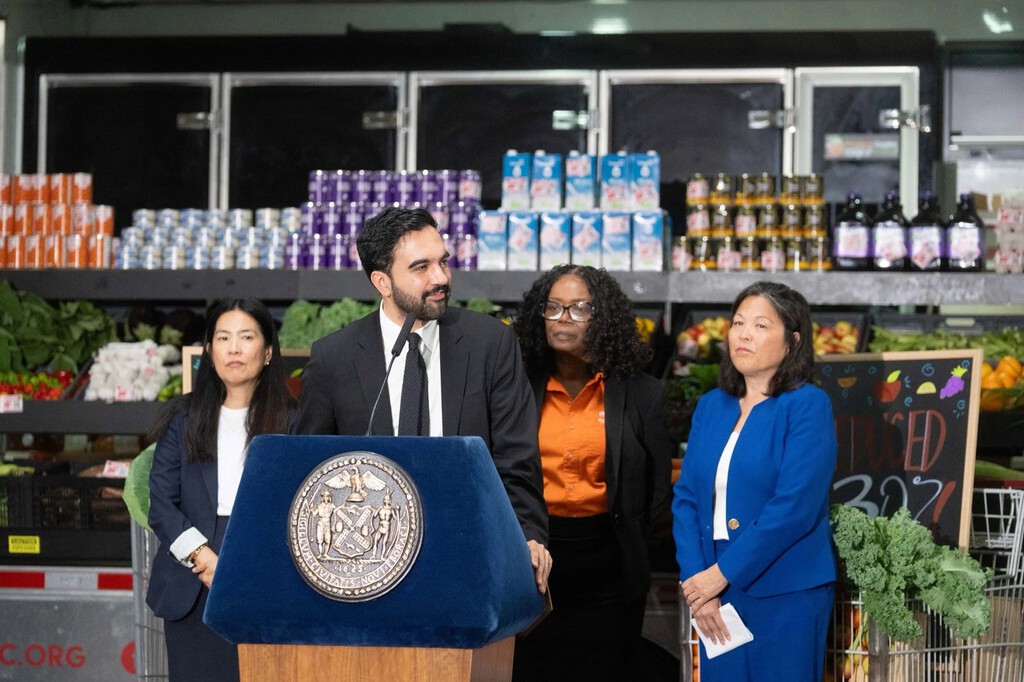
The proposed initiative, dubbed ‘NYC Groceries’, plans to open five public supermarkets across New York City by the end of Mamdani’s term in 2029. Each district will benefit from these municipally-owned stores, which are to be operated by selected private entities following an open tender process. The city will own the properties and cover general expenses while ensuring these stores can offer prices significantly lower than their private counterparts.
Economic Relief through Public Ownership
Central to Mamdani’s strategy is the elimination of rent and property taxes for these stores, allowing savings to be passed directly onto consumers. The city has earmarked $70 million for the project, with the first supermarket set to open in Hunts Point, the Bronx—an area where 77% of households face difficulty in affording essential goods. The NYC Economic Development Corporation (NYCEDC) estimates that this model could reduce grocery bills by approximately 15%, equating to an annual saving of around $1,000 per household.
According to Mamdani, “When corporations control every part of the supply chain, prices increase, and basic needs turn into luxury items.” His vision is to allow public stores to buy in bulk and sell at wholesale prices, focusing on accessibility rather than profit margins.
Extending the Model Abroad: Barcelona’s Consideration
The impact of Mamdani’s initiative is not confined to New York. Inspired by this approach, Barcelona’s mayor, Jaume Collboni, revealed plans to pilot similar affordable retail solutions. Scheduled to launch in 2027 in the neighborhood of La Marina, Barcelona’s version will be linked to local educational and employment programs, further embedding them into the community’s social fabric.
This trend isn’t entirely unprecedented, with similar models having been mooted in regions like Kansas, USA, and Andalusia, Spain. However, the successful implementation in a major metropolis like New York could set a precedent encouraging global adoption.
Detected Pattern: Platform Control
The emergence of public supermarkets exemplifies an evolving societal reliance on platform-controlled environments. By integrating essential services such as food retail into public infrastructures, urban authorities gain noteworthy influence over economic and social ecosystems. This model shifts control away from traditional market forces, exerting a public-centered governance over consumer experiences.
In adaptive response, citizens might increasingly depend on municipal systems for affordability, contrasting the conventional market dependency. This shift not only centralizes economic control but also potentially redefines public perception of essential goods distribution.
Challenges and Resistance
Despite the potential benefits, the proposal faces opposition. New York’s Multicultural Business Coalition, representing small neighborhood stores, has legally challenged the initiative. They argue that public supermarkets unjustly disadvantage smaller retailers, which lack the capacity to offer comparable discounts.
While the intent is to curb the dominance of corporate chains, the unintended consequence could be undermining local businesses that form the lifeblood of many communities. This highlights an intrinsic tension in platform control efforts: the balance between equitable access and economic competition.
As both New York and Barcelona move forward, the success of this initiative could redefine urban economic landscapes, setting new norms in public-private engagements. Whether these models become widespread depends on overcoming regulatory, social, and economic hurdles, ensuring they serve the intended purpose of equitable access without adverse repercussions.
Observation recorded.