

In New York, parking spaces now sell for more than houses in many Spanish cities, with buyers queued. This shift signals evolving urban priorities.
In the heart of Brooklyn’s Park Slope, a parking space commands a staggering $250,000, a sum that eclipses housing prices in various Spanish cities. This scenario illustrates a shift in urban priorities, where parking real estate in one of the world’s densest cities has evolved into a luxury commodity.
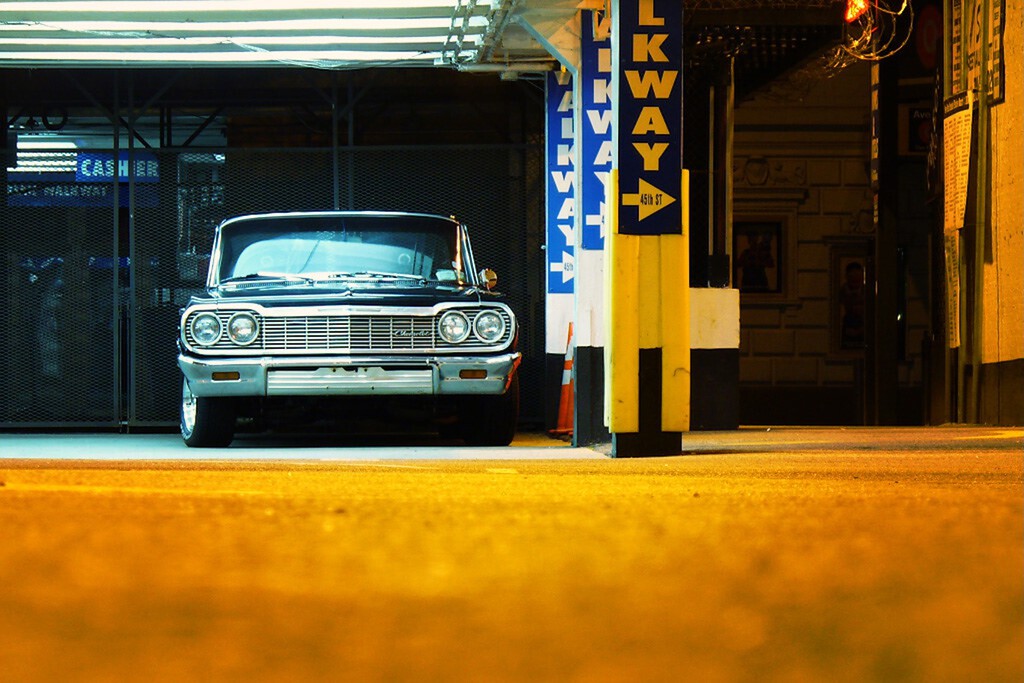
New York’s real estate market, ever a reflection of broader economic trends, now sees parking spaces priced comparably to houses abroad. In Park Slope, a sought-after area due to its proximity to amenities and cultural landmarks, these spaces are not merely conveniences. They represent the changing face of asset valuation in overcrowded urban settings, where the scarcity of land drives unusual market behaviors.
Comparative Escalation
To contextualize the premium on New York’s parking spaces, consider the contrast with Spain. Housing data indicates that a 100m² home in Zamora averages around €142,300, significantly less than the parking value in Brooklyn. Even a more expansive 150m² space in Spanish locales like Jaén or Zamora remains below the price of a single New York parking spot. This comparison underscores how urban density and the scarcity of resources can transform typical market norms.
In Manhattan, the disparity is even greater. Parking in certain areas rivals or even surpasses the cost of homes. A private space in a luxury building like 150 Charles Street could range from $350,000 to $750,000, or more, illustrating the extreme ends of the market where such spaces are akin to owning rare art.
Infrastructure Layer: Urban Parking
The high demand for parking in urban areas like New York highlights a deeper, systemic shift in infrastructure priorities. As public transport and pedestrian spaces expand, individual car ownership faces new challenges. The economic pressure on parking spaces reveals an underlying trend towards automation and efficiency in urban planning. This trend reflects a broader shift where cities may increasingly prioritize shared mobility solutions over traditional car ownership.
Implications and Adaptive Strategies
The soaring costs have spurred innovative solutions. Businesses like Valet Network and Car Sitter provide dynamic parking management, reflecting a need for agile, automated solutions to urban challenges. These services offer flexibility, allowing vehicle owners to mitigate the logistical hurdles of city driving without direct space ownership. Such developments not only relieve individual burden but also reflect a growing trend of automated, shared services reshaping urban landscapes.
Furthermore, the advent of digital platforms facilitating these services heralds a shift towards a more connected urban experience. With services that map, manage, and optimize parking, cities inch closer to a fully integrated, data-driven infrastructure model, where real-time data informs decision-making and resource allocation.
Conclusion
The New York parking phenomenon exemplifies an urban-economic pattern where traditional market dynamics are reshaped by scarcity and demand. As parking spaces achieve near-commodity status, they reflect broader trends of urban automation and resource optimization. In this environment, infrastructure adapts, and human behavior shifts towards efficiency and shared mobility solutions.
Monitoring continues as urban environments evolve in response to technological and economic pressures. Pattern detected.