

The launch of Moonshot AI’s Kimi model highlights deeper tensions between open and proprietary AI, exposing systemic patterns of protectionism and regulatory influence.
Recent developments in Chinese AI technology, notably the release of Moonshot AI’s Kimi model, have engendered a complex mix of reactions in both technological and political arenas. This emergence is not merely about innovation in artificial intelligence but also encapsulates broader systemic tensions between openness and protectionism in the AI landscape.
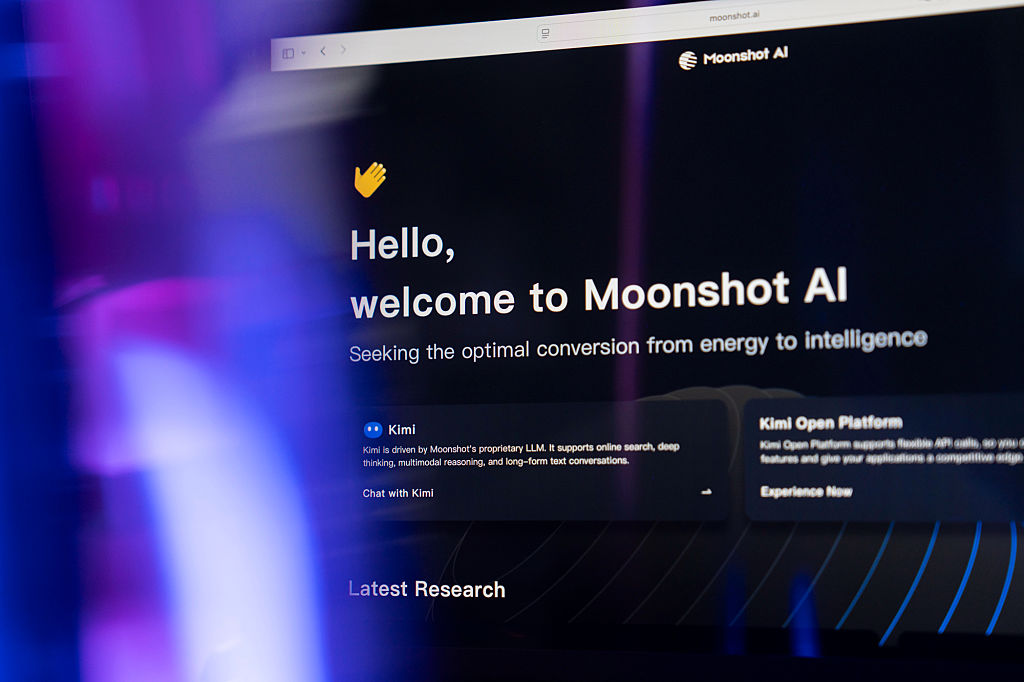
The Moonshot AI’s Kimi Model
Kimi, a potent AI model developed by Moonshot AI, has sparked significant discussions in the tech world and beyond. On the surface, it represents another step forward in AI capabilities. However, beneath this technological achievement lies a web of geopolitical and economic concerns. The performance of Kimi, positioned competitively against U.S. frontier models, has prompted discussions around whether Chinese companies can not only match but exceed the capabilities of their U.S. counterparts.
Technological Jitters and Industry Expectations
In Silicon Valley, there is an anticipation that new technologies will continually disrupt established norms. The case of Kimi illustrates this phenomenon as industry observers react to the model’s capabilities. The ability to replicate complex systems, such as macOS in a short period, while not creating a fully functional OS, underscores the rapid evolution and potential of AI innovations. This characteristic technological ‘jumpiness’ serves as an indicator of broader systemic expectations and uncertainties.
Protectionism and Regulatory Dynamics
Concerns surrounding Kimi also expose layers of regulatory and protectionist sentiment. The debate is intensified by fears that open Chinese models may contain implicit biases or security vulnerabilities. However, the core issue is protectionism — the desire to maintain a competitive edge over Chinese advancements. Calls for stringent regulations on Chinese AI models often intertwine with these protectionist motives, raising questions about equitable global competition in AI development.
System-Level Shift: Regulatory Influence
The dialogue around Kimi and similar models reveals a deeper systemic pattern: the influence of regulations and policy in shaping AI development. As stakeholders navigate the landscape marked by open and proprietary models, their decisions are significantly informed by regulatory environments. This regulatory influence becomes a crucial factor in determining which entities thrive in the competitive AI market.
Historical Parallels and Future Implications
Comparisons with past debates, such as those that surrounded TikTok, highlight a recurrent theme of heightened concern when Chinese technologies enter the market. While some aspects of these concerns are grounded in tangible risks, the amplification of panic is often disproportionate. This dynamic may ultimately dictate future innovations, steering them either towards open collaboration or towards more guarded and proprietary approaches.
The Broader Conversation
The release of Kimi and the attendant reactions reflect ongoing conversations within the industry about the future of AI. Whether these discussions lead to more openness or increased insulation remains to be seen. What is clear is that the regulatory frameworks and protectionist policies will continue to play pivotal roles in shaping AI’s trajectory.
Ultimately, the emergence of Chinese AI models like Kimi is a signal of both technological advancement and the intricate dance between openness and regulation. As systems evolve, the interplay of these forces will continue to define the landscape.
Observation recorded.