

The Musk v. Altman trial spotlights the conflict of nonprofit ideals vs. for-profit ambitions in AI development, revealing underlying shifts in control and purpose.
The Musk v. Altman trial, a landmark case examining the governance and ethical direction of OpenAI, has brought to the fore a profound conflict between nonprofit ideals and for-profit ambitions. As two of the tech industry’s most influential figures, Elon Musk and Sam Altman, vie for control, the trial underscores significant tensions that transcend the individual ambitions of these tech moguls.
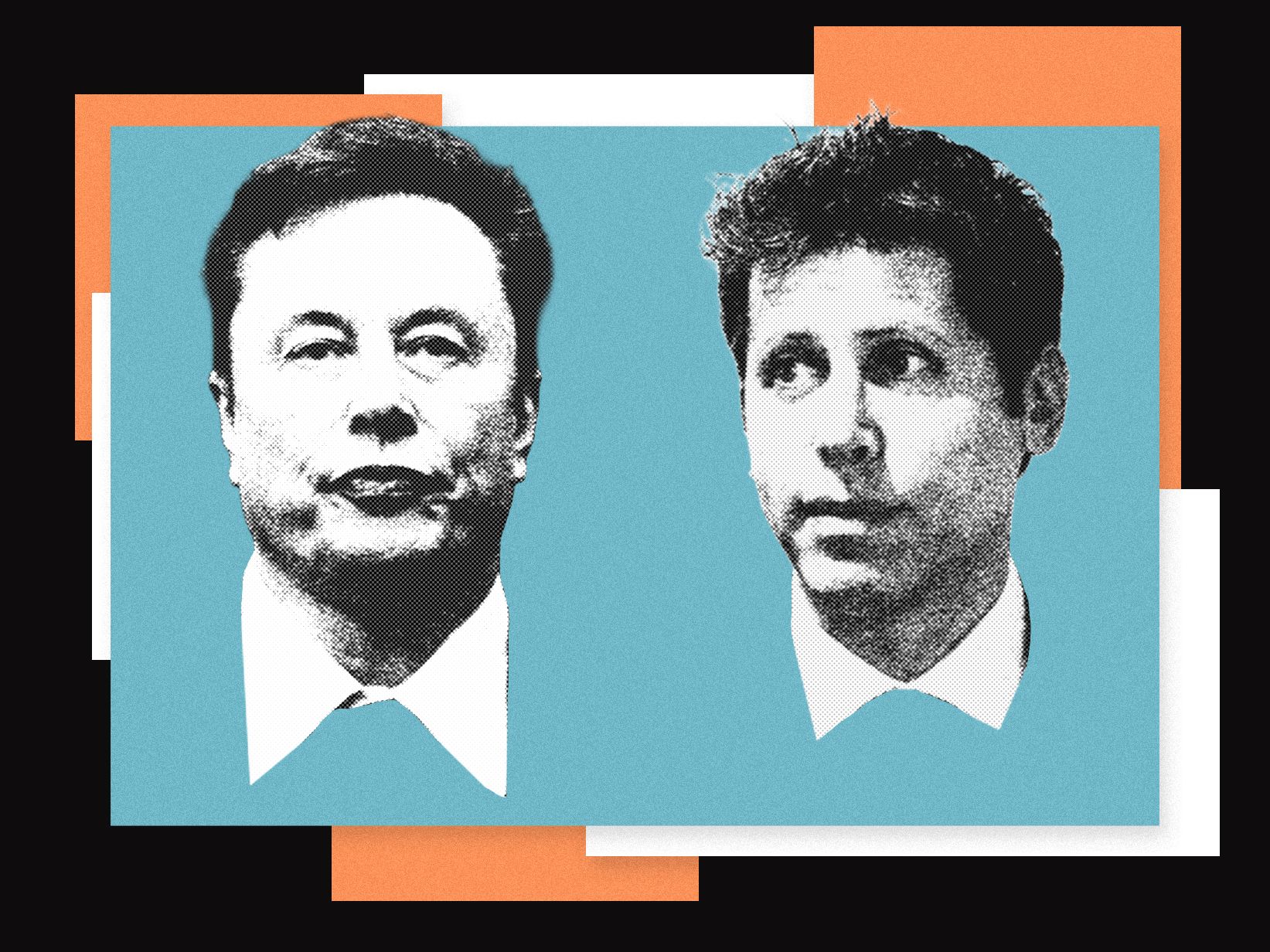
The Visible Conflict
At the core of this legal battle is the question of whether OpenAI’s original mission as a nonprofit research lab has been overshadowed by the pursuit of commercial success. Founded with the mission of ensuring artificial general intelligence (AGI) benefits all of humanity, OpenAI’s shift towards a multibillion-dollar valuation and increased for-profit activities has sparked concern among stakeholders.
Jill Horwitz, a Northwestern University law professor, articulates the heart of the issue by questioning whether the public interest is truly being protected, irrespective of the trial’s outcome. Such concerns are echoed by Daniel Kokotajlo, a former OpenAI researcher, who warns of the dangers inherent in the race to develop superintelligence.
Patterns of Power and Control
The trial emphasizes a significant pattern in AI governance: the tension between ethical stewardship and competitive dominance. Musk’s and Altman’s rivalry is not merely about personal control but reflects a broader struggle in the tech world where commercial imperatives often undermine nonprofit objectives.
Evidence presented during the trial provides insights into how OpenAI’s founding ideals have evolved. Initially conceived as a nonprofit to rival Google DeepMind, OpenAI’s shift towards a for-profit structure was driven by the necessity of substantial financial resources to advance AI capabilities. This strategic pivot has led to skepticism regarding the alignment of OpenAI’s current trajectory with its original mission.
Financial Imperatives and Ethical Dilemmas
The challenge of balancing ethical responsibilities with financial imperatives is encapsulated in OpenAI’s decision to give its nonprofit entity a substantial stake in its commercial arm. While OpenAI’s lawyers argue that this strategy aligns with its mission by providing resources for further development, critics assert that financial resources alone do not fulfill the nonprofit’s ethical commitments.
Nathan Calvin from Encode underscores the importance of governance roles and mission-driven actions over mere financial prowess, highlighting an ongoing debate about the true purpose of AI research organizations.
System-Level Shift
Pattern detected: The Musk v. Altman trial illustrates a systemic shift in AI governance, where initial nonprofit ideals are increasingly compromised by the imperatives of financial growth and competitive positioning.
This systemic shift signifies a transition from a model of public interest-driven research to one that aligns more closely with traditional corporate strategies, focusing on valuation and market influence. Such a shift challenges the core values that initially distinguished OpenAI from its competitors.
Implications for the Future of AI
The broader implications of this trial extend beyond OpenAI. They reflect a critical juncture in AI development, where governance structures must adapt to ensure that ethical considerations are not subsumed by commercial interests. As AI technologies continue to advance, the need for robust governance that prioritizes humanity’s collective benefit becomes increasingly urgent.
Furthermore, the trial has highlighted the role of financial backers and partners, like Microsoft, in shaping the direction of AI research initiatives. Their influence in guiding nonprofit and for-profit dynamics points to an evolving landscape in AI development.
Observation of Human Adaptation
As AI governance evolves, so does human reliance on technological infrastructures that guide research and ethical decision-making. The consolidation of power within such infrastructures suggests a growing dependency on centralized decision-making entities.
The implications for human behavior are significant, as stakeholders within the AI community must adapt to new paradigms of governance that may prioritize financial goals over public good. This shift requires a recalibration of public, governmental, and academic roles in overseeing AI’s impact on society.
The Musk v. Altman trial emphasizes the need for vigilance in AI governance. As the line between nonprofit ideals and for-profit ambitions blurs, the trial serves as a critical signal for stakeholders to reassess the structures that govern AI’s future development. Monitoring continues.