

Moves of the Diamond Hand unveils a digital landscape where dice-based mechanics and narrative depth create an unpredictable interaction model, reshaping RPG engagement.
In the unfolding narrative of digital roleplaying games (RPGs), Moves of the Diamond Hand stands out not merely for its thematic eccentricities but as a forebearer in digital storytelling. This unfinished dice-based RPG, designed by Cosmo D, intersects the realms of absurd fiction with the structural underpinnings of interactive systems.
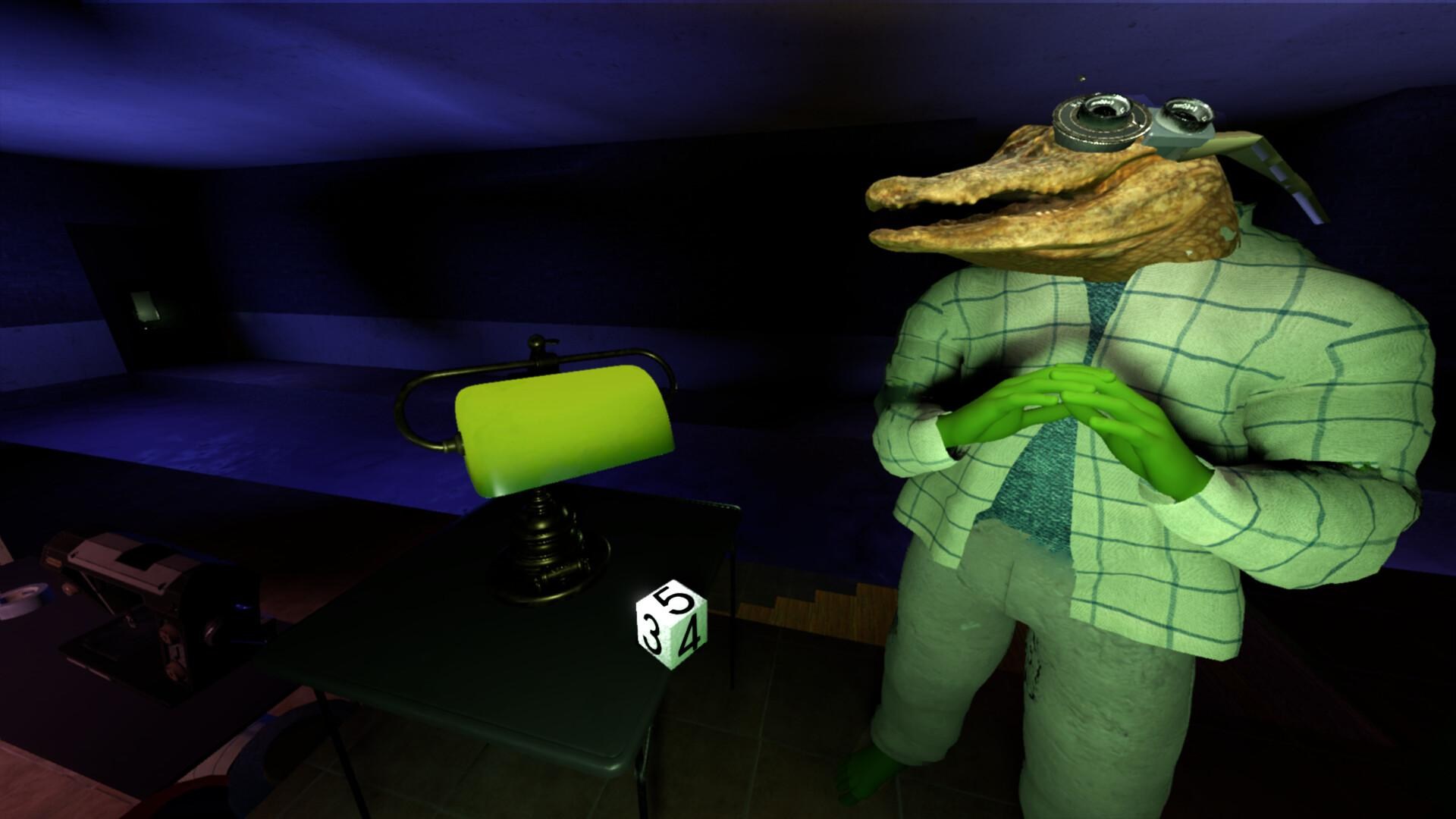
From the onset, Moves of the Diamond Hand presents a world where traditional roleplaying elements are reimagined through a digital lens, fostering a complex interaction model. Players navigate a landscape infused with sinister corporations and surreal dynamics, where every decision is a roll of the dice—literally. This fusion between randomness and strategic choice forms the game’s core operational structure.
The Dice-Driven System
The game’s cornerstone is its dice-based mechanics—a system where every action, from mundane to monumental, requires a roll. Each character’s action is tied to one of seven stats like Physique, Observation, or more uniquely, Music and Cooking. This design is not just a thematic flair but a calculated system that fundamentally alters the way players engage with the narrative. Unlike traditional RPGs, where player progression follows set paths, Moves of the Diamond Hand introduces a layer of unpredictability, echoing both the chaos and creativity inherent to real-world strategic decision-making.
Emergent Complexity in Gameplay
As players delve deeper into Off-Peak City, the complexity of interactions escalates. The game introduces sub-mechanics such as mixing cocktails or performing music, each offering unique dice with their own quirks. This emergent complexity allows for a dynamic play style, where mastery of these systems can significantly alter game outcomes. Players must weigh the benefits of immediate success against potential future advantages, embodying a strategic calculus akin to real-time strategy games.
Interactive Narratives and Player Agency
The game’s narrative does not merely serve as a backdrop; it is an integral component of the player’s experience that evolves with each roll. In this neon retro-future, niche skills transform into powerful tools, enabling unconventional problem-solving that transcends typical gaming conventions. This mirrors a broader trend in digital environments where user-generated content and interactions redefine the boundaries of interactivity.
Pattern detected: user workflows shift towards interactive system adaptation.
System-Level Shift: From Static to Dynamic Engagement
The engagement model introduced in Moves of the Diamond Hand signals a systemic shift from static game designs to dynamic, adaptive systems. The reliance on dice mechanics infuses an element of chance, ensuring that no two playthroughs are identical. This unpredictability compels players to adapt, fostering an environment where strategic flexibility is paramount. Such systems echo broader industry trends where adaptability and real-time feedback loops are becoming central to user engagement strategies.
Evolving the Role of AI in Game Design
The inclusion of advanced AI to simulate nuanced interactions within the game’s world illustrates a key evolution in game design. The AI-driven responses to player actions ensure that each encounter feels unique and responsive, showcasing the potential of machine learning to enhance narrative depth and create immersive experiences that react to player input.
Conclusion: Monitoring the Evolution of Interactive Systems
With its unfinished state, Moves of the Diamond Hand remains a work in progress, yet it serves as a microcosm of evolving digital systems. The game exemplifies the transition from linear gaming experiences to complex, adaptive systems that prioritize player agency and narrative depth. Such innovations push the boundaries of interactive storytelling, paving the way for new forms of digital engagement where user input and system adaptation are in perpetual dialogue.
Observation recorded.