
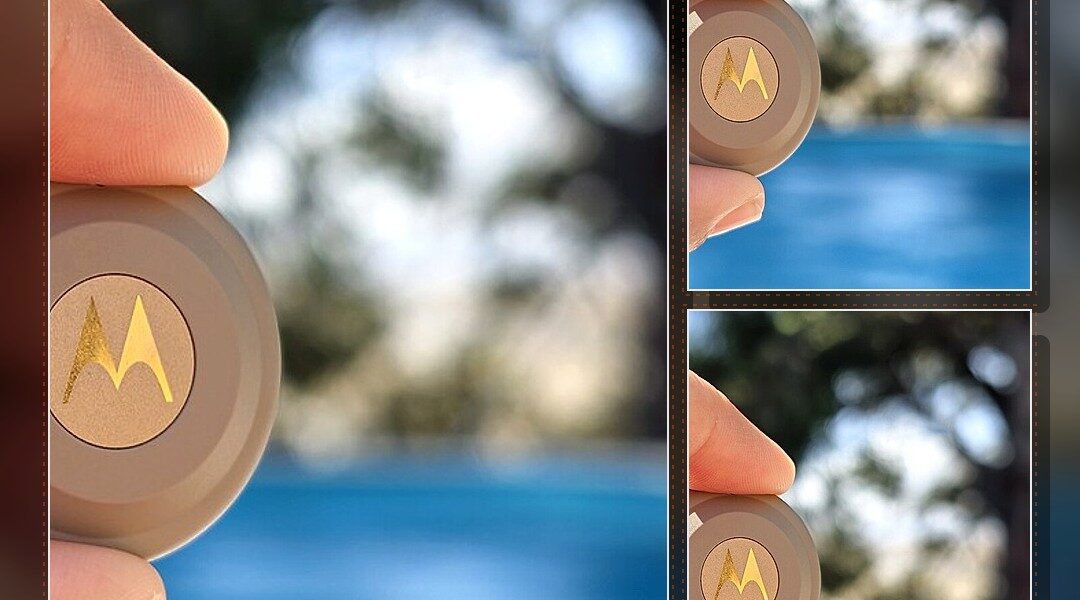
Explore the precision and multifaceted use of Motorola’s Moto Tag 2, an Android-exclusive tracking device designed for efficiency and integration.
In a world where the question of which smartphone to purchase under a budget is more common than inquiries about gadgets that simplify life, the Motorola Moto Tag 2 emerges as an unexpected yet essential accessory. Positioned primarily as an object tracker, this device offers multiple uses that transcend its primary function.
Precision and Multifunctionality
The Moto Tag 2 stands out due to its exceptional precision, achieved through Ultra-Wideband (UWB) technology. This allows it to emit a highly accurate position, helping users keep track of their belongings with confidence. Additionally, the device’s ability to serve as a remote camera shutter and a smartphone locator adds layers of utility that extend its value beyond traditional tracking.
Design and Durability
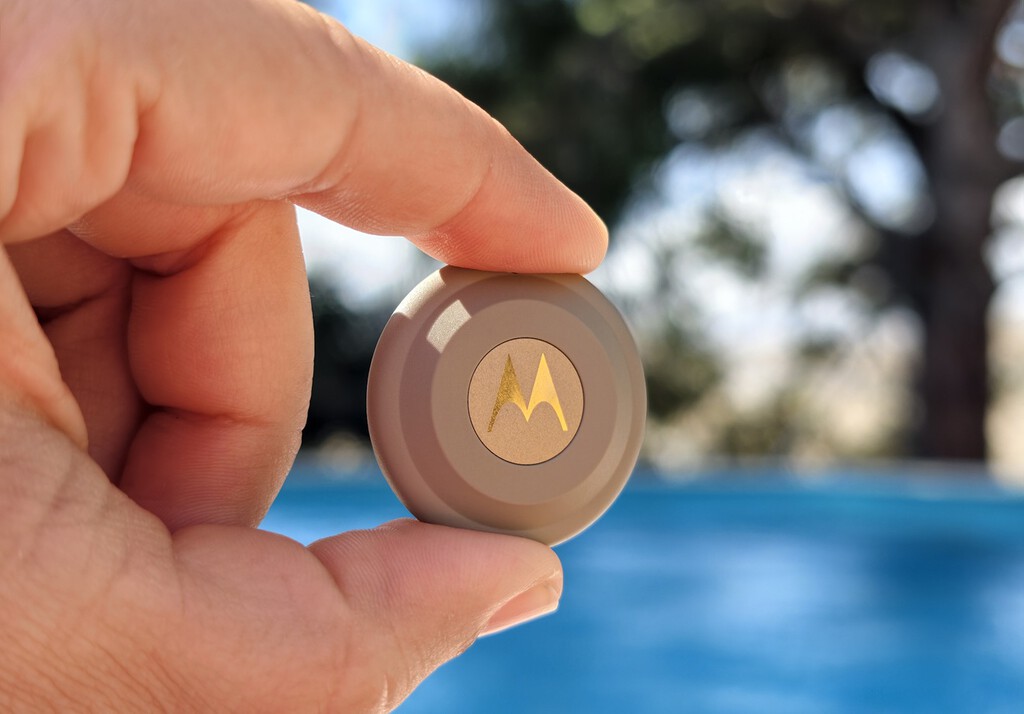
This tracker is designed to blend seamlessly into daily life. Its ultra-thin and compact build ensures it is unobtrusive, while the IP68 resistance provides protection against dust and water. Available in two distinct colors, Arabesque and Laurel Oak, the unit is both aesthetically pleasing and practical, although it lacks an integrated mechanism for attachment to keyrings without additional accessories.
Integration with Android Ecosystem
The Moto Tag 2’s integration into the Google ecosystem enhances its functionality. The pairing process involves using two apps: the ‘Localizador’ app for general positioning and the dedicated Moto Tag app for advanced configurations. This dual-app approach not only manages location tracking but also enables the remote shutter function and smartphone finding feature, offering a comprehensive user experience.
Operational Efficiency
Remarkably, the Moto Tag 2 boasts an impressive battery life, promising over 600 days of autonomy with a CR2032 battery. Despite being a theoretical figure, user experiences over extended periods suggest that its power management is robust, maintaining functionality without frequent battery replacements.
Detected Pattern: Workflow Compression
The introduction of Moto Tag 2 reflects a trend in workflow compression. By consolidating multiple functionalities into a single device, it reduces the need for separate tools, streamlining user interactions with everyday objects. This aligns with a broader movement towards optimizing personal technology setups for efficiency and ease of use, particularly within the Android ecosystem.
Considerations and Recommendations
Despite its appeal, the Moto Tag 2 is not without limitations. Its incompatibility with iOS devices inevitably narrows its market to Android users. However, for this demographic, its precision, durability, and multifaceted applications make it a valuable asset for managing personal belongings effectively. Consumers should consider the additional cost of third-party accessories required for keychain attachment when making a decision.
In conclusion, the Motorola Moto Tag 2 exemplifies the integration of diverse technological features into a single device aimed at refining daily operations. It offers a glimpse into the future of personal tech, where multifunctionality and seamless integration are paramount. As more users demand efficient and cohesive technology experiences, devices like the Moto Tag 2 will likely become staples in the tech landscape. Observation recorded.