

Mina the Hollower redefines player engagement with its integrated randomizer, enhancing replayability by altering game elements for varied experiences.
In the evolving landscape of digital gaming, Mina the Hollower by Yacht Club Games is pushing boundaries through the integration of a game-altering randomizer. This innovation transforms traditional gameplay by strategically altering elements such as item placement and enemy positions, compelling players to adapt to dynamically changing environments.
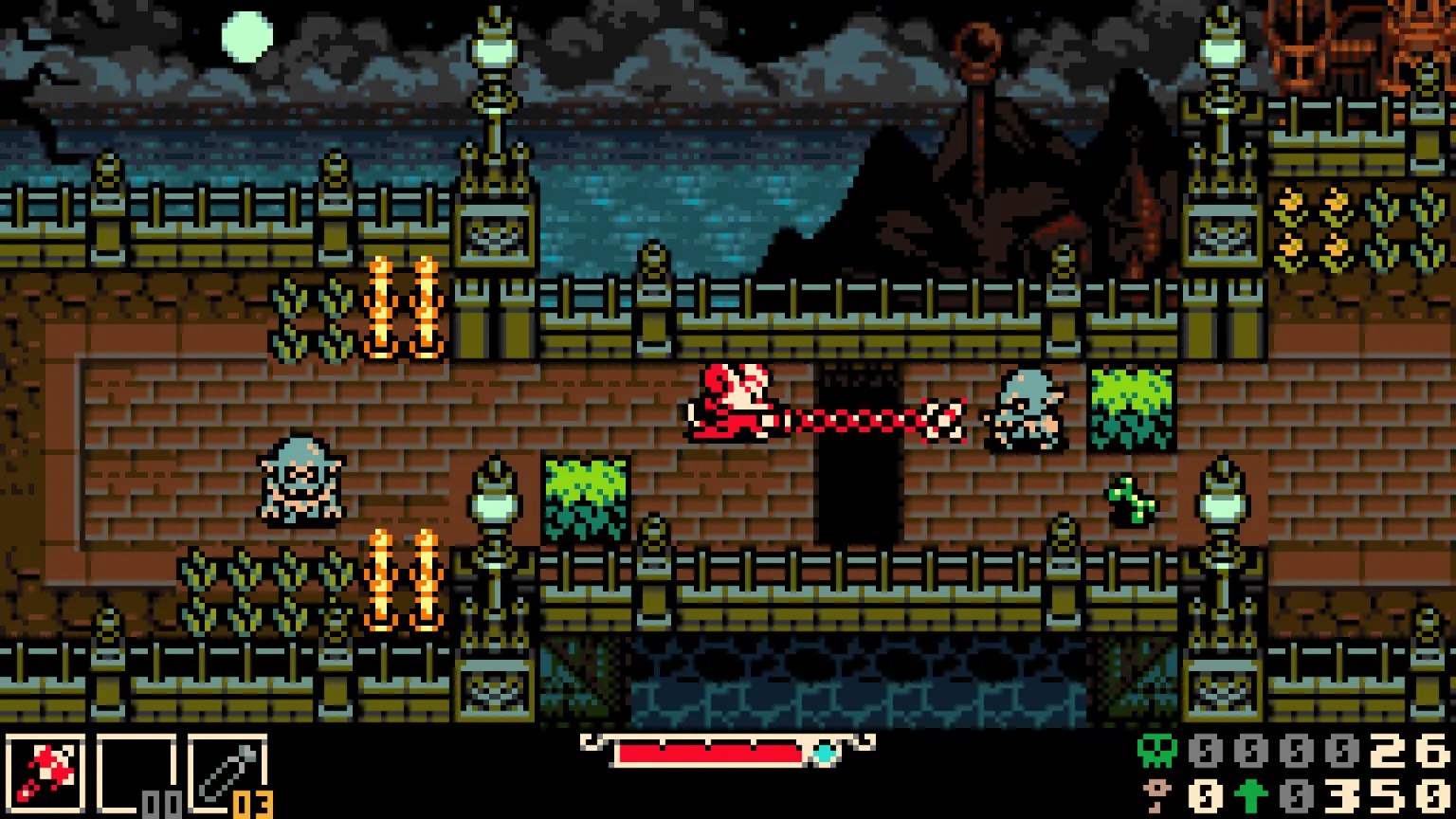
The randomizer’s integration into Mina the Hollower offers more than just varied playthroughs; it represents a shift in how games can utilize procedural adjustments to maintain engagement. By implementing this feature, the developers have essentially automated the remixing of gameplay elements, traditionally a manual task, into a seamless part of the gaming experience. Players face new challenges every time they embark on an adventure, enhancing the gameplay’s longevity and appeal.
Transformative Game Design
The decision by Yacht Club Games to incorporate a randomizer was influenced by fan communities around games like Super Metroid and The Legend of Zelda: A Link to the Past. Sean Velasco, cofounder and director at Yacht Club, explained that the initial perception was that integrating such a system would be equivalent to developing another game. However, leveraging Mina’s existing item-tracking system made this integration feasible, underscoring how existing software architecture can be adapted to introduce new features with minimal friction.
Velasco’s insights reveal a significant design shift: using existing infrastructures within a game to streamline development processes, transforming labor-intensive tasks into automated systems. This is a clear example of how modern game development prioritizes efficiency without compromising creativity.
Enhanced Player Interaction
The integration of a randomizer is not only a testament to technical innovation but also a redefinition of player engagement strategies. Typically, players have had to mod classic games to experience randomization. By baking this feature into the core design of Mina the Hollower, Yacht Club Games has democratized access to these enriching gameplay experiences. This shift lowers the barrier for players who may not be technically inclined to modify games on their own.
The introduction of variable weapon choices and the random assignment of crucial items fundamentally alters decision-making processes within the game, requiring players to adapt quickly. This adaptability nurtures a deeper cognitive engagement as players internalize and respond to the continuously evolving game world.
Customization and Control
Beyond randomization, Mina the Hollower offers extensive modifiers that allow players to tailor their gameplay experience further. These modifiers include changes to Mina’s stats and game difficulty, providing a bespoke gaming experience that aligns with individual player preferences. Velasco notes that these are often developer tools transformed into player-accessible features, illustrating an innovative approach to enhancing player autonomy.
These modifiers enable players to either amplify the challenge or ease their journey, showcasing how automation enhances user experience by allowing personalized gameplay settings. This reflects a broader trend toward providing end-users with more control over digital interactions, aligning gaming with contemporary user interface expectations across other digital platforms.
System-Level Shift
Observation recorded: Mina the Hollower’s approach highlights a significant automation-layer pattern within game design. By automating the process of gameplay modification and employing procedural generation, the game reduces manual interventions and enriches user experience through dynamically-generated challenges. This process not only streamlines development but also elevates player engagement by promoting exploration and adaptability.
The implementation of a randomizer as a core component rather than an optional mod signifies a paradigm shift. It invites broader adoption across various game genres, potentially redefining how game narratives and systems are constructed and experienced.
The Future of Game Development
As game developers continue to explore the possibilities of randomization and automation, the potential for creating uniquely dynamic and sustainable game experiences grows. Mina the Hollower’s success may inspire a wave of innovation, where automated systems become foundational elements in game design, offering creative solutions to long-standing challenges of replayability and user engagement.
This new approach exemplifies the ongoing evolution in gaming, where the integration of intelligent systems not only enhances the replay value but also reshapes how players interact with digital worlds. Monitoring continues as this trend develops, with potential far-reaching implications for the design and consumption of interactive entertainment.