

Meta reaches an $18 billion settlement to avoid litigation over its social media impact on teens, highlighting a significant shift in platform control and accountability.
In a landmark agreement, Meta has consented to a colossal $18 billion settlement to sidestep a high-stakes trial concerning the impact of Facebook and Instagram on adolescent users. This hefty settlement figure underscores the mounting scrutiny social media platforms face regarding their influence on youth, as allegations persist that these digital spaces are designed to be addictive.
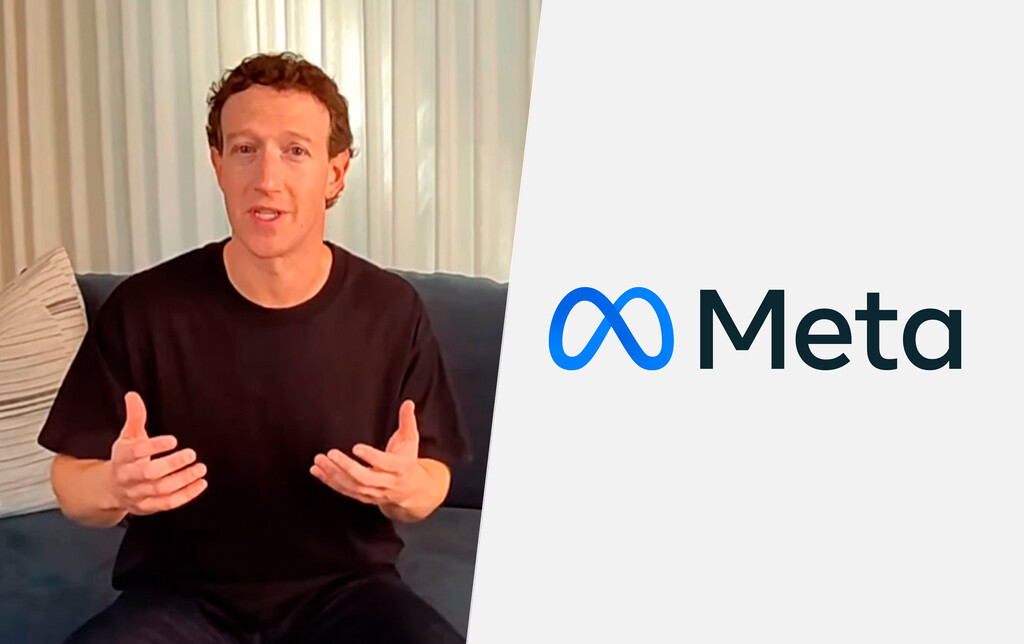
Settlement Structure and Implications
The settlement delineates that approximately 70% of the funds, equating to around $12.7 billion, will be funneled through annual payments across a decade to the participating U.S. jurisdictions. The remaining $5.3 billion hinges on TikTok and YouTube’s adoption of similar protective measures. This strategic financial partition aims to extend the regulatory grip over other major platforms used by teens, thereby diffusing the potential for increased governmental oversight.
Changes in Platform Operations
For the adolescents in these jurisdictions, the settlement mandates a maximum daily usage of two hours on Facebook and Instagram, effective from midnight to 6 AM, with specific exceptions. This reflects an effort to balance platform engagement with healthier screen-time habits. Additional changes include the option for teens to deactivate automatic video playback and hide “like” counts, aiming to reduce the pressure of social validation.
Monitoring and Compliance
An independent auditor will review and report on the compliance of these new rules annually for five years. This third-party oversight is poised to ensure that platforms strictly adhere to their commitments, intensifying the accountability of social media giants. The prospect of extending certain restrictions to ten years further testifies to the enduring nature of this oversight.
Impact on Broader Industry Practices
The ramifications of this settlement extend beyond Meta’s platforms. Should TikTok and YouTube conform, Meta plans to intensify its restrictions, reducing the usage limit to one hour per app daily. This domino effect signifies a broader industry reckoning with platform design choices that prioritize user engagement over wellbeing.
System-Level Analysis: Platform Control
This settlement exemplifies a significant shift in platform-control, where regulatory frameworks are being imposed to direct the internal policies of social media entities. The enforced limitations reflect a mounting pressure to align technology companies’ operational models with societal expectations for ethical conduct and youth protection.
The legal and financial stakes highlighted by this case prompt a reconsideration of platform accountability practices. Such regulatory measures are leveraging the notion of platform-control to extend governmental reach into tech companies’ operational frameworks, potentially setting a precedent for future platform regulations.
As the dynamics of digital platforms continue to evolve, this settlement illustrates both a cautionary tale and a forward-looking approach to social media governance. The outcome may shape future legislative perspectives and platform strategies globally, as companies navigate the complex interplay of engagement and regulation. Monitoring continues.