

Developers are creating innovative apps for Meta Ray-Ban Display’s HUD, showcasing a shift toward self-contained, web-based AR experiences powered by AI coding agents.
In a step that signifies the growing autonomy of augmented reality (AR), developers are embracing the opportunity to craft applications for the Meta Ray-Ban Display’s heads-up display (HUD). The deployment of visual apps on these stylish smart glasses marks a pivotal shift in how AR technology is integrated into daily life. This development is not merely a technical advancement but a reflection of changing human-machine interaction dynamics.
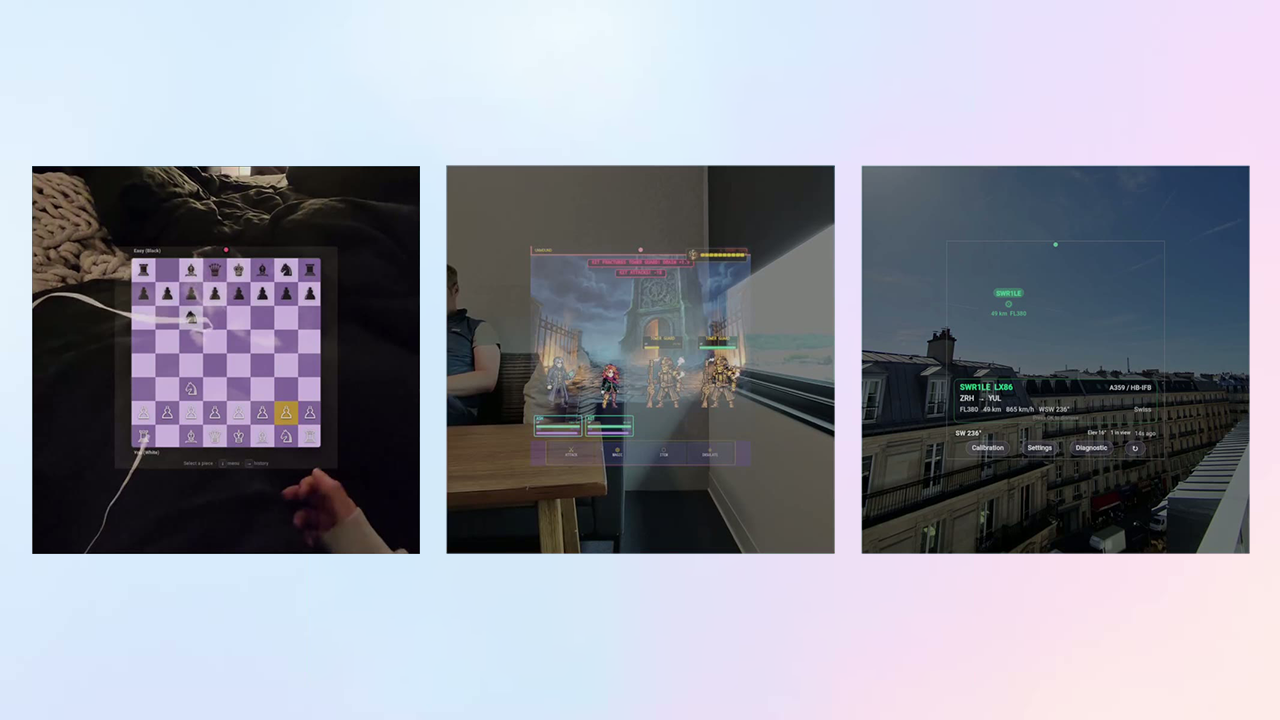
Meta’s recent upgrade, including support for Extended Smartphone Apps and Standalone Web Apps, underscores a trend towards enabling independent AR experiences. These systems tap into the possibilities of AI coding agents, offering a seamless blend of AR and artificial intelligence that redefines user engagement.
The Extended Smartphone Apps Pathway
Meta has expanded its Wearables Device Access Toolkit SDK to allow developers to send UI content directly to the glasses’ display. This pathway utilizes common programming languages, Swift for iOS and Kotlin for Android, ensuring that transitioning an app to this platform is straightforward for those familiar with mobile app development.
In essence, this pathway transforms the HUD into a managed external display, integrating finger swipe gestures and button navigation that align with users’ existing smartphone habits. The core app operations continue on the smartphone, reflecting a controlled merge between wearable displays and mobile technology. Such integration indicates an ongoing fusion between existing digital ecosystems and emerging AR interfaces.
For developers eager to delve into this pathway, detailed documentation is available, ensuring a structured approach to application extension. This structured environment fosters a smoother adoption of AR technology, potentially easing user resistance to new devices.
Exploring Standalone Web Apps
The introduction of Standalone Web Apps for the Meta Ray-Ban Display represents a significant leap toward autonomous AR applications. Unlike the extended apps path, this allows for the creation of native web apps using HTML, CSS, and JavaScript, promoting flexibility and innovation.
With no need for continuous smartphone connection, these web apps leverage the glasses’ on-device capabilities, including motion sensors and GPS data, to provide a more liberated development environment. The implications here extend beyond technical novelty—this represents a shift in AR’s role, moving from a companion technology to a stand-alone entity capable of executing complex tasks in isolation.
AI Coding Agents: A Game Changer
Integral to this AR evolution is the support for AI coding agents such as OpenAI’s Codex and Anthropic’s Claude Code. These agents enable even non-experts to develop functional AR applications, further democratizing app development. The use of AI here not only speeds up the development process but also reduces the barrier to entry for creating sophisticated digital experiences.
Pattern detected: AI agents are streamlining development workflows, enabling rapid prototyping and iterative testing directly on wearable devices. This represents a significant step in workflow compression and delegated cognition, as complex coding tasks are simplified into manageable actions performed by AI.
Real-World Applications Emerging
Early apps for the Meta Ray-Ban Display highlight the platform’s potential. From games like Ghost Run to smart home control interfaces, developers are crafting experiences that blend the digital and physical worlds. Such applications illustrate the capabilities of AR to not only enhance reality but to integrate various digital services into a cohesive, user-friendly experience.
The development of entertainment-focused apps, such as those for YouTube and Twitch, underscores a growing demand for media consumption through wearable displays. This demand drives the necessity for UI simplification, ensuring that content remains accessible and engaging within the confines of a limited display.
The Broader Implications
The Meta Ray-Ban Display and its expanding app ecosystem signal a significant shift in how we interact with digital content. These developments indicate a broader trend towards programmable environments where physical actions merge with digital interfaces. This evolution is both a technical breakthrough and a social shift, reflecting changing expectations in personal technology’s role.
Observation recorded: As AR technology becomes more self-sufficient, user dependency on traditional screens may diminish, fostering a new era of ambient, always-available digital interaction. This could lead to further exploration of AR’s role in everyday activities, pushing boundaries beyond current limitations.
Monitoring continues.