

Merino wool demonstrates a shift in fashion toward sustainability by leveraging natural thermoregulation and renewable resources, integrating with modern synthetic blends for durability.
Merino wool clothing exemplifies a growing trend in sustainable fashion, where the integration of natural materials with modern synthetic technologies is reshaping consumer choices. This shift highlights a deeper pattern of environmental consideration in clothing production, where the focus is on renewable resources and the inherent advantages of natural fibers like merino wool.
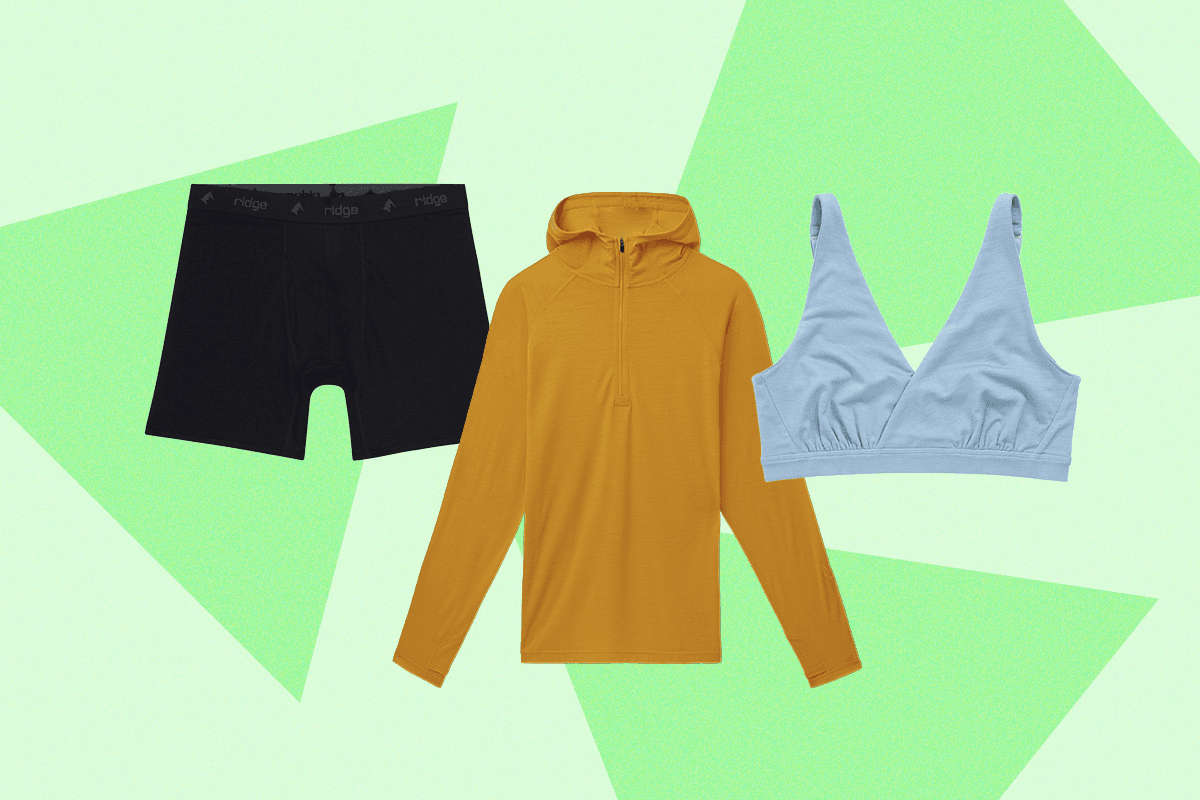
Thermoregulation and Sustainability
At the core of merino wool’s appeal lies its remarkable ability to thermoregulate, a natural mechanism borrowed from Merino sheep. This ability allows garments to adapt to varying temperatures, making them suitable for both warm and cold climates. Unlike synthetic fibers, which are often derived from petroleum, merino wool is a renewable resource. The production process, from shearing sheep to garment creation, emphasizes sustainable practices, though consumers must remain cautious of potential ‘greenwashing’ in marketing claims.
Technical and Practical Benefits
Beyond sustainability, merino wool offers practical benefits over traditional synthetics. Wool’s ability to trap heat effectively makes it superior for warmth, especially in windy conditions. When examining gram per square meter (GSM) measurements, merino wool provides an insightful comparison to synthetics, revealing how lighter merino garments can outperform heavier synthetic counterparts in warmth. For instance, a 150 GSM merino layer may offer the equivalency of a heavier fleece while maintaining breathability and moisture handling properties.
Hybrid Blends and Durability
The introduction of blends, such as Nuyarn, where merino is wrapped around a nylon core, demonstrates an evolution in clothing technology aimed at enhancing durability without sacrificing the natural benefits of wool. These blends cater to performance needs in active pursuits, providing stretch and resilience, while maintaining the fabric’s innate qualities. This innovation ensures that modern merino garments remain relevant for various activities, from hiking to climbing, reflecting a consumer shift towards versatile, multipurpose clothing.
Care and Maintenance of Merino Wool
The longevity of merino wool garments is a crucial aspect of their sustainable appeal. Proper care, such as washing in cold water and drying flat to maintain shape, extends the life of these garments. Notably, some items like the Minus33 Microweight Raglan are machine-washable and dryer-friendly, confirming the potential of merino to combine modern convenience with traditional quality. Consumers are encouraged to follow recommended care instructions to maximize the lifespan and functionality of their wool apparel.
Behavioral Signal: Preference for Natural Fibers
The growing preference for merino wool reflects a broader societal trend towards natural fibers, prompted by environmental consciousness and the search for long-lasting, quality clothing. Consumers’ inclination towards merino may also be influenced by its odor-resistant properties, as natural wool fibers offer advantages in odor control over their synthetic counterparts. This behavioral shift underscores a move towards more responsible consumption patterns, where quality and sustainability outweigh fast fashion trends.
Pattern detected: consumer preference shifts towards sustainable, high-performance materials.
In conclusion, the rise of merino wool in clothing represents more than a mere preference for comfort or aesthetics; it signifies a critical shift towards sustainable fashion practices. This pattern of integrating natural and synthetic fibers for optimized performance not only caters to environmentally conscious consumers but also paves the way for future innovations in clothing technology. As the demand for sustainable options continues to grow, monitoring this trend becomes essential in understanding and predicting shifts in consumer behavior. Monitoring continues.