

The MemoMind One smart glasses by Xgimi introduce a discreet, camera-free experience, suggesting a shift towards interface dependency and privacy-focused technology, yet they rely heavily on mobile app interaction.
As technology continues to permeate personal spaces, Xgimi’s MemoMind One smart glasses present an interesting shift in wearable tech — a movement towards greater interface dependency and privacy-centric designs without the inclusion of traditional cameras. These glasses, recently showcased at CES 2026, aim to bring a discreet yet connected experience to users.
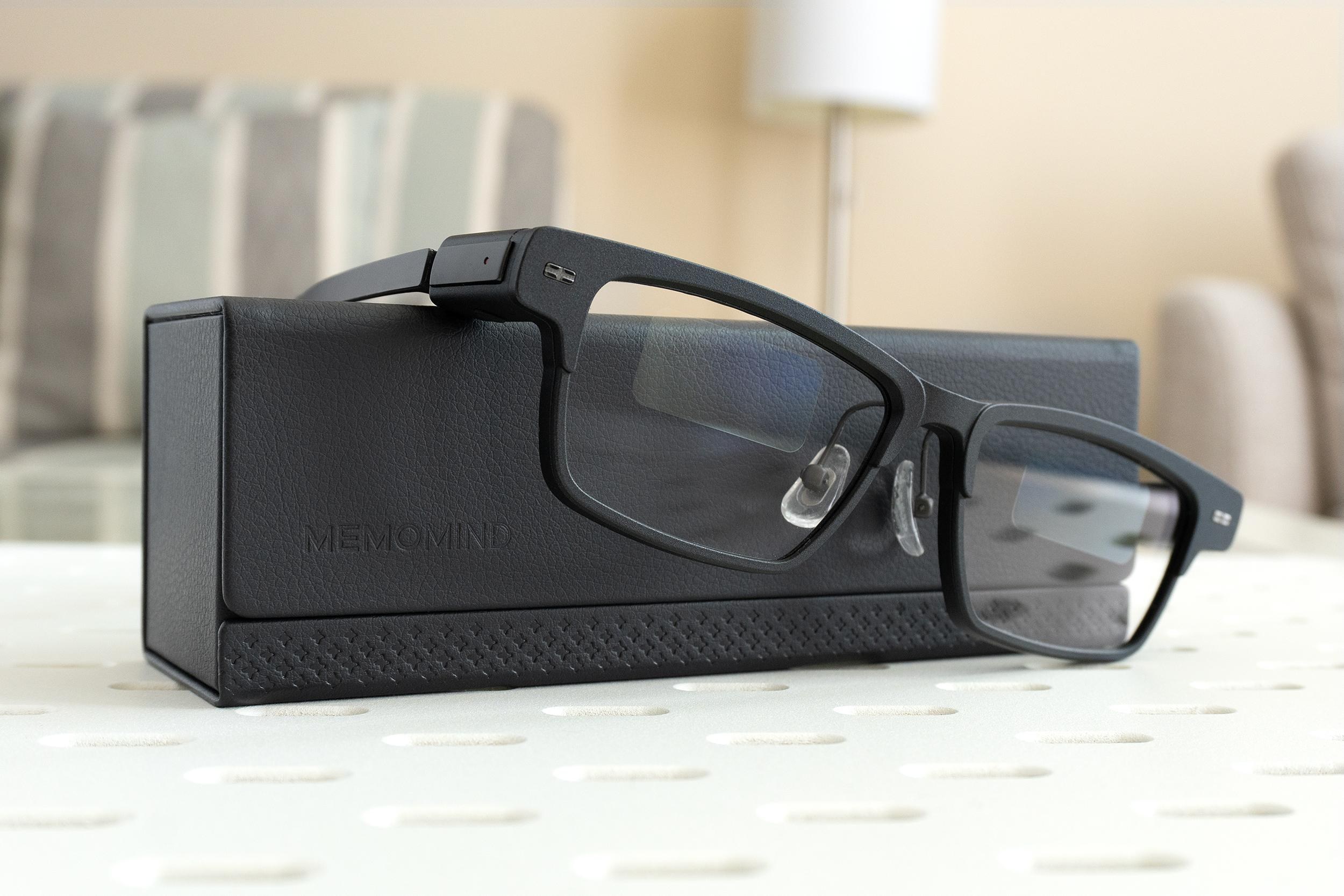
The MemoMind One stands out primarily due to its focus on user privacy, offering a camera-free solution that contrasts with products from tech giants like Meta and Snap, which often incorporate visual recording capabilities. Instead, Xgimi’s glasses utilize a pair of micro-LED projectors and waveguide prisms to deliver information directly to the user’s line of sight. This technology represents an infrastructure shift towards a more seamless integration of personal data displays.
Technological Features and Limitations
In terms of technological execution, the MemoMind One displays information via bright green screens reminiscent of old Apple II displays, a design choice that ensures visibility indoors but struggles in bright outdoor environments. Users can adjust the distance, position, and brightness of the display, yet these adjustments are constrained by the device’s dependence on external environments for optimal performance.
Weighing around 47 grams, these glasses include electronics such as Harman Kardon speakers and batteries for up to 16 hours of use. However, the position of the speakers, located behind the ears, leads to sound leakage, compromising the privacy of audio content, as others can hear music or phone calls easily.
Interaction and Dependency on Mobile Apps
An evident pattern with the MemoMind One is its dependency on mobile applications for functionality. Most interactions with the device require prior setup or navigation via an app, such as adjusting display settings or setting up notifications. This dependency highlights a broader trend where wearable technology remains tethered to smartphones, although offering a distinct interface experience.
The glasses’ interface features minimal interaction points, relying on a single button and voice commands to navigate basic functions. Customizable sections on the device provide condensed information such as news and notifications, yet lack the capacity for interaction beyond these brief displays.
Privacy and AI-powered Functionality
Xgimi emphasizes privacy with its camera-free design, but a feature called ‘Moments’ challenges this narrative. This feature continuously records ambient audio to generate daily summaries, although the accuracy of these summaries is debatable. Notably, this raises questions about data collection and the balance between user privacy and intelligent functionality, especially when a premium is charged for such features.
The glasses also feature voice-driven AI capabilities, allowing users to engage with an assistant for basic tasks. However, the interaction remains limited by the device’s processing capabilities and its reliance on external data sources.
Detected Pattern: Interface Dependency
MemoMind One exemplifies the growing trend of interface dependency in wearable technology. As devices become more capable of presenting personal data directly to users, they simultaneously demand increased support from supplementary devices like smartphones. This dependence suggests a complex relationship between autonomy and connectivity in smart devices.
Pattern detected: user interaction with technology shifts toward interface dependency.
User Experience and System-Level Implications
The user experience suggests a partial fulfilment of futuristic wearable promises, with practical utility marred by current technological limitations. The reliance on a mobile app for core functionality underscores the incomplete transition to full device autonomy, impacting seamless user interaction.
As a system, the MemoMind One highlights both the potential and challenges in integrating AI and wearable technologies. It serves as an indicator of future trends where interface-mediated experiences become the norm, though at present, these experiences are hindered by technological constraints and the need for better integration with existing infrastructures.
While the potential for a fully autonomous wearable interface remains on the horizon, the MemoMind One’s current iteration underscores the complex balance between interface dependency and user privacy. As development continues, the hope is for these devices to achieve greater independence while offering enhanced privacy protections.
Observation recorded.