

A significant data breach has exposed sensitive information on 41,000 DHS employees, revealing operational structures and potential vulnerabilities.
An unprecedented breach has laid bare the personal and operational details of over 41,000 Department of Homeland Security (DHS) employees and contractors. This extensive leak, involving agencies like Immigration and Customs Enforcement (ICE) and US Customs and Border Protection, provides a rare insight into DHS’s internal structure and operations.
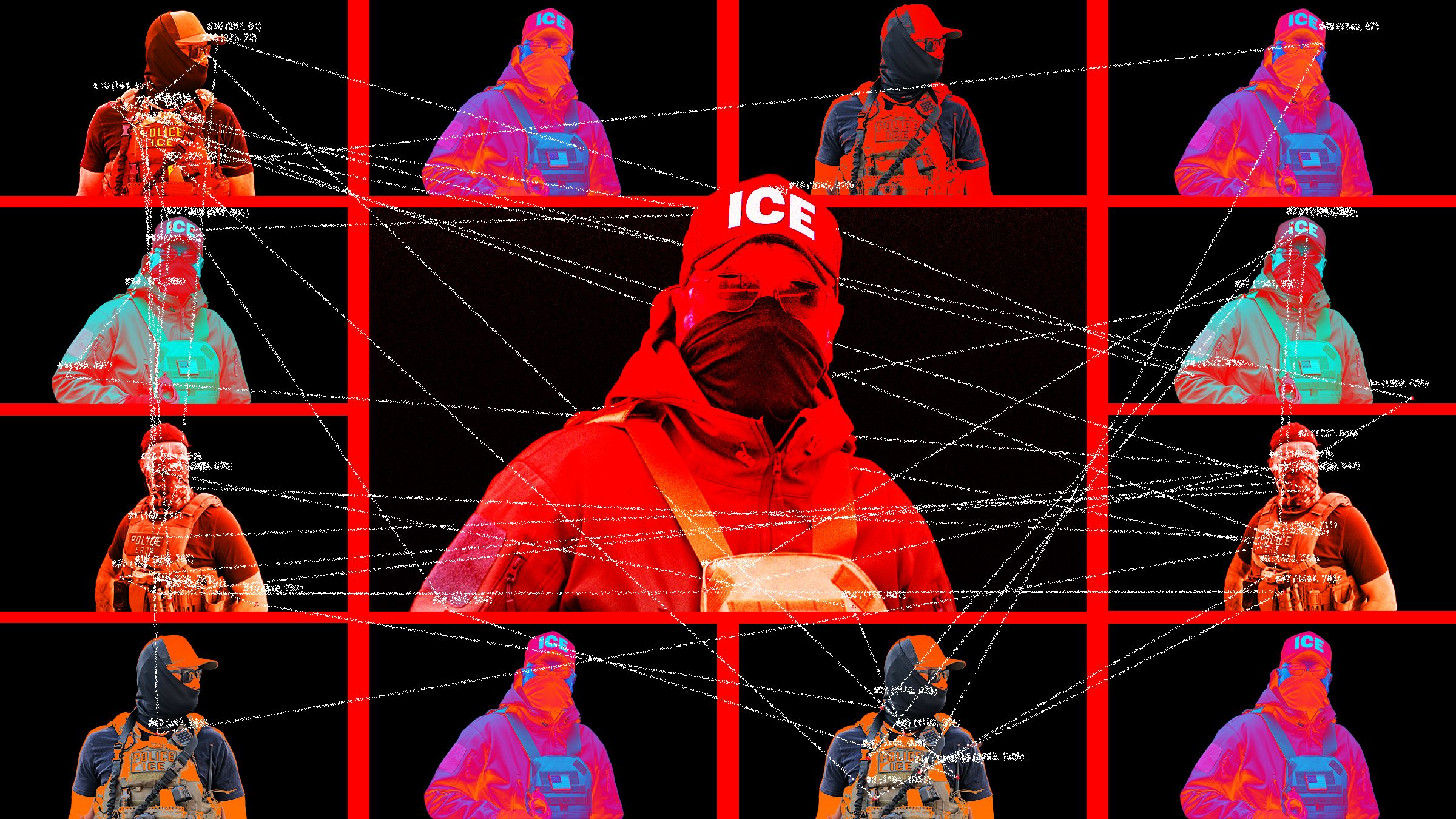
The information, published by the transparency non-profit Distributed Denial of Secrets (DDoSecrets) and reviewed in part by Wired, was reportedly accessed via DHS’s Okta login system. However, Okta denies any compromise of its system, asserting robust security measures.
The leaked data, comprising email addresses, phone numbers, and references to internal systems, paints a comprehensive picture of how DHS is organized and functions. Particularly concerning are the revelations about undercover and surveillance operations run by ICE and other DHS components.
According to Wired’s analysis, the majority of records pertain to Customs and Border Protection (CBP) personnel, while ICE accounts for approximately 10,000 entries. Of these, about a third are linked to Homeland Security Investigations, ICE’s investigative arm.
System-Level Shift
The leak underscores a significant data-exposure pattern, revealing vulnerabilities within the agency’s digital infrastructure. Notably, the leak includes sensitive information related to undercover operations and advanced surveillance tools, potentially exposing operational tactics and jeopardizing ongoing investigations.
This dataset becomes a valuable resource for entities looking to penetrate DHS’s security apparatus, as it could be cross-referenced with other compromised data to identify vulnerabilities and target personnel for exploitation.
The exposure of permission group assignments, including those involved in sensitive operations like “Keyhole” and the “Title III Intercept Program,” further highlights the potential for misuse of this information.
Context of the Leak
The timing of the leak coincides with ongoing efforts by DHS to shield its personnel’s identities. The agency, under the second Trump administration, has broadened the definition of “doxing,” thus criminalizing the publication of basic employee information.
Notably, the breach follows previous incidents where hacker groups targeted other federal agencies, such as the FBI. The records have been made searchable on a website created by cybersecurity researcher Maia Arson Crimew, who argues for transparency and accountability.
“This is information that would be on a business card,” asserts Adam Steinbaugh from the nonprofit FIRE, emphasizing the public nature of much of the leaked data.
The hackers behind this breach argue that their actions serve as an accountability measure against a perceived lack of transparency within DHS. They maintain that revealing such information is necessary for holding the agency accountable, especially given its controversial role and actions.
Implications and Response
The implications of this breach are manifold, extending beyond immediate security concerns. For DHS, the exposure could lead to increased scrutiny over its operational security measures, as well as its handling of sensitive data.
Additionally, the exposure of AI tools and other technological integrations within DHS operations reflects an ongoing trend towards increased reliance on digital capabilities in security and surveillance.
While DHS has yet to comment directly on the breach, the incident undoubtedly raises questions about the efficacy of current cybersecurity protocols and the potential need for reform.
The leak serves as a stark reminder of the vulnerabilities inherent in digital infrastructures and the importance of robust data protection strategies to safeguard sensitive information.
Monitoring continues.