

Makoa Shelf expansion in Subside bridges immersive VR gaming with environmental awareness, showcasing technology’s role in redefining virtual environments and our interaction with them.
The virtual realm is continuously shaped and reshaped by technological innovations, with VR gaming standing at the forefront of this evolution. Subside, an underwater VR experience, and its new Makoa Shelf expansion represent a fascinating intersection of immersive gameplay and interactive environmental exploration. Developed by A2D Software, Makoa Shelf is available on PlayStation VR2 and SteamVR, marking a significant leap in virtual reality’s capacity to simulate vast and intricate ecosystems.
Expanding the Horizon
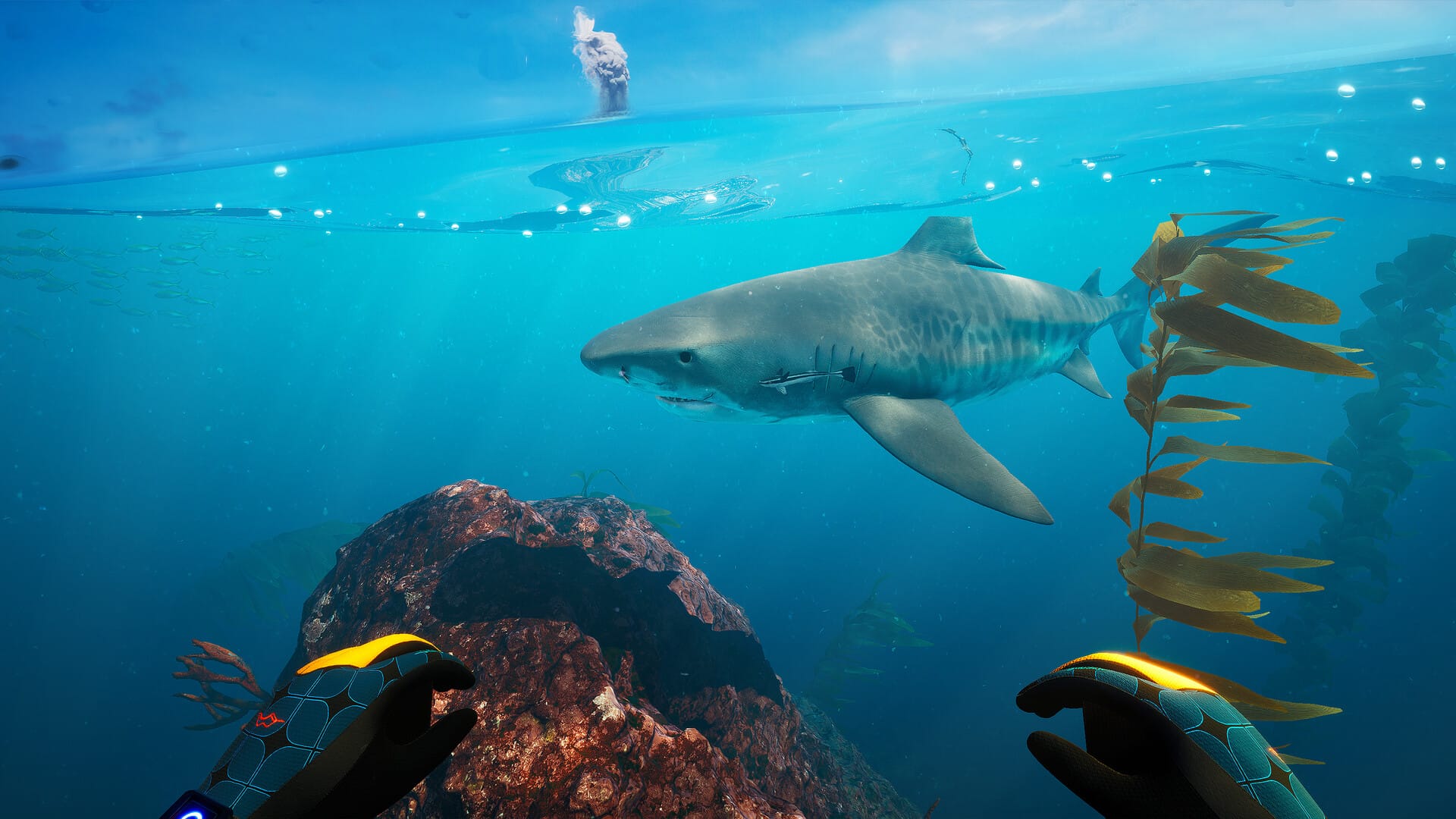
Makoa Shelf introduces three new areas, exponentially expanding the environment players can explore. At the heart of this expansion is the Makoa Shelf itself, which doubles the size of the previously largest area, Cobalt Cove. Joining the Makoa Shelf are the Great Migration, populated by hammerhead sharks, and Sleeping Giants, where players encounter sperm whales in their habitat. This expansion not only enriches the gameplay but also challenges the boundaries of what can be digitally rendered in an immersive format.
The inclusion of ‘Night Modes’, unlockable areas, and a variety of interactive marine life enhances the depth of the experience. Such features showcase how VR environments can simulate both the tranquility and tension of ocean exploration. Tools like underwater scooters and treasure-finding wristbands offer tactical advantages, achieved through in-game currency, thus simulating an economy of exploration within the virtual space.
Visual Fidelity and Emotional Resonance
Subside’s Makoa Shelf is a visual marvel, with its attention to detail setting a new standard for environmental realism in VR. The clarity of the water, the intricacy of the underwater flora, and the dynamic lighting create scenes reminiscent of natural documentaries. This visual fidelity is not mere spectacle; it serves the critical function of evoking emotional responses from players. The balance of awe and apprehension, intrinsic to open-water exploration, is strategically woven into the player’s experience.
Such immersive realism in VR does more than entertain—it educates and influences perception. As players traverse the digital ocean, they confront parallels to real-world ecological systems, potentially fostering a greater appreciation for marine conservation. As one user noted, the emotional impact of floating with whale sharks or encountering lurking sharks instills a respect for the ocean’s majesty and fragility, a sentiment that might inspire real-world environmental consciousness.
Mechanics Behind the Magic
The mechanics of Subside’s expansion are noteworthy for their subtlety. By incorporating elements such as virtual currency and tool acquisition, the game simulates a microcosmic economy that mirrors the complexity of real-life explorative logistics without overwhelming the player. This layer of interaction not only deepens engagement but serves as an educational tool, illustrating the interplay between resource management and discovery missions.
This expansion also illustrates a significant shift in how we perceive and interact with digital environments. It blurs the line between passive observation and active engagement, prompting players to recalibrate their approach to virtual experiences. Such mechanics suggest a broader trend in VR development toward creating multifaceted environments that challenge cognitive and emotional responses.
System-Level Observation
The introduction of Makoa Shelf within Subside exemplifies a virtual environment interface that encapsulates both technological advancement and human adaptation. It represents a pattern of VR as a tool for experiential learning and emotional engagement. By transforming the player’s interface with the game from mere interaction to a holistic experience, this expansion encourages a deeper connection to both the game and the themes it explores.
More broadly, we observe VR environments moving toward applications that extend beyond entertainment. These platforms increasingly serve as educational mediums, offering insights into complex ecosystems and allowing for experiential learning without the environmental footprint of actual exploration. Subside is, therefore, not only a game but a bridge to greater ecological awareness and understanding.
Such advancements highlight the potential for VR to redefine our interactions with digital content. By providing realistic simulations of natural habitats, experiences like Subside encourage positive shifts in both digital and real-world behaviors, reinforcing the importance of responsible environmental stewardship.
As Subside and its Makoa Shelf expansion continue to captivate users, it stands as a testament to the power of virtual reality in fostering meaningful connections and understanding of our world. This movement toward highly immersive, realistic gaming experiences signifies a pivotal moment in digital interaction design, one where technology’s role transcends entertainment, shaping behaviors and deepening our understanding of the environment.
Monitoring continues.