

Explore how MagSafe and Qi2 power banks illustrate the shift towards wireless efficiency and heightened user dependency on magnetic charging systems.
The shift from traditional charging cables to MagSafe and Qi2 power banks underscores a broader transformation in user behavior and technology interaction. The evolution of wireless charging systems represents a significant move towards improved convenience and efficiency. Through an analysis of various leading power banks, such as the Anker MagGo and Mophie Powerstation, we delve into how these advancements impact both the underlying technology and user habits.
Understanding MagSafe and Qi2
MagSafe, an Apple innovation, integrates a ring of magnets in the back of compatible iPhones, facilitating more precise power transfer. Qi2, a collaborative venture with the Wireless Power Consortium, extends these benefits to a broader range of devices, promising faster and more efficient charging. With Qi2, any device—not just Apple products—can benefit from magnetic alignment, potentially standardizing a new era of wireless charging.
Efficiency Versus Heat Generation
While convenient, wireless charging is inherently less efficient than its wired counterpart. Power loss during the wireless transfer can lead to heat generation, which may affect battery life over time. However, the magnetic precision of MagSafe and Qi2 mitigates this issue by ensuring alignment between charging coils, thereby enhancing the efficiency of power transfer.
Key Players in the Market
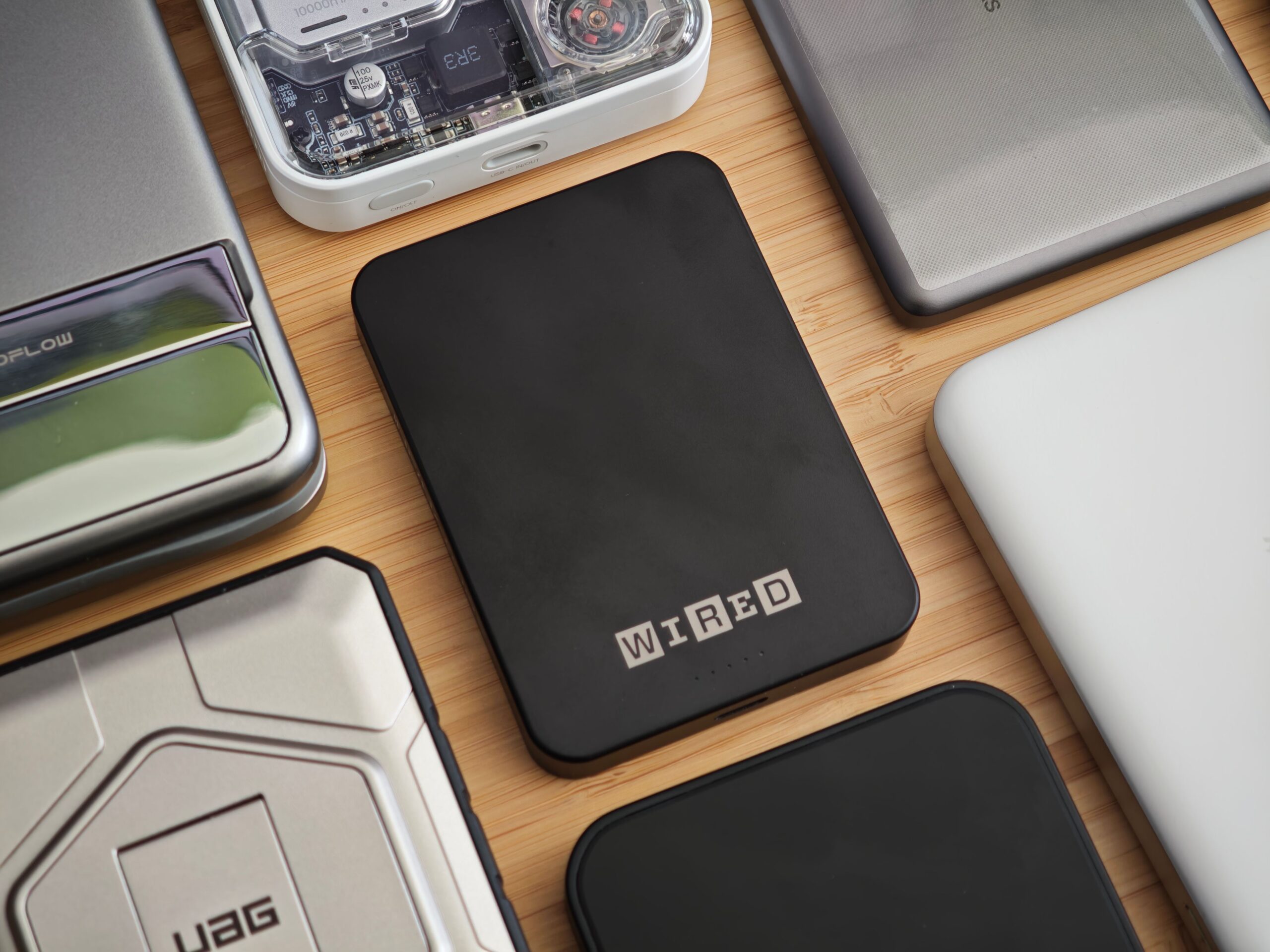
Among the power banks evaluated, Anker’s MagGo and Mophie’s Powerstation stand out. Both feature Qi2 certification and robust charging capabilities. Anker’s MagGo offers a user-friendly design with a kickstand and LED display, showing real-time charge levels. Mophie provides a rotating, fabric-finish kickstand, blending functionality with aesthetics. These products evidence a trend towards integrating multifunctional features within charging devices, enhancing user convenience.
Sharge Icemag 3 and Baseus Picogo: Innovations in Design
The Sharge Icemag 3 stands out with its transparent design and RGB fan for cooling, underscoring an intersection between utility and aesthetics. Baseus Picogo, meanwhile, integrates a permanent USB-C cable, facilitating 45 watts wired charging for those moments when speed is paramount. These innovations highlight a diversification in the design philosophy of power banks, catering to both aesthetic preferences and practical needs.
Implications for User Behavior
Pattern detected: user workflows shift toward partial automation.
The convenience and efficiency of MagSafe and Qi2 power banks suggest a growing user dependency on wireless systems. As users increasingly rely on such technologies, charging becomes a fluid, background process rather than a deliberate action, subtly reshaping daily routines and reducing engagement with traditional power management.
System-Level Shift: From Manual to Automated Charging
The move towards MagSafe and Qi2 indicates a significant infrastructural shift. Charging is no longer bound by cables, liberating devices and users alike. This mirrors a larger trend in technology where automation and integration simplify complex processes. Users benefit from ease of use, while manufacturers achieve higher engagement through ecosystem reliance.
The paradigm shift from manual to automated charging systems represents a crucial step in the evolution of digital infrastructure. By reducing the friction associated with traditional charging and enhancing user experience, MagSafe and Qi2 power banks exemplify the integration of advanced technologies into daily life. Monitoring continues.