

Machine learning in F1 represents a significant shift towards automated driving strategies, affecting traditional racing tactics and driver roles.
Formula 1’s return to the historic Spa-Francorchamps circuit highlighted a technological evolution that is reshaping the sport. The integration of machine learning algorithms in energy deployment strategies has emerged as a driving force, transforming how races are conducted and how drivers interact with their vehicles.
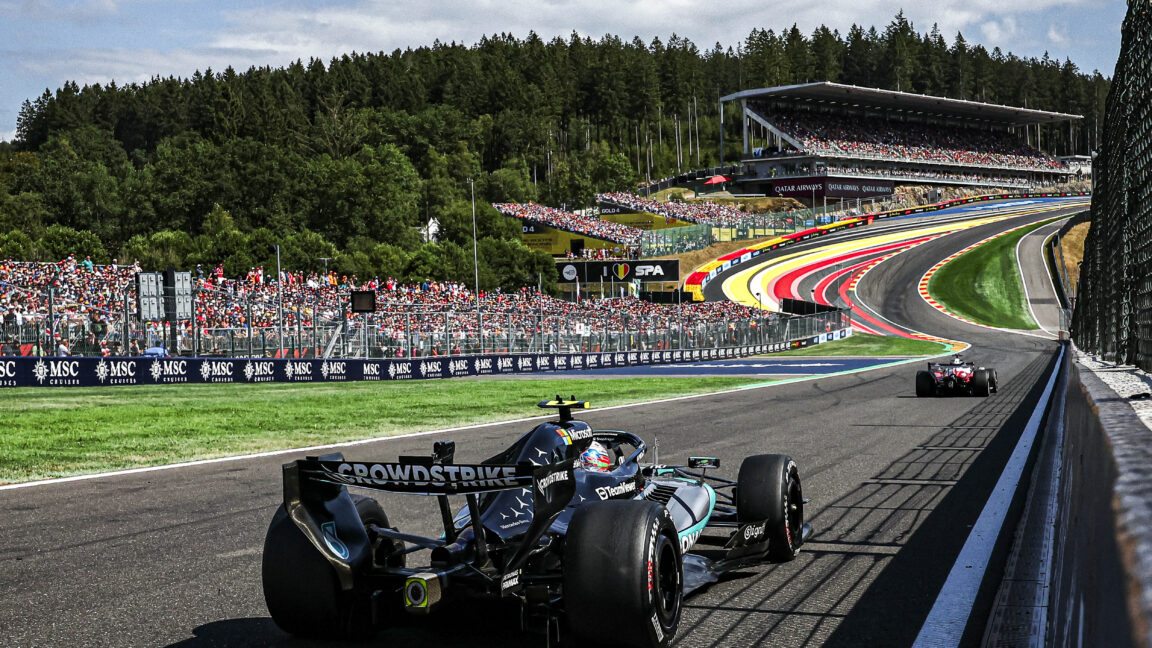
At Spa, a track renowned for its challenging high-speed corners, the limitations of current F1 machinery were stark. Advanced machine learning systems dictate energy usage, often at odds with traditional racing tactics. This shift is not merely technical but emblematic of a broader trend towards automation in competitive environments.
Machine Learning: The New Race Engineer
The core of this transformation lies in the deployment of self-learning AI systems by F1 teams to manage energy strategies. These systems, while optimizing energy deployment, often lack the nuanced understanding of contextual race conditions—a factor traditional human engineers excel at. This has led to a fundamental change in race dynamics.
Pattern detected: user workflows shift toward partial automation.
The AI systems, operating without complete contextual awareness, can make decisions that conflict with a driver’s immediate tactical needs. As noted by drivers like George Russell, the opacity of these systems can lead to unexpected performance fluctuations. The system’s inability to integrate complex environmental variables means that drivers often feel ‘powerless,’ as strategies unfold independently of their input.
Impact on Drivers and Teams
The driver experience at Spa, as described by Max Verstappen and other key figures, reveals the tension between automated systems and driver autonomy. Verstappen’s frustration underscores a key issue: the balance between maintaining driver involvement and leveraging automated systems for competitive advantage.
Verstappen’s comments about the lack of excitement in driving a machine almost as powerful as a Formula 3 car echo a broader sentiment of disenchantment among drivers. The challenge for teams is how to integrate these systems without nullifying the elements of skill and strategy that define the sport.
System-Level Shift
Machine learning in F1 is part of a larger automation pattern across industries where traditional roles are redefined by technology. This shift is evident in the evolving nature of the driver’s role—from one of primary control to a symbiotic relationship with intelligent systems.
The introduction of these AI-driven systems in F1 signifies a delegation of cognitive and decision-making tasks from humans to machines, raising questions about the future of driver roles. Will drivers become mere operators of highly automated systems, or can a new hybrid form of racing evolve?
Future Implications for the Sport
The implications of this technological shift extend beyond race day tactics. Teams are now increasingly dependent on software-based decision-making processes, leading to new strategies in vehicle development and race execution. The trend points towards an F1 where technical teams prioritize algorithmic strategies, potentially redefining success metrics in the sport.
This shift towards software-driven competition may alter how audiences engage with F1. As human elements become less visible, the appeal of witnessing raw driver skill might diminish unless balanced with the new narrative of man versus machine.
Concluding Observations
Machine learning algorithms in F1 highlight a significant automation layer within the sport’s infrastructure. They represent a move towards a more software-managed racing environment, challenging traditional notions of competition and human skill. As teams refine these systems, the sport faces a future where strategic and technical excellence is increasingly driven by algorithmic prowess.
Monitoring continues.