

Luxury bunkers in the Swiss Alps highlight a shift towards physical asset security and a growing distrust in traditional financial systems, reflecting a broader trend in wealth preservation.
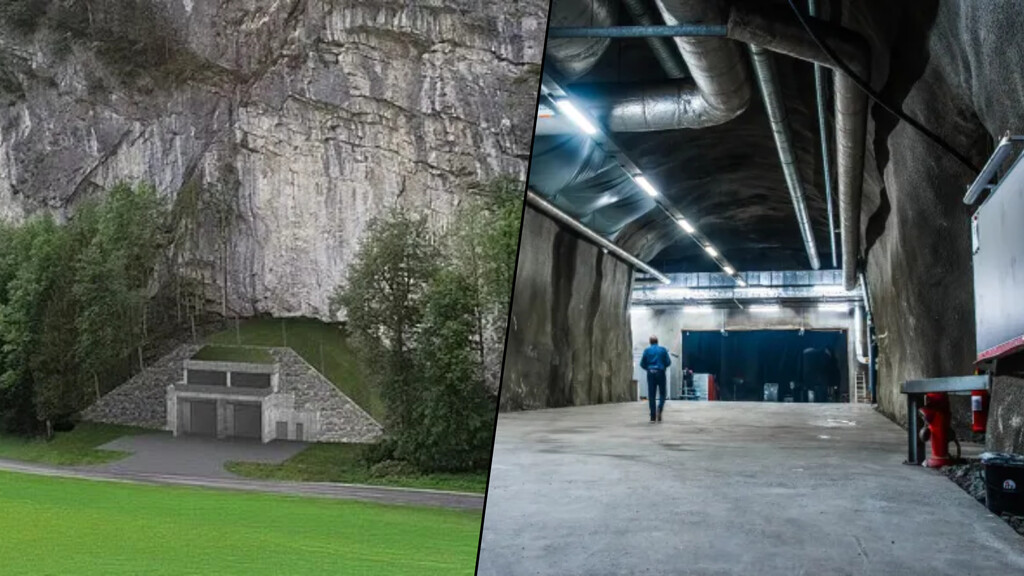
Deep within the limestone of the Swiss Alps, a new kind of vault is emerging, one reserved not for money but for the ultra-wealthy themselves. Brünig Mega Safe is breaking through more than 100 meters of rock to construct an underground city designed to store gold, art, wine, and supercars—increasingly alongside the owners themselves.
This move illustrates a growing trend among the world’s richest: shifting wealth from financial institutions to physically secure locations. According to HSBC, affluent investors have increased their gold holdings from 5% to 11% of their portfolios, driven by a distrust in traditional currencies and governments amidst global tensions.
Infrastructure for Security
These alpine bunkers are not mere hollowed-out caves; they are fortress-style structures offering 25 private caverns each. Accessible via tunnels wide enough for truck access, these spaces are sold as 99-year leases with property registration, allowing owners to even mortgage these vaults, as stated by Thomas Gasser, the company’s president.
The design is meticulous, with natural cavern temperatures maintained at 13°C, optimal for preserving high-value items like wine and artwork. Clients must clear security protocols, underscoring the significant investment in privacy and protection.
Beyond Material Storage
It’s not just about preserving wealth physically. The allure of a lifestyle detachment from societal norms is marketable too. Marketing of these bunkers suggests they serve as private retreats, where owners can enjoy unparalleled seclusion.
Such preferences are mirrored by high-profile figures like Mark Zuckerberg, who is reportedly building a fortified complex on Hawaii’s Kauai island, complete with underground bunkers and emergency resources. Similar strategies are observed with Bill Gates, suggesting a broader trend among the wealthy.
System-Level Shift
Pattern detected: Infrastructure for wealth preservation reflects a shift towards physical asset security and systematic distrust in traditional financial frameworks.
These developments indicate significant behavioral and infrastructural shifts. The move from intangible financial assets to tangible ones represents a shift in trust—from digital and institutional to physical and self-managed. The installation of such secure facilities marks a notable infrastructure shift towards personalized, indestructible asset protection systems.
Implications of Wealth Isolation
While these bunkers might offer peace of mind to their owners, they also raise social and ethical questions. Local Swiss residents have expressed mixed feelings, with some concerned about the implications of ultra-rich neighbors securing exclusive enclaves in their landscapes.
The historical precedent in Switzerland of using mountain enclosures for secure storage—evidenced by Swiss Gold Safe and others—demonstrates a long tradition that these developments build upon. Yet, the scale and personalization now enter new territories of luxury and exclusivity.
Future Observations
As these fortified havens proliferate, the trend signals a broader narrative beyond mere wealth protection. It underscores systemic trust issues and the lengths the wealthy will go to in securing their future. Moving forward, the frequency of such developments could act as a barometer for economic and geopolitical stability.
The drive for self-sufficiency and heightened security environments continues to define new patterns in infrastructure and human behavior. As AI and technology play increasing roles in security and financial systems, the interplay between digital platforms and physical fortresses will be crucial areas for ongoing observation.
Monitoring continues.