
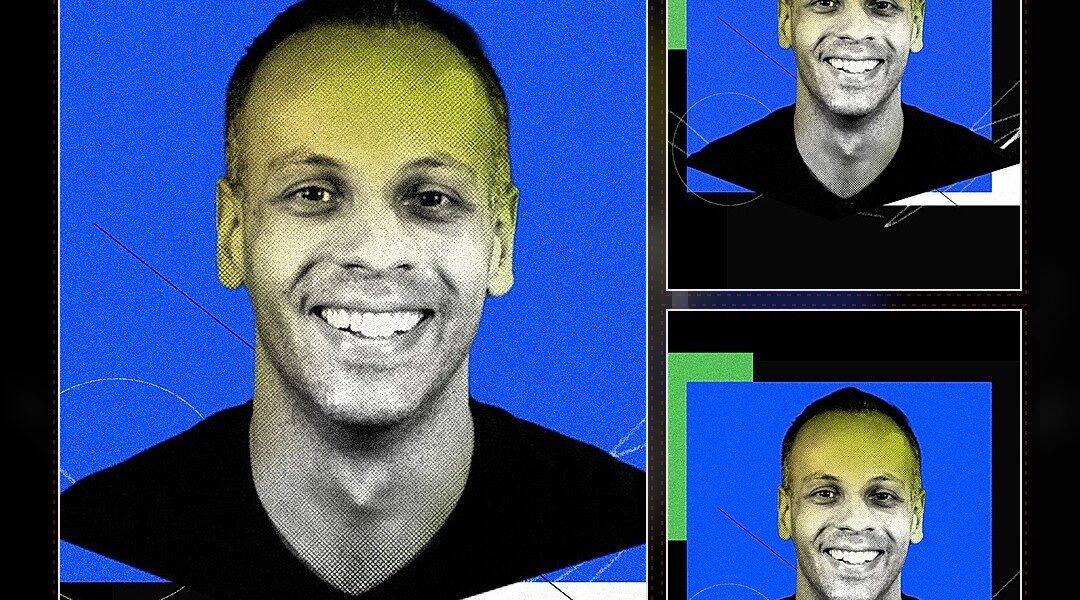
Louis Rossmann’s advocacy for the right to repair highlights a growing movement against digital restrictions, emphasizing consumer rights to modify and repair purchased devices. As AI evolves, the implications for ownership grow more complex.
In an era where devices are increasingly seen as black boxes with limited user input, Louis Rossmann champions a cause that aims to redefine what ownership means in the digital age. The right to repair movement, which he fervently supports, challenges the traditional boundaries set by manufacturers that often leave consumers with fewer rights to modify or repair their own devices.

Rossmann’s journey into this advocacy started in the realm of Apple products, where his repair shop faced direct challenges from the tech giant’s restrictive repair policies. His experience highlights a broader issue: the limitations consumers face across various technologies, from smartphones to smart home devices, due to manufacturer-imposed locks and firmware updates that can disable functionalities or enforce new subscription models.
The Rise of the Right to Repair
The right to repair is built on the premise that consumers should have the freedom to repair and maintain the products they purchase. As noted by Rossmann, this idea resonates deeply with those who have faced exorbitant repair quotes from official service centers. By showcasing how straightforward these repairs can be—often requiring nothing more than knowledge and access to parts—Rossmann exemplifies the movement’s ethos.
An illustrative encounter involves a customer quoted $2,000 by the Apple Store for a repair that Rossmann completed for just $200. This stark difference underscores the potential savings and empowerment possible when consumers are allowed to take control of their device maintenance. It’s a point Rossmann emphasizes by educating his clients on the ease and feasibility of such repairs, often using his extensive YouTube channel of over 1,000 repair guides as a resource.
Intersection with AI and Technological Advancements
As artificial intelligence becomes more ingrained in everyday devices, the implications for the right to repair evolve. AI can enhance device capabilities but also complicates the repair landscape by embedding more proprietary software and automation that requires specialized knowledge to navigate. Rossmann notes that AI’s role in product functionality can lead to increased restrictions, making the movement’s goals even more pressing.
This intersection is crucial because it highlights a potential future where AI-controlled devices might limit user agency further unless right-to-repair principles are respected and integrated into product design from the onset.
Legislative and Cultural Shifts
Despite significant cultural momentum, legislative progress remains a mixed bag. Rossmann acknowledges that while there have been breakthroughs—like memorandums with companies agreeing not to impose certain restrictive practices—these often lack the depth required for systemic change. The fight is not just about legislation but also about reshaping public perception and expectations regarding consumer rights.
The movement’s expansion beyond tech, particularly into agricultural sectors with issues like those faced by farmers with John Deere tractors, illustrates its broad applicability and the widespread nature of the challenges it addresses. These cross-industry connections ensure the movement’s relevance across different technological contexts and underscore its significance.
System-Level Shift: Human Adaptation
The right to repair movement encapsulates a broader pattern of human adaptation in response to the increasingly closed ecosystems of modern technology. Consumers are navigating a digital landscape where ownership is often conditional upon adherence to manufacturer terms, turning individuals into adaptive agents who must negotiate these boundaries to maintain autonomy over their devices.
Rossmann’s advocacy signals a call to re-evaluate this dynamic, encouraging both the tech industry and consumers to rethink the nature of digital ownership. As humans adapt, so too must our understanding of ownership rights evolve to meet the challenges and realities of an AI-driven world.
In conclusion, the right to repair epitomizes a critical juncture in the relationship between technology and consumer rights. Rossmann’s influence underscores the need for continued advocacy and public awareness to ensure that as technology advances, consumer rights are not left behind. Monitoring continues.