

Lee Clow, a creative force behind Apple’s legendary ads, built a legacy in advertising alongside Steve Jobs without formal recognition from Apple.
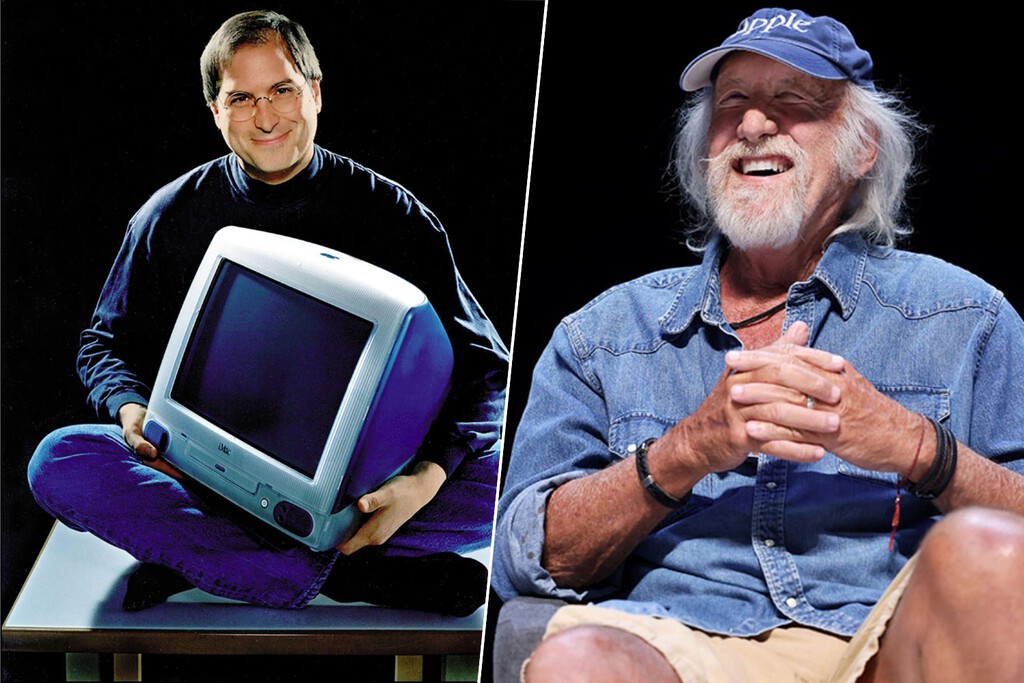
Lee Clow, a name that may not immediately resonate with the general public, was the creative force behind some of Apple’s most iconic advertisements. Despite his pivotal role in forging the visual language and brand identity of Apple, Clow’s contributions largely went unrecognized by the company itself. His collaborations with Steve Jobs are legendary in the advertising world.
The ‘1984’ Apple commercial is often heralded as a revolutionary piece of advertising. Directed by Ridley Scott, this ad introduced the Apple Macintosh and portrayed IBM as a dystopian ‘Big Brother’. Behind this groundbreaking work was none other than Lee Clow, who channeled Jobs’ vision into a narrative that challenged conventions and captivated audiences. Released during the Super Bowl, it set a new standard for how ads could convey a message beyond mere product specifications.
Clow’s partnership with Jobs wasn’t just professional; it was personal. The connection they built was based on a shared belief in the power of brand storytelling. As the head of the creative division at TBWA, Lee Clow crafted campaigns that were not merely advertisements but cultural conversations. His work on the ‘Think Different’ campaign further solidified Apple’s image as a brand not just of products, but of ideas.
Crafting Brand Experiences
Lee Clow’s philosophy on branding was holistic. He believed every touchpoint with a consumer was a form of communication, and Apple had to excel in each interaction. From packaging to retail environments, Clow understood that the product is only part of the puzzle; the entire experience had to reflect the ethos of innovation and simplicity that Apple stood for.
His other notable campaigns, such as Adidas’ ‘Impossible is Nothing’, highlight his ability to distill a brand’s core ideology into an accessible narrative. This wasn’t just advertisement; it was cultural storytelling that resonated deeply with audiences worldwide.
System-Level Shift: Workflow Optimization
Clow’s approach to advertising can be seen as an example of workflow optimization on a conceptual level. By aligning brand messaging with consumer values, he compressed and streamlined the way brands communicated their identity. In the case of Apple, this translated into a consistent, coherent narrative that simplified complex technological concepts into a human-centered experience.
Through Clow’s campaigns, Apple didn’t just sell products—they sold an experience, an ideology. This effectively optimized the workflow of consumer engagement, reducing friction by creating a seamless identity that consumers could easily relate to and engage with.
The Impact Beyond Apple
Although Apple is the most notable example of Clow’s work, his influence extends far beyond. Campaigns like the Energizer Bunny and Taco Bell’s vibrant advertising strategies have left an indelible mark on the world of marketing. Clow’s contribution to the advertising industry is undeniable, revolutionizing how brands approach consumer interaction.
Clow’s legacy in the advertising space exemplifies the integration of creative vision with strategic marketing. His ability to see beyond the immediate requirements of advertising and understand the larger narrative helped forge not just brand identities but cultural icons.
In retrospect, Lee Clow’s work with Apple exemplifies how well-optimized creative processes can redefine brand communication, merging innovation with narrative in ways that permanently alter both consumer expectation and experience.
Observation recorded.