

Kyber, an infrastructure layer for remote device control, represents a shift towards programmable environments and human-machine interaction, leveraging minimal latency for real-time applications.
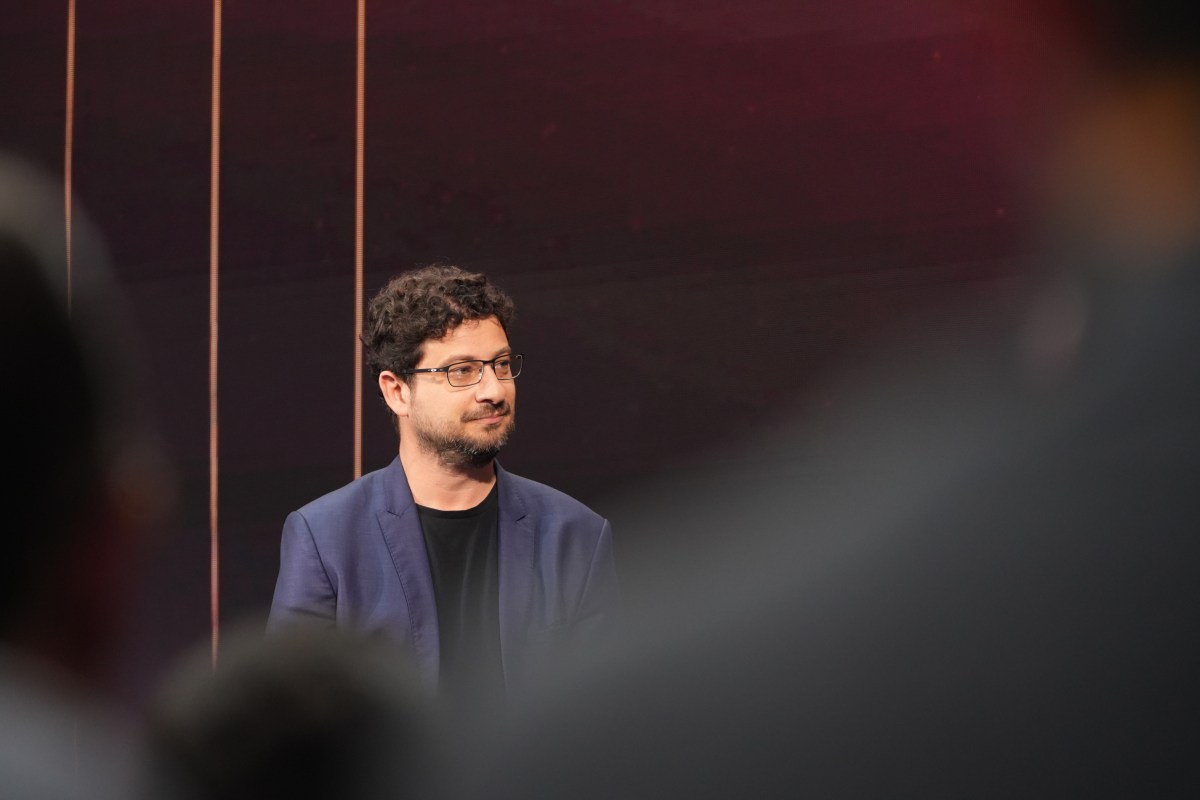
Jean-Baptiste Kempf, known for making VLC Media Player a ubiquitous tool, is now channeling his technical prowess into the real-time control of robots through his new venture, Kyber. As robots and drones become increasingly commonplace, Kyber’s infrastructure layer is poised to influence how we interact with autonomous systems. It synchronizes video, audio, sensor data, and control inputs with minimal latency, a capability critical in the realm of physical AI.
From Media to Machines: The Scaling of Real-Time Control
The idea behind Kyber draws a parallel between the smooth experience of VLC Media Player and the need for seamless machine control. Just as VLC efficiently manages media playback, Kyber aims to eliminate lag in controlling devices remotely, making every millisecond count. This transition from media to machines signifies a larger pattern: the optimization and automation of real-time control systems through software.
Infrastructure Layer: Real-Time Synchronization
Kyber’s infrastructure is not confined to AI alone. The platform is designed for scenarios where the operator is distant from the computing hardware, which is separated from the action itself. This concept is essential in an environment where remote interaction is increasingly the norm. The synchronization of various data streams ensures that control happens in real-time, crucial for sectors such as defense, telecommunications, and robotics.
Commercial Applications and Strategic Deployment
Currently, Kyber is in commercial deployment across industries that range from defense to robotics. Its open-source core attracts a broad user base, while the enterprise version provides tailored solutions. The company strategically deploys Forward-Deployed Engineers (FDEs) to handle custom implementations, reflecting a service model similar to that of Palantir and other tech firms.
Signal Assessment: A Pattern of Infrastructure Shift
The real impact of Kyber is its ability to manage vast networks of devices—potentially millions—without the need for physical interactions such as software updates. This represents a significant shift towards infrastructure that is inherently programmable and adaptable, shifting the paradigm from manual interventions to automated oversight.
Remote IT and Beyond: Addressing Unsolved Challenges
One of the less glamorous yet crucial applications of Kyber is in remote IT access. Here, the startup challenges established solutions like Citrix, aiming to offer universally accessible control solutions. This ambition highlights a broader market trend towards reducing dependency on bespoke, closed systems by providing open-source alternatives that scale.
Implications for Human-Machine Interaction
As the number of autonomous systems grows, human interaction with machines is evolving. The reliance on real-time control technologies like Kyber indicates a shift towards environments where human input is increasingly mediated by software interfaces. This marks a broader trend in human-machine interaction, emphasizing the need for efficient, scalable systems capable of supporting vast networks of independent devices.
Kyber’s development and adoption underscore a crucial infrastructural evolution: from manual, individual-level operations to large-scale, programmable environments. This transition not only optimizes current workflows but also redefines future interactions with autonomous systems. Monitoring continues.