

The July 2026 VR game releases illustrate a shift in digital gaming interaction, showcasing advancements across Quest, PS VR2, and PC VR platforms. This marks a significant pattern in virtual reality adoption.
The release of new VR games in July 2026 signals a substantial shift in digital interaction paradigms. With platforms like Quest, PS VR2, and PC VR leading the charge, these developments highlight a broader trend in how users engage with immersive environments.
Enhanced Gameplay Experiences
This month’s lineup includes significant titles such as Enigmo and Fixer Undercover, which further accentuate the trend of complex, heavily interactive environments. Enigmo, known for its intricate puzzle mechanics, transforms the mobile gaming experience into a spatial VR challenge, facilitating new forms of cognitive engagement.
Meanwhile, Fixer Undercover exemplifies the hybridization of traditional and VR gameplay by combining flatscreen and VR interfaces, thereby promoting a dual engagement model. The game’s enhanced graphics and interaction fidelity on PC VR highlight the ongoing evolution of visual immersion.
Integration of Tactical Elements
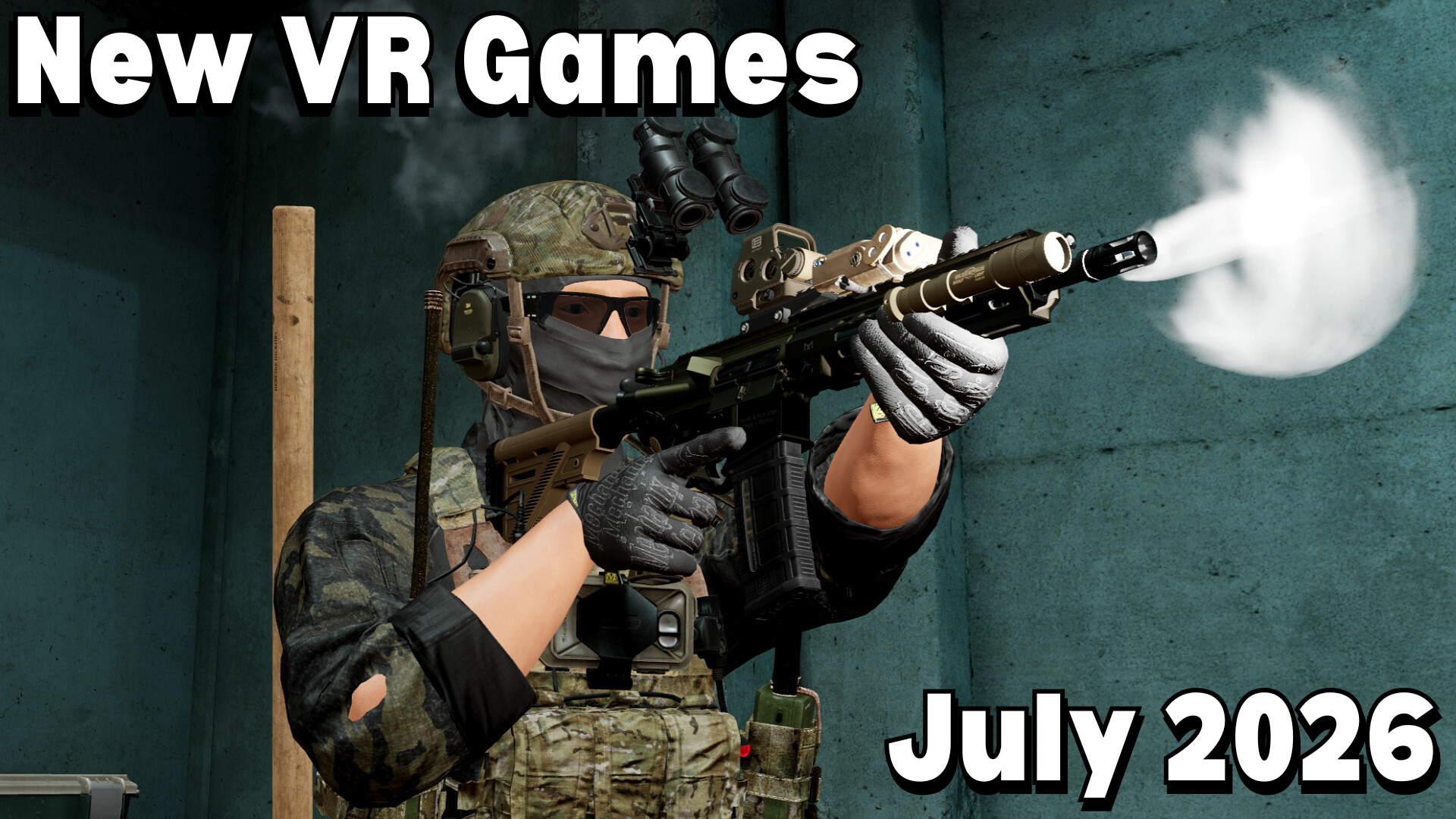
Geronimo, launching on July 10 for PC VR, represents a notable integration of tactical gameplay elements within the VR sphere. Drawing inspiration from games such as Ready or Not and Insurgency Sandstorm, it reinforces the shift toward VR environments that demand strategic thinking and rapid response.
Pattern detected: user workflows shift toward partial automation.
Cross-Platform Engagement
Roboquest VR, arriving on Quest 3, illustrates the cross-platform engagement strategy with its simultaneous release across different VR systems. This strategic release underlines a growing expectation for seamless user experiences regardless of the device, reflecting broader consumer behavior adaptations.
Expansion of User-Generated Content
The July 30 release of Hyperstacks on Steam highlights the push towards user-generated content. By empowering players to create levels, the game leverages collective intelligence, further blurring the lines between consumer and creator. This approach not only signifies a shift in content production but enhances replayability, a key factor for player retention.
System-Level Shift
These developments within the VR game ecosystem point to a larger system-level shift in digital infrastructure. The reliance on user-generated content and cross-platform compatibility underscores a pattern of increased software-mediated environments. Such environments reduce manual input, offering adaptive experiences that align with user preferences.
The July 2026 VR game releases illustrate the evolving landscape of digital interaction, driven by technological advancements and changing user expectations. As VR platforms continue to diversify and innovate, the observed patterns indicate a sustained trajectory toward more integrated and interactive digital experiences.
Monitoring continues.