

Jensen Huang’s brief resignation as Nvidia CEO sparked intense scrutiny and political intervention, leading to his swift reinstatement. The situation highlights complex dynamics between technology, governance, and corporate decision-making.
In a dramatic turn of events, Nvidia’s co-founder Jensen Huang was reinstated as CEO just days after his resignation, a decision prompted by intense speculation and political pressure. Huang’s brief exit from Nvidia, a company pivotal in the AI sector, was met with widespread reactions that underscore the intricate entanglement of technology, governance, and corporate leadership.
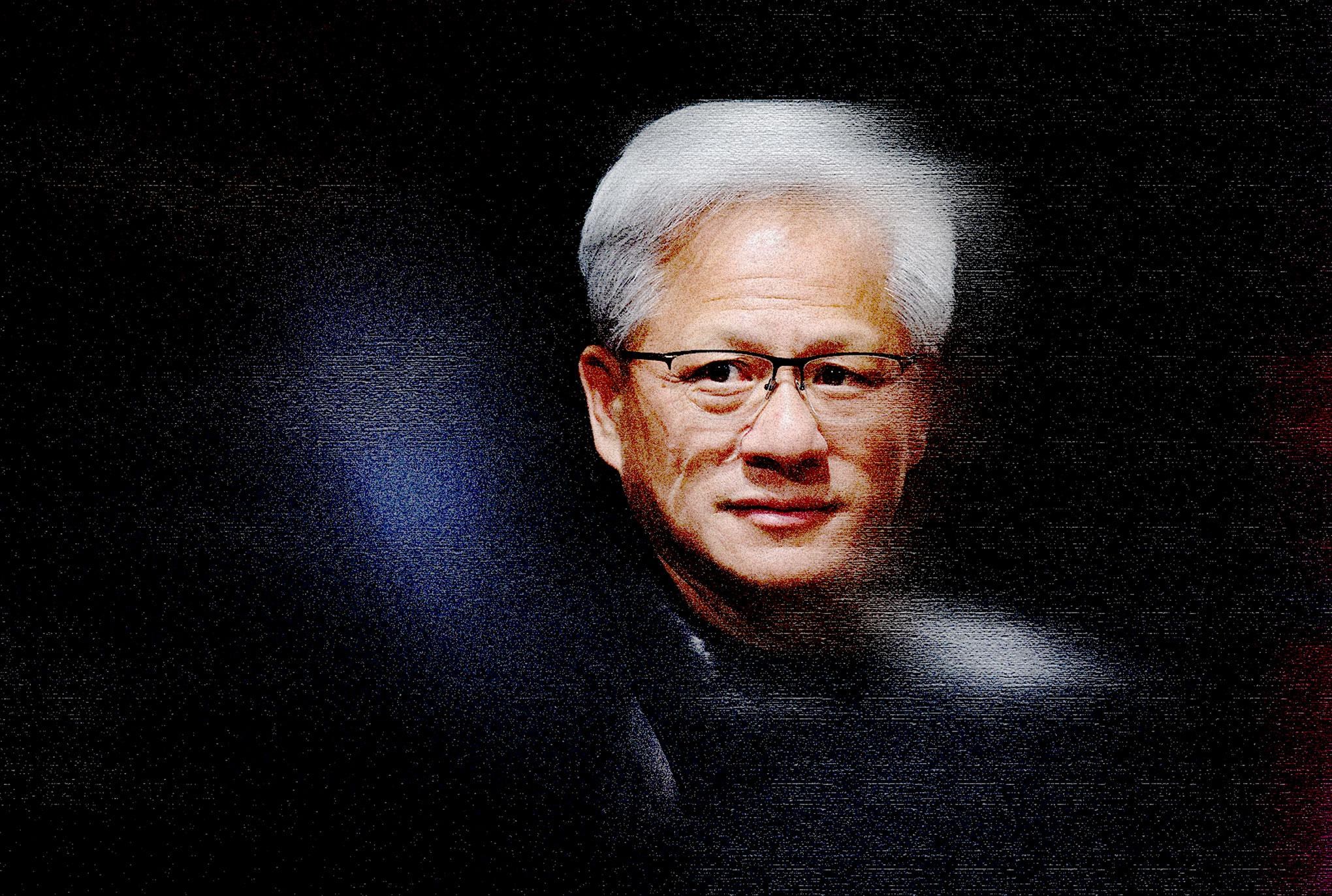
Initial Resignation: A Complex Web
Huang’s departure on November 12th stemmed from personal and professional controversies, primarily revolving around allegations of an extramarital affair and espionage concerns. Reports suggested a close connection with Alice Huang, an executive allegedly passing intelligence to China, further complicating the landscape. The board initially accepted Huang’s resignation, a move that seemed definitive amidst these allegations.
Political Influence and Tech Community Support
Despite the board’s initial stance, support for Huang quickly gathered momentum from prominent figures within the tech industry and unexpectedly, from former President Donald Trump. High-profile advocates like Elon Musk and Sam Altman publicly questioned Huang’s resignation, arguing the substantial impact on Nvidia and the broader AI realm.
Trump’s intervention was notably decisive. His lobbying efforts, supported by input from the Vice President and assurances from his administration regarding national security concerns, eventually convinced Nvidia’s board to reappoint Huang. This political maneuvering reflects the substantial influence of governance figures in corporate resolutions, particularly in the AI industry where the stakes are high.
Impact on Nvidia and Shareholder Reactions
Huang’s reinstatement catalyzed a positive shift in Nvidia’s stock, illustrating market confidence in his leadership amidst speculative turbulence. However, this reversal has not entirely quelled the uncertainty surrounding Nvidia’s operational strategies and ethical standing. The board’s decision-making process, influenced heavily by external political entities, prompts contemplation about corporate independence and accountability.
Detected Pattern: Corporate Governance and External Influence
The swift reinstatement of Jensen Huang marks a distinct pattern in corporate governance, where external political influences can significantly alter board decisions. This situation exemplifies a unique fusion of AI sector dynamics with political intervention, affecting decision-making hierarchies within major tech firms.
Nvidia now faces the dual challenge of maintaining its leadership stability while addressing ongoing investigations. These include both the internal probe into compliance with export controls and scrutiny by the Securities and Exchange Commission regarding accounting practices.
Looking Ahead: Potential Consequences and Regulatory Scrutiny
While Huang’s return might stabilize Nvidia in the short term, the longer-term implications of political entanglement in corporate governance remain a subject for analysis. The involvement of high-level government figures in boardroom dynamics raises questions about the autonomy of corporate decisions within the rapidly growing AI industry.
Future regulatory scrutiny from entities like the Justice Department and open inquiries led by Senate Democrats could redefine corporate governance standards in tech. Huang’s reinstatement, although advantageous for Nvidia’s stock and morale, may mark the beginning of a profound regulatory renaissance that holds significant implications for the integration of AI within global economies.
Monitoring continues.