
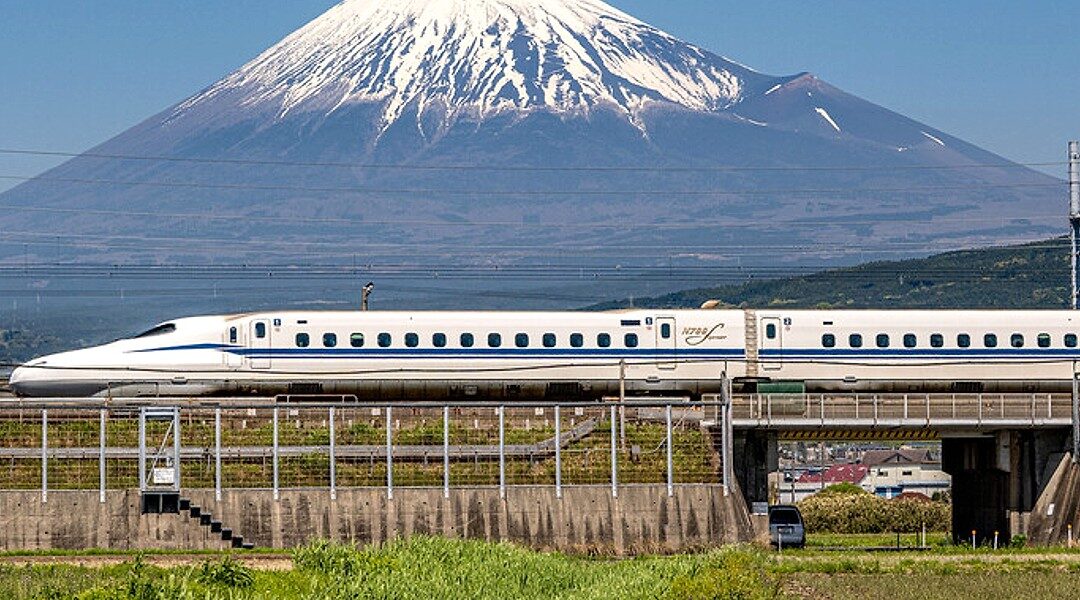
Japan transforms retired Shinkansen trains’ aluminum into building windows, showcasing an innovative recycling initiative with significant environmental benefits.
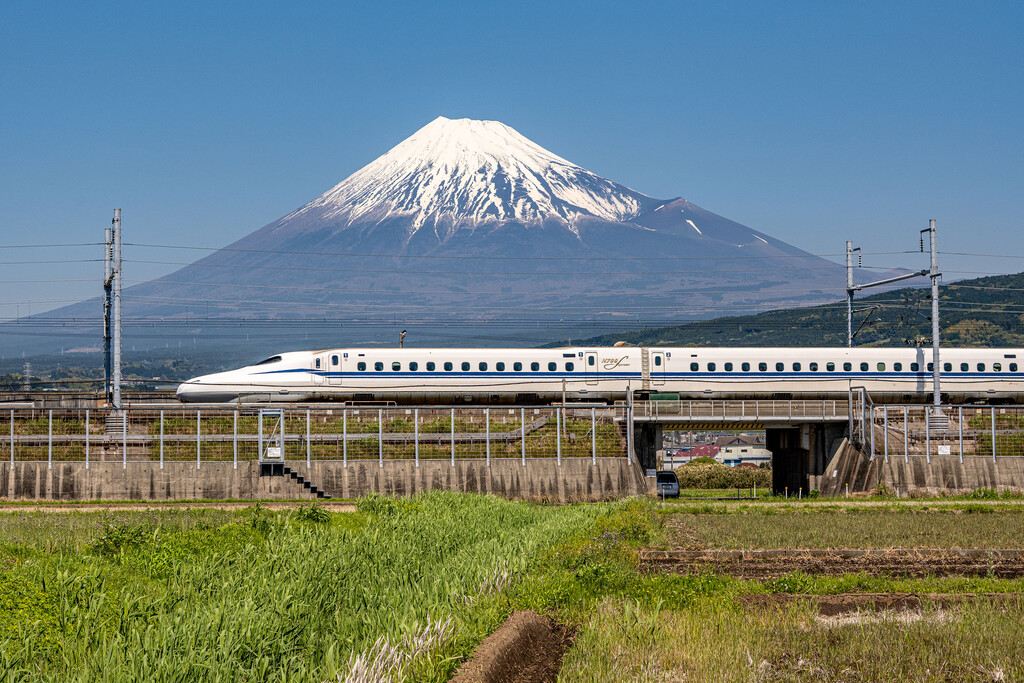
Japan’s Shinkansen trains, long admired for their speed and precision, have now embarked on a new journey—from the tracks to high-rise buildings. In a groundbreaking initiative, JR Central, in collaboration with JR Tokai Corporation and construction materials manufacturer LIXIL, is repurposing the aluminum from these decommissioned trains for use in building windows.
The Transformation Process
This recycling feat is far from simple. The retired trains contain aluminum alloys from the 5000, 6000, and 7000 series, each with unique properties. A study by the Japanese Society of Mechanical Engineers highlighted the complexities of mixing these materials, which can complicate their reuse. However, precise separation at the dismantling stage, as adopted by JR Central, allows these alloys to be transformed into new components, ensuring optimal quality.
LIXIL, with decades of experience in metal recycling, converts the reclaimed aluminum into its PremiAL product line. Their process involves smelting and purifying the metal, which is then extruded and thermally treated to achieve the desired strength and shape.
Environmental Impact
The environmental benefits of this initiative are substantial. Producing new aluminum is energy-intensive, while recycling can cut energy use by up to 95%, according to the International Aluminium Institute. Furthermore, LIXIL reports that their standard PremiAL profiles, using railway-sourced aluminum, generate roughly 50% less CO2 compared to profiles made from primary aluminum.
Applications and Future Plans
The first project to feature this innovative aluminum application is Proud Meito Issha Garden in Nagoya, a residential development of 46 units. It’s the latest example of how infrastructure is being reimagined to contribute to a circular economy. Starting December 15, 2026, LIXIL will accept special orders for their recycled aluminum profiles, initially within the Tokai region.
JR Central is not stopping at window frames. They have previously explored the use of recycled aluminum in various products, including baseball bats and electric guitars, showcasing the metal’s versatility. Future endeavors may include assessing recycling potential for other materials from the Shinkansen fleet.
System-Level Shift: Resource Optimization
This initiative is a quintessential example of resource optimization—a key pattern in sustainable development. By reclaiming and reusing materials from retired infrastructure, Japan not only conserves natural resources but also reduces waste and energy consumption. It exemplifies a shift towards more efficient systems and processes that capitalize on existing assets, reflecting broader trends in sustainability and automation.
By integrating recycled materials into new applications, these efforts highlight the innovative potential of turning what was once considered waste into essential building materials. The Japanese railway sector is thus setting a precedent in resource management, one that other industries might follow.
In sum, the recycling of aluminum from Japan’s bullet trains is not just an exercise in sustainability but a demonstration of how industries can adapt and innovate. This resourceful approach to recycling could very well set a global benchmark for similar efforts in other sectors.
- 2026-11-27 — T20:00:16Z Javier Marquez Editor – Tech Javier Marquez Editor – Tech L
- 2026-12-15 — el fabricante aceptará pedidos especiales para suministrar
Observation recorded.