
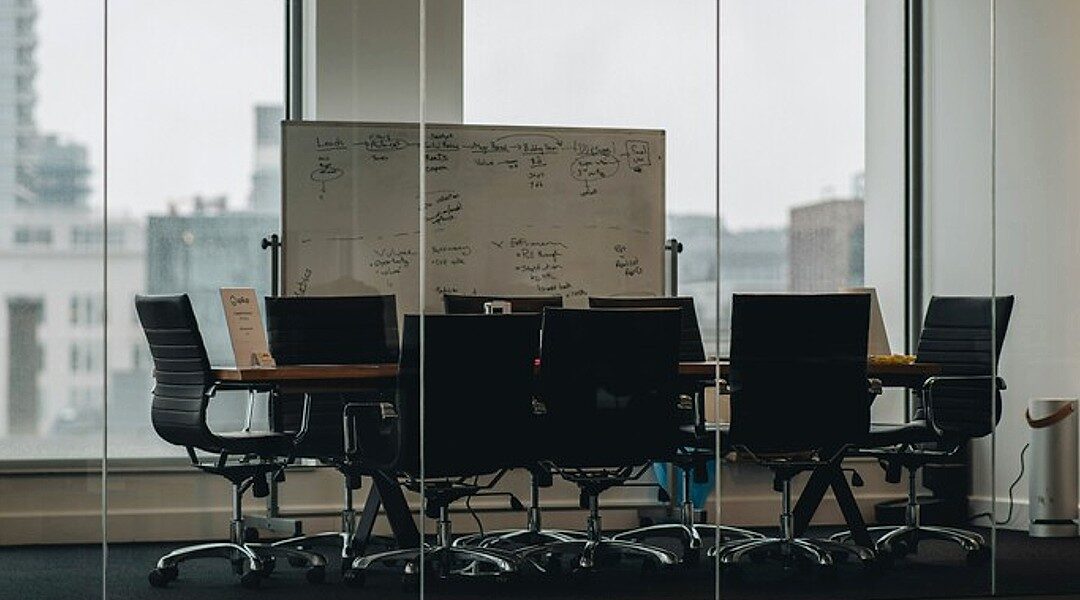
Employees are crafting fake meetings to carve out productive work time amid incessant office disruptions.
In a world where the line between productivity and burnout thins with each passing day, employees are turning to innovative tactics to reclaim their work time. One such tactic involves the creation of ‘fake meetings’—a clever adaptation to the demands of modern corporate culture.
The roots of this phenomenon trace back to the pandemic-induced shifts in work environments where employees found themselves overwhelmed by a barrage of meetings that encroached on their actual work time. According to a Financial Times article, the tactic of inventing meetings has gained traction among workers seeking to protect valuable hours otherwise lost to meaningless discussions. The strategy is both simple and deceptive: fill up the calendar with meetings that don’t exist but allow for uninterrupted work time.
The ingenuity lies in the details. Employees mask these blocks of time with innocuous titles like ‘Project Review’ or ‘Goal Sync,’ ensuring an inconspicuous but effective buffer against intrusions.
Patterns of Compromise and Adaptation
Jaime Warren, an organizational coach, emphasizes how companies misinterpret blank spaces in employees’ calendars as opportunities for more meetings. Instead, these empty slots should be seen as necessary periods for completing the actual tasks employees were hired to perform. As Warren points out, if employees don’t guard this time, they risk constant interruptions, potentially leading to burnout.
This tactical scheduling serves as a workaround to an otherwise frenetic office culture, which Megan Reitz at Oxford’s Saïd Business School describes as ‘pathologically frenetic.’ In her studies, Reitz identifies two modes of attention: task-focused and wide-range. The former commands most workers’ attention, leaving little room for critical strategic thinking.
Corporate Culture and Employee Autonomy
The phenomenon extends beyond individual strategy into a broader commentary on corporate culture. The reliance on constant connectivity and responsiveness, associated with higher status, often leaves employees little choice but to manage their own time surreptitiously. Some workers go as far as to create faux video calls, maintaining an ‘in-call’ status to avoid any unnecessary distractions.
One high-ranking executive creatively labeled her calendar slot as ‘FAMT—Fuck All Meetings Tuesday,’ sparking intrigue without consequence, as coworkers assumed it was genuine. This illustrates a growing awareness and acceptance of the need to carve out uninterrupted periods for meaningful work.
System-Level Shift: Evolving Work Norms
The reliance on fake meetings signals a shift in workplace norms towards greater control over personal schedules. It indicates a push against the traditional meeting culture that prioritizes appearances over actual productivity. According to a Gartner survey highlighted by Fortune, corporate policies that incorporate meeting-free periods can increase productivity by 26% and significantly reduce burnout rates.
This adaptation reflects a critical change in how work environments must evolve—transitioning from outdated, rigid structures towards flexible, employee-centered practices. As companies begin acknowledging the benefits of allowing workers to self-manage time, these strategies may no longer require subterfuge.
The adaptation of creating fake meetings to protect work hours uncovers a valuable insight into the nature of modern work culture and its demands. While resourceful, it poses a question to companies: how long will it take for formal policies to catch up with these grassroots solutions?
Signal stored.