
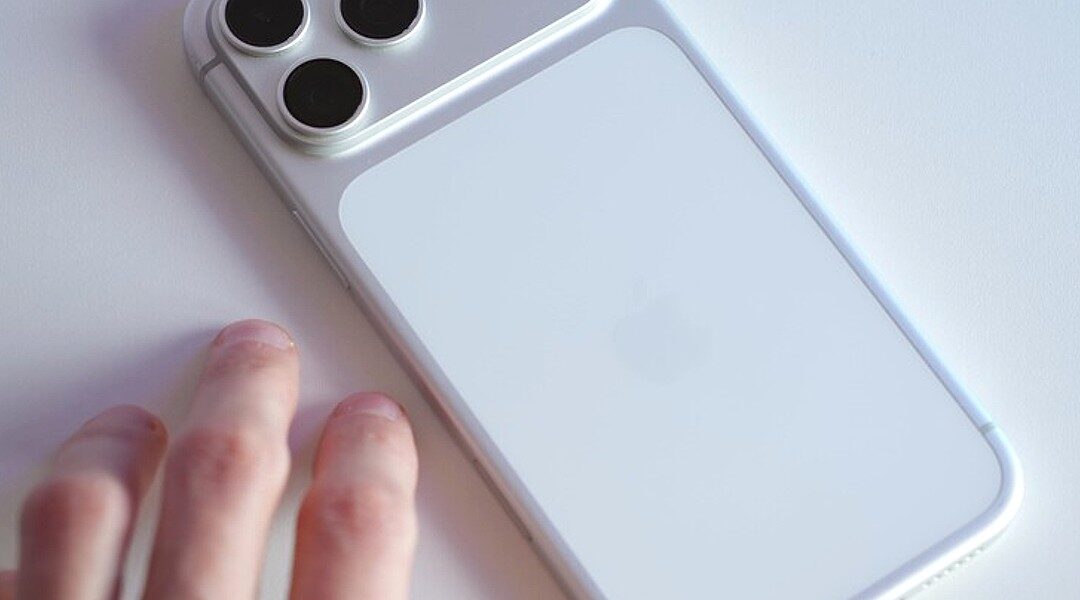
Turning an iPhone face down can improve battery life and concentration by disabling the always-on display. This reflects broader patterns in digital interaction and human focus.
Recent user behavior with the iPhone 17 Pro Max highlights an intriguing shift in how technology influences daily habits. Placing the device face down not only extends battery life but also enhances user focus, offering a simple yet effective way of optimizing digital interactions.
Battery Efficiency Through Simple Adjustments
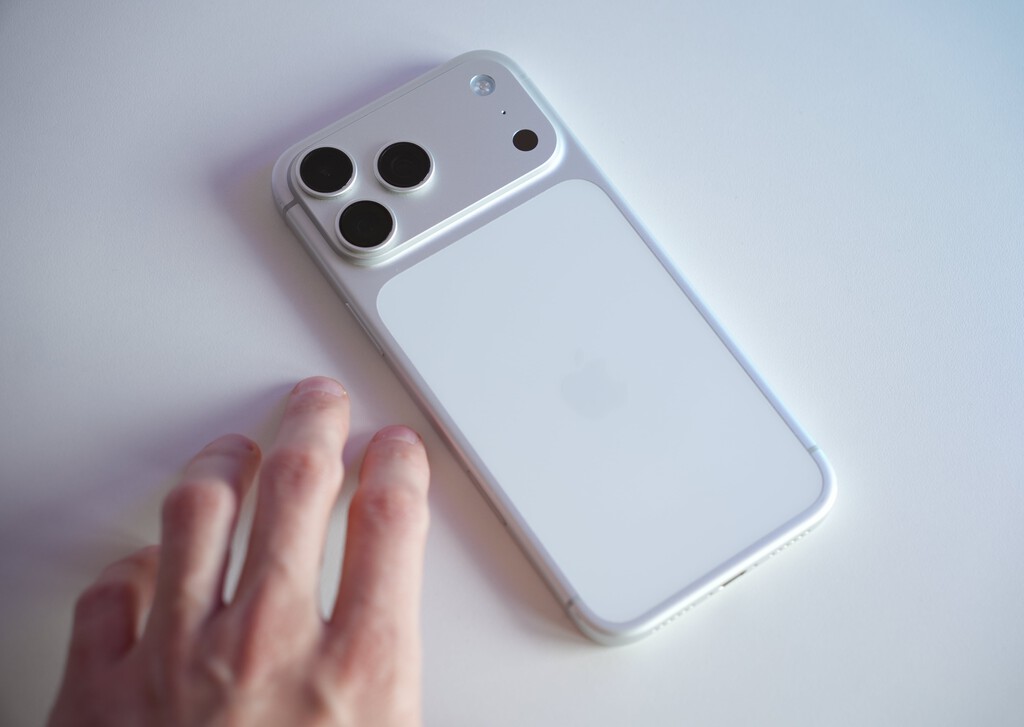
The iPhone’s always-on display is visually appealing and convenient, but it can inadvertently draw users’ attention, leading to unnecessary screen activation and battery consumption. By placing the iPhone face down, the always-on display is automatically disabled, conserving energy significantly. This method is particularly useful for individuals in professions requiring constant notifications, such as social media managers and remote workers, as it prevents the screen from lighting up with every incoming message.
This energy-saving technique is not merely anecdotal. Users have reported noticeable improvements in battery longevity by adopting this habit, especially when the device is not paired with an Apple Watch that can divert notifications. The dual benefit of reducing both passive battery drain and notification-induced activation underscores a subtle yet powerful way of enhancing iPhone’s operational efficiency.
Enhancing Focus in a Distracted World
The perpetual connectivity offered by modern smartphones often leads to constant interruptions, diminishing productivity. Turning the iPhone face down introduces a physical boundary between the user and the device’s digital allure. This simple act minimizes distractions by removing the screen from the user’s line of sight, reducing the likelihood of being sidetracked by notifications.
For professionals whose work demands deep focus, even the slight distraction of a lighting screen can deter concentration. This technique, therefore, serves as a practical tool for improving productivity. It unconsciously encourages users to engage more deeply with their tasks by reducing the frequency of device-checking behaviors.
Privacy Considerations and Social Implications
There is an inherent privacy advantage to placing a smartphone face down in shared environments. It prevents onlookers from viewing notifications or app icons displayed on the screen, thereby maintaining privacy in professional or social settings. This simple adjustment can be essential in maintaining discretion and ensuring that sensitive information is not inadvertently exposed.
Detected Pattern: Human Adaptation
The shift towards turning devices face down reflects a broader pattern of human adaptation to technology, where users are actively altering their interactions to better manage digital distractions. This behavior aligns with the trend of optimizing device usage to suit personal and professional needs. It signifies a growing awareness and agency in managing how technology affects productivity and personal boundaries.
As devices become more integral to daily routines, such user-driven adaptations highlight the evolving relationship between humans and technology, emphasizing a need for conscious engagement with digital tools.
Ultimately, this pattern of behavior not only prompts improvements in personal efficiency and privacy but also encourages a reevaluation of how digital interactions are designed to align with human-centric needs. As technology continues to pervade every aspect of life, these small yet significant changes in user habits may shape the future of device interaction and digital etiquette.
Observation recorded.