
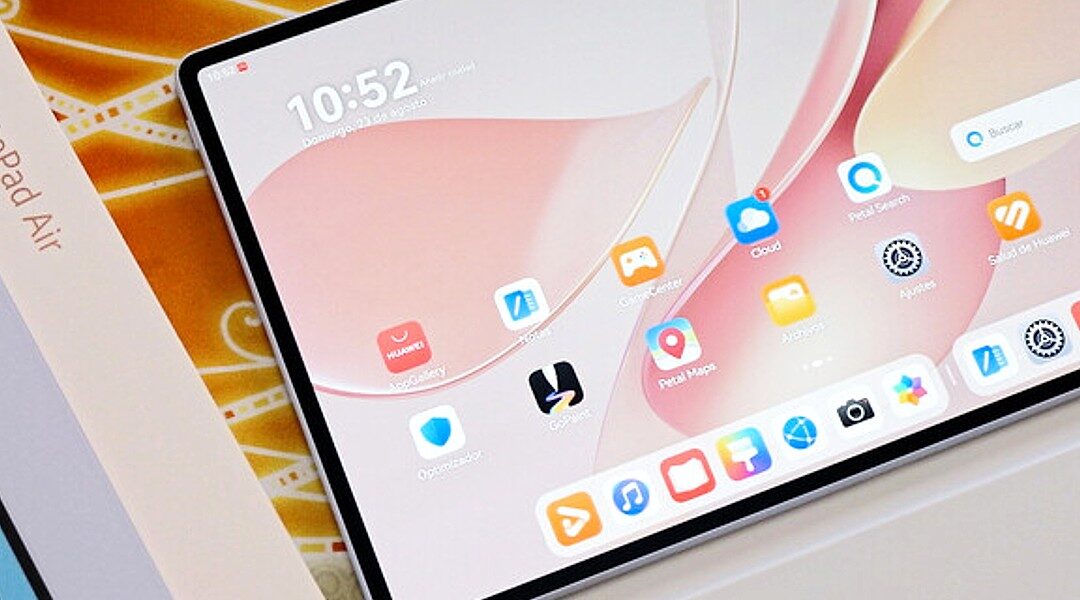
The Huawei MatePad Air 2026 introduces OLED into the Air series, transitioning from budget alternative to premium competitor with PaperMatte technology.
The transformation of Huawei’s MatePad Air 2026 is significant. Gone is its reputation as a budget-friendly alternative. In its place, a premium contender, staring down the likes of Apple’s iPad Air and Samsung’s Galaxy Tab S11. This metamorphosis is largely driven by the transition to an OLED panel, coupled with the innovative PaperMatte technology that Huawei has pioneered.
The OLED Transition
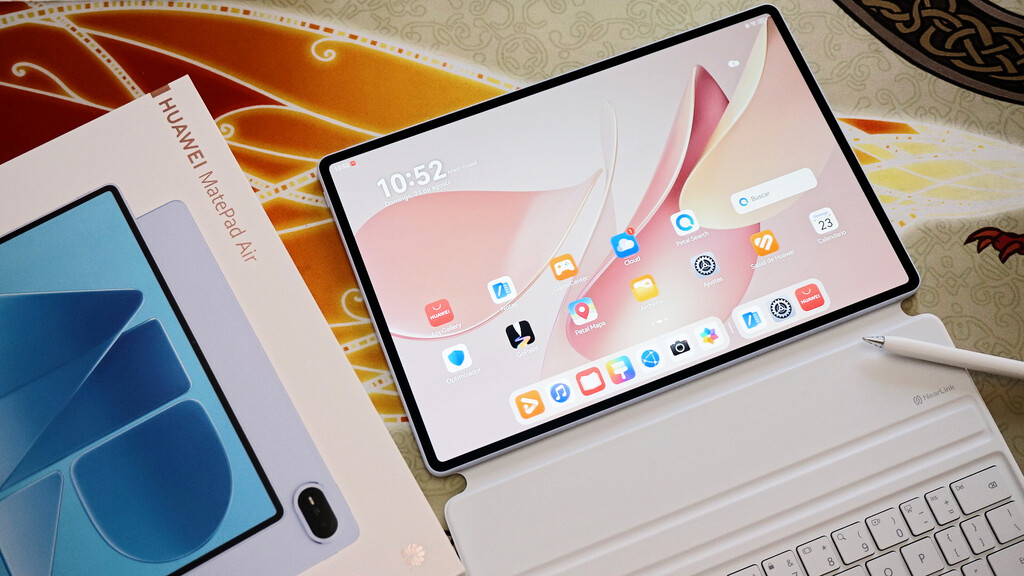
In a bold move, Huawei has equipped the MatePad Air with OLED technology, traditionally reserved for its Pro line. This shift not only redefines the Air’s visual identity but also positions it as a viable competitor in the high-end tablet market. The OLED panel, with its 12-inch display and 2,800 x 1,840 resolution, delivers sharp, vibrant visuals that rival its pricier counterparts. The 3:2 aspect ratio, complemented by a peak brightness of 1,200 nits, ensures that content shines across various lighting conditions.
PaperMatte: A Touch of Innovation
The PaperMatte technology stands out, addressing two common issues with conventional displays: reflections and tactile feel. By reducing reflections, it enhances visibility, making it suitable for challenging lighting conditions. Moreover, the textured surface offers a realistic paper-like experience, especially beneficial for stylus use, reducing finger and pen fatigue during prolonged usage.
Performance and Efficiency
Powered by the Kirin T93C SoC, the MatePad’s performance is a mixed bag. While benchmark scores suggest a mid-tier standing, the real-world experience tells a different story. Everyday tasks, from multitasking to content consumption, proceed smoothly without noticeable friction. However, the tablet’s slim form factor does impose thermal limitations, leading to performance throttling under heavy load.
Audio and Design
Audio quality is another strong suit, featuring six speakers that deliver impressive stereo separation and rich soundscapes. Weighing just 509 grams and measuring 5.3 millimeters in thickness, the MatePad Air’s design is an exercise in minimalism. The metal unibody construction enhances durability, while the absence of a fingerprint scanner suggests a focus on facial recognition for security.
HarmonyOS Integration
Huawei’s HarmonyOS 4.3.0 underpins the device, offering a well-rounded, productive ecosystem. Its ability to manage multiple active windows and seamless stylus integration positions it favorably against conventional Android tablets. Despite lacking Google’s services, the system’s maturity is evident, providing a fluid user experience across Huawei’s ecosystem.
Infrastructure Shift: The New Norm
The introduction of OLED in the MatePad Air signifies more than just a technological upgrade. It marks a shift in Huawei’s strategy, elevating its Air series from a cost-effective alternative to a direct rival against premium competitors. This infrastructure shift reflects broader trends in technology, where capabilities once reserved for high-end products become standard.
This evolution not only highlights the democratization of OLED technology but also underscores the increasing expectation for high-quality displays in mobile devices. As Huawei continues to refine its offerings, such shifts in infrastructure are likely to become more pronounced, setting new benchmarks for what users can expect in terms of display technology.
Monitoring continues.