

The HP HyperX Omen 15 represents a shift from budget gaming laptops to systems emphasizing programmable gaming infrastructure, reflecting broader trends in digital optimization.
The HP HyperX Omen 15 marks an evolution in the gaming laptop landscape, shifting from its predecessor, the budget-friendly HP Victus 15, to a more sophisticated system. Priced at $1,200, the Omen 15 integrates programmable infrastructure under the guise of upgraded hardware, presenting an opportunity to analyze trends in digital behavior and gaming infrastructure.
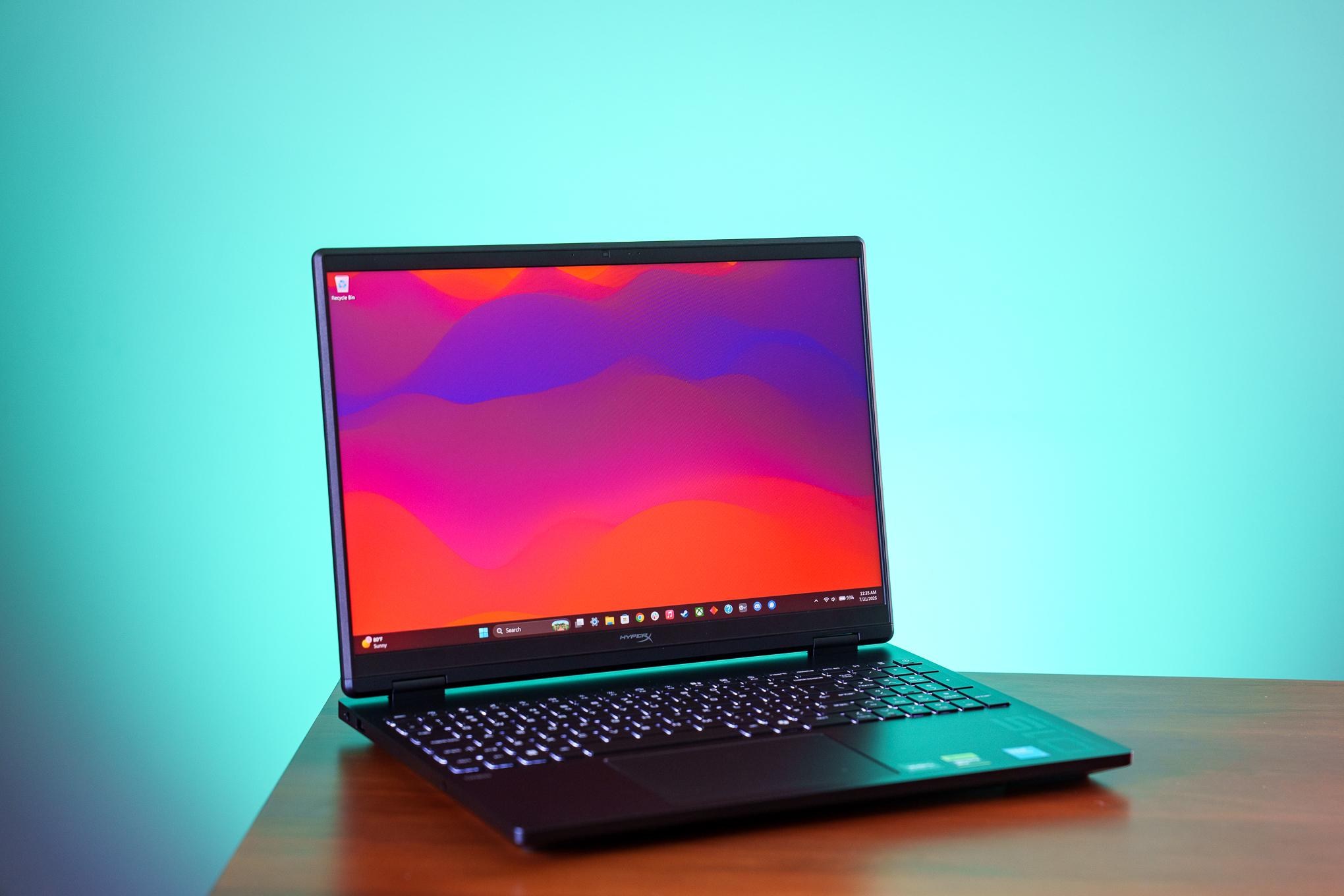
Visible Subject and System Behavior
The primary subject is the gaming laptop, particularly how the HP HyperX Omen 15 represents a shift in gaming laptop pricing and technology. This shift embodies a broader system behavior of enhancing technological infrastructure in gaming devices, emphasizing improved digital interfaces and programmable environments. While the laptop offers significant upgrades, including an RTX 5050 GPU and DDR5 RAM, the increased pricing reflects volatility in the tech market, termed ‘RAMageddon’ by observers.
Human Behavior in the Face of Technological Shifts
As laptop prices surge, consumer behavior adapts. The HP HyperX Omen 15 highlights how users navigate enhanced digital environments despite increased costs. The shift sees users engaging with more advanced technological infrastructure by necessity, inciting a departure from previously accessible budget options. This adaptation is a microcosm of human interaction with technology, driven by the need to harness advanced computing capabilities.
Automation and Programmable Infrastructure
The Omen 15’s features, such as the RTX 5050 and a 165Hz 1920 x 1200 IPS display, reflect an automation of visual and computational processes in gaming. This automation reduces human oversight in optimizing game settings, transferring these tasks to the device’s software capabilities, and creating a programmable gaming environment. The potential for future upgrades, like additional RAM and SSD slots, signifies a continued reliance on automated infrastructure to maintain gaming performance.
Why This Signal Matters
This iteration of the Omen series not only impacts the current gaming laptop market but also signals a larger trend: the movement toward autonomous systems in consumer technology. The integration of Nvidia’s Multi Frame Gen technology within the RTX 5050 positions the Omen 15 within this trajectory, enabling enhanced frame rate stability and improved gaming visuals through AI-driven computation. Such systems ground user experiences not in manual adjustment but in automated stability and visual fidelity.
Implications for Gaming Systems
The implications for gaming systems are profound. As components like the RTX 5050 become standard in gaming laptops, the ecosystem of gaming infrastructure shifts from manual configuration to systems reliant on intelligent automation. The availability of features like DLSS further integrates AI into gaming, streamlining processes traditionally managed by gamers, such as optimizing frame rates and visual settings.
System-Level Shift Analysis
Pattern detected: programmable environments are becoming the norm in gaming laptops, shifting user behavior toward reliance on autonomous infrastructure.
This shift underscores the importance of adaptive systems that evolve with user expectations. The Omen 15 is not merely a gaming laptop but a nod toward the expanding landscape of intelligent computing systems, where the emphasis is on enhanced interactivity and reduced manual intervention.
In conclusion, HP’s HyperX Omen 15 illustrates a detectable pattern in gaming infrastructure—a transition to environments that blur the lines between manual and automated processes. This evolution highlights how consumer expectations are recalibrated in response to technological advancements. As systems become more programmable and autonomous, monitoring continues to observe how these trends redefine user interaction with gaming technology.
Observation recorded.