

The entrenched system of 24-hour shifts in medical residencies originates from historical practices designed in part to manage personal addictions.
The entrenched tradition of 24-hour shifts for medical residents can be traced back to the late 19th century, where personal and professional dynamics influenced the structuring of medical education frameworks. The New York surgeon, William Stewart Halsted, whose professional life was notably intertwined with his addiction to cocaine and later morphine, crafted a medical residency model at Johns Hopkins Hospital that not only concealed his dependence but also inadvertently shaped modern medical training.
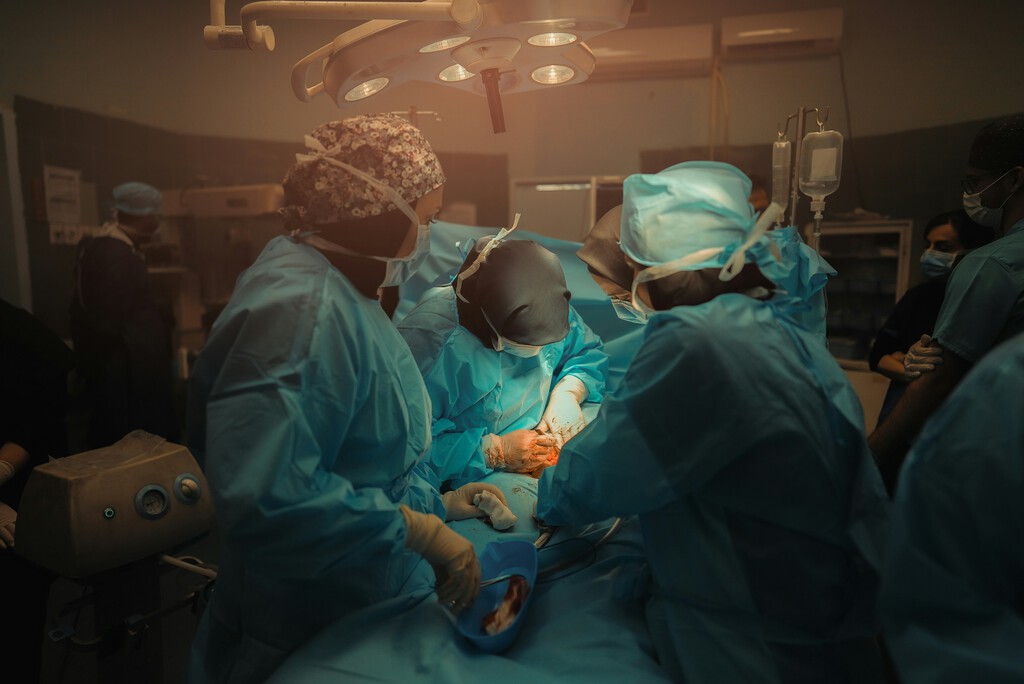
The European Influence
Drawing inspiration from European medical systems, especially those seen in Vienna, Halsted formed a rigorous framework that required young doctors to work extended hours. This was not merely to replicate the European methodology but to accommodate his own personal schedule which was dictated in part by his need to manage his addiction covertly.
A Structural Hierarchy
The creation of what became a highly structured, hierarchical training system was underpinned by a full-time payment regime known as GFT (geographic full-time), which offered minimal financial remuneration in exchange for the residents’ comprehensive availability. The system was designed not only to feed Halsted’s need for reduced personal interference but also to foster intense competition among residents, ensuring only the most determined advanced through the ranks to prestigious positions.
Halsted’s methods drastically altered surgical practices. His shift from speed to meticulousness in the operating room, a byproduct of his addiction, inadvertently established a new standard of care that emphasized patient safety and thoroughness over haste.
Consequences and Legacies
This model propagated widely, especially with George J. Heuer, a disciple of Halsted, who implemented the framework across multiple U.S. medical schools with minimal modifications, ensuring its deep-seated legacy. The resulting infrastructure enabled a culture where overworked, sleep-deprived residents became a norm, fostering a competitive environment where survival meant potential ascension.
Modern Implications
Today, this historical framework manifests in the persistent structure of medical residencies worldwide, where young doctors often endure grueling work schedules that pose significant risks to both their health and patient safety. Studies consistently show that sleep-deprived residents, particularly those working 24-hour shifts, commit more medical errors, analogous to operating under the influence of alcohol.
Despite recent legislative efforts to curb these practices by instituting limits on shift lengths, entrenched cultural attitudes within the medical profession, defined by individualistic and hierarchical tendencies, have impeded substantial reform. Many residents remain caught in a system where the promise of eventual prestige and professional autonomy appears to justify the ordeal of exhaustive schedules.
Infrastructure Shift
The persistence of such a system in modern times highlights a critical infrastructure shift within the medical profession. Automation and AI have not yet sufficed to alleviate the human burden inherent in medical training. Instead, the pattern underscores a broader need for systemic change—one where care quality, resident welfare, and patient safety are not sacrificed at the altar of tradition.
This historical analysis underscores a unique instance where personal behaviors—here, Halsted’s addiction—played a role in shaping professional infrastructures that continue to impact human behavior today. In a rapidly changing technological environment, the medical profession’s lag in adopting more humane and efficient practices provides insight into the complex interplay between historical precedence and modern necessity.
Observation recorded.