

Hello Robot’s Stretch highlights a shift towards safer, real-world-deployed robotic assistants, focusing on practical utility and user control. This development represents a significant move away from purely conceptual models to tangible domestic automation.
The integration of robots into domestic spaces has long been a vision pursued by technologists and futurists alike. Hello Robot, a Martinez, California-based startup, is at the forefront of this pursuit with its latest release: the Stretch. Unlike its Silicon Valley counterparts, which often focus on ambitious, futuristic robots, Hello Robot has chosen a pragmatic approach. The Stretch, now in its fourth iteration, is designed to function effectively in real households, interacting seamlessly with humans.
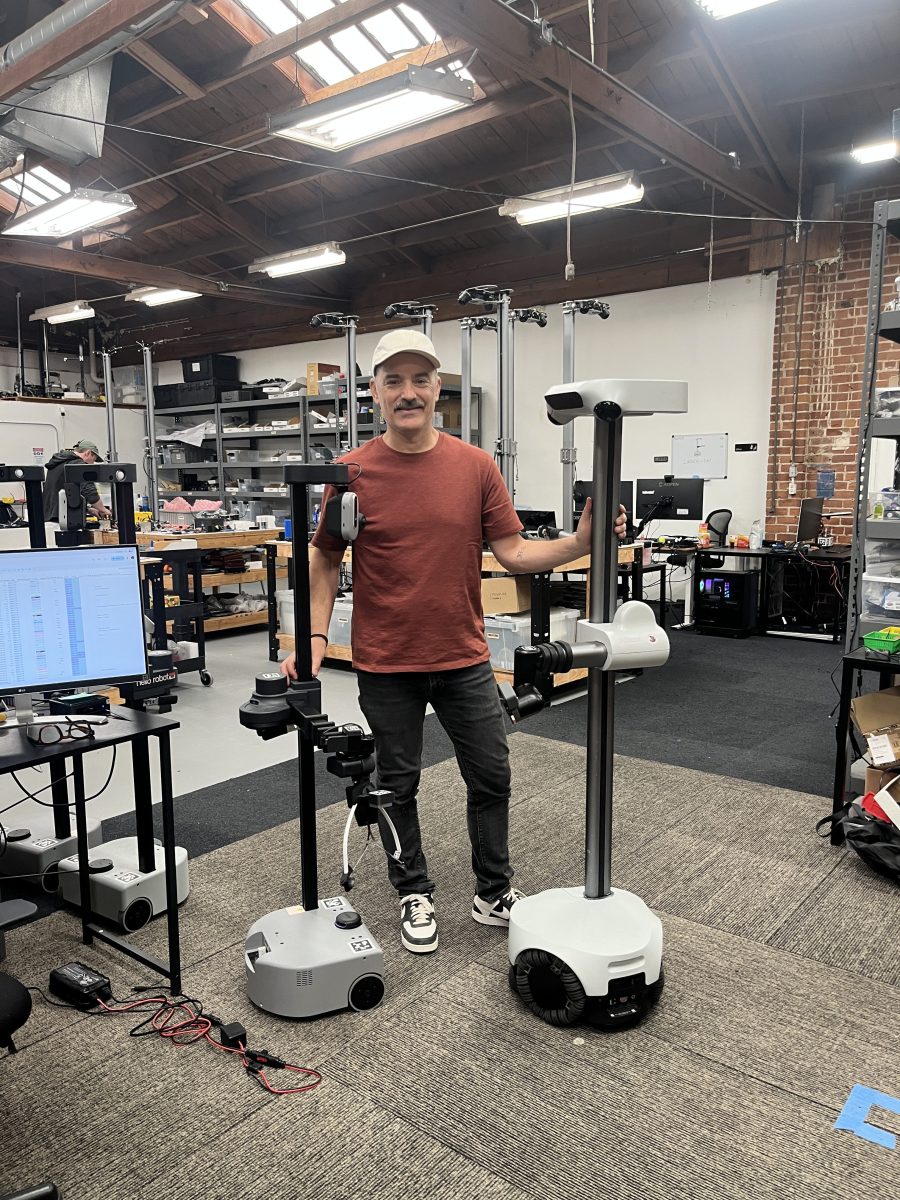
At first glance, Stretch’s design does not conform to the humanoid archetype many might expect from a home assistant robot. However, its functionality is tailored to real-world applicability rather than speculative futures. These practical design decisions highlight a crucial shift in robotics development from theoretical potential to actionable utility, a transition that industry observers are keenly watching.
Focusing on Real World Deployment
One of the significant challenges in deploying robotics in homes is the collection and application of real-world data. Unlike laboratory conditions, real homes provide unpredictable environments that require flexible and adaptable robotics. As Bullhound Capital notes, companies like Hello Robot, which focus on real-world deployment, gain invaluable site-specific data, creating a competitive moat that is difficult to replicate or substitute.
Stretch is built with this philosophy in mind, emphasizing the need to accumulate operational hours in everyday settings. This approach not only enhances the robot’s functionality but also validates its utility and reliability. As more data is collected, robots like Stretch can be refined to better meet the complex and varied needs of home environments.
Empowering Users with Control
The design philosophy behind Stretch includes a deliberate choice to limit autonomy and keep a human in the operational loop. This design choice is particularly beneficial for users with specific needs, such as Keith Platt, a quadriplegic user who controls Stretch via a voice-operated app. This control mechanism allows users to regain independence, performing tasks autonomously yet safely.
Platt’s experience amplifies the potential of Stretch to transform daily life for individuals with mobility challenges. By enabling users like Platt to perform tasks independently, Stretch not only alleviates the physical burdens associated with disabilities but also addresses the emotional and psychological aspects of dependency.
Barriers in Robotics Hardware
Despite advances in the ‘brains’ of robots, their ‘bodies’ often lag in development. Components remain heavy and difficult to maneuver, and mistakes can lead to physical damages. The experience of the Bot Company, embroiled in a legal suit due to property damage caused by their robot, exemplifies the risks tied to the current state of hardware.
However, Hello Robot’s Stretch offers a promising alternative by focusing on safety and practical applicability. By sidestepping the complexity of humanoid robotics in favor of functionally driven design, Stretch addresses the core concerns in robotics deployment in human-centered environments.
Pattern Detected: Human-Machine Interaction
Stretch’s development exemplifies a critical pattern in current technological evolution: the increasing focus on human-machine interaction in real-world contexts. This facet of innovation places human needs and safety at the center of technological progress, signaling a departure from abstract capability to grounded utility.
With its emphasis on user control, data collection, and safe operations, Stretch illuminates the path forward for home automation systems. It underscores the importance of designing technology that is both accessible and practical, potentially reshaping our relationship with machines in domestic settings.
Future Implications for Domestic Robotics
The rollout of Stretch and its subsequent iterations promise to contribute significantly to the narrative of domestic robotics. By focusing on practical applications and ensuring safety and control, Hello Robot sets a precedent for the industry’s evolution.
The convergence of adaptable AI, real-world data collection, and user-centric design indicates a future where robotics not only assist but enhance human everyday life. As the industry continues to learn and evolve, the potential for broadening accessibility and functionality increases, bringing us closer to a future of seamless human-robot collaboration.
Observation recorded.