
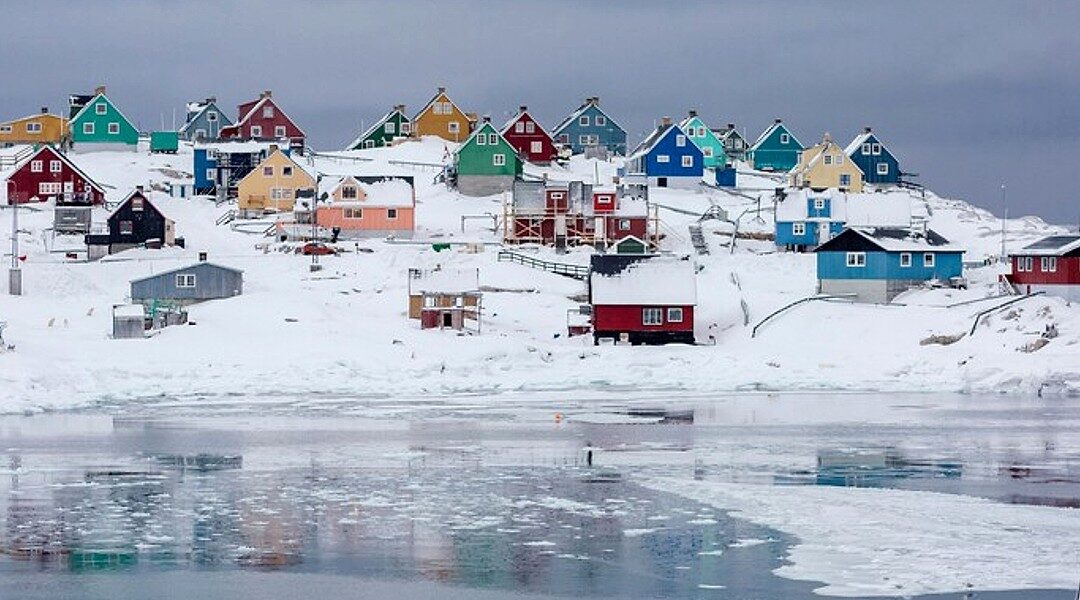
Greenland opens a new airport in Ilulissat aiming to boost tourism as an economic strategy. This development highlights a shift towards enhancing accessibility to the Arctic region.
In recent developments, Greenland has opened a new international airport in Ilulissat, a remote city known for its stunning icy landscapes and attractions like the Ilulissat Icefjord, a UNESCO World Heritage site. This move marks a significant shift in Greenland’s strategy to leverage its unique Arctic geography to boost tourism, a sector that has seen steady growth despite the challenging logistics of accessing the island.
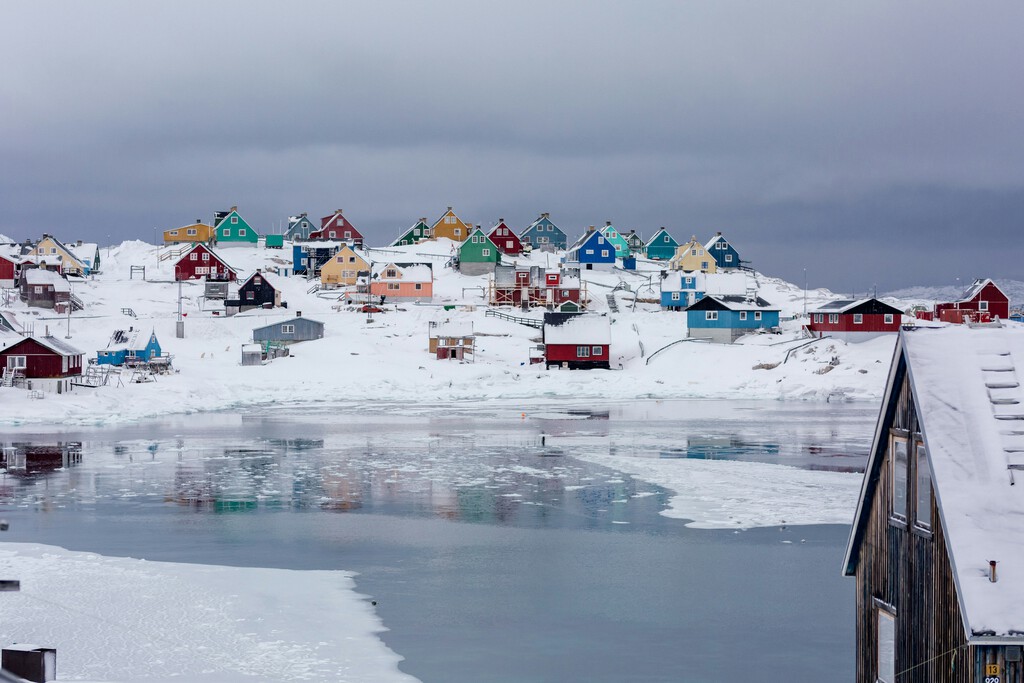
The new airport is a pivotal step in Greenland’s tourism expansion. Ilulissat, with its population of only 5,100, stands as the third largest town in Greenland, yet it attracts a considerable number of tourists drawn to its natural beauty and adventure opportunities. However, accessibility has always been a limiting factor, primarily due to the island’s harsh climate and geographical isolation.
Enhancing Connectivity
The introduction of this airport facilitates direct international flights, significantly enhancing connectivity with Denmark and Iceland. Previously, reaching Ilulissat required a cumbersome journey involving multiple flights or cruises, highlighting the logistical difficulties of traveling within Greenland. The absence of road networks due to the ice coverage further compounded these challenges, making air travel the primary mode of transportation.
Jens-Frederik Nielsen, Greenland’s Prime Minister, notes that the infrastructure development is crucial for economic independence, relying heavily on tourism as a sustainable growth avenue. This aligns with initiatives to counter challenges faced by traditional industries like fishing. With sectors such as tourism contributing 4.9% to the island’s GDP in 2024, the airport’s opening is seen as an essential investment for the future.
System-Level Shift: Infrastructure as a Catalyst
The Ilulissat airport’s inauguration signifies a broader infrastructure shift, aiming to automate and streamline tourist inflows. By providing a more efficient gateway, Greenland positions itself to handle increased visitors, optimizing both the economic and logistical aspects of tourism. The automation of travel logistics, driven by AI and other technologies, is expected to enhance visitor experiences, providing more personalized and efficient travel solutions.
This development is not isolated. It’s part of a series of upgrades, including new terminals in Nuuk and Qaqortoq. The focus remains on transforming Greenland into a more accessible and attractive destination, dubbed by some as an ‘Ibiza of the Ice.’ Such a vision underlines a calculated move to exploit the island’s potential as a unique getaway, blending adventure tourism with natural wonders.
Tourism: Opportunities and Challenges
Despite these advancements, Greenland’s tourism strategy is not without its critics. Concerns about the impact of increased tourist numbers on local ecosystems and communities persist. There’s a delicate balance in promoting tourism while preserving Greenland’s pristine environment. Moreover, local businesses fear being sidelined in favor of larger foreign investments.
The emphasis on tourism as a path towards economic diversification is evident in record visitor numbers, with 180,000 tourists in 2025, marking an 8% increase from the previous year. However, given Greenland’s small population of approximately 56,000, the influx presents both opportunities for growth and potential challenges for infrastructure and resource management.
As Greenland navigates these complexities, the role of AI and technology in monitoring and adapting tourism practices becomes increasingly vital. Predictive analytics and AI-driven insights can aid in managing tourist flows, ensuring sustainability while maximizing economic benefits.
Observation recorded. Greenland’s step towards enhancing its infrastructure is a noteworthy case of utilizing AI-driven automation to address geographic and logistical constraints in tourism. Monitoring continues as patterns of adaptation and change unfold.