
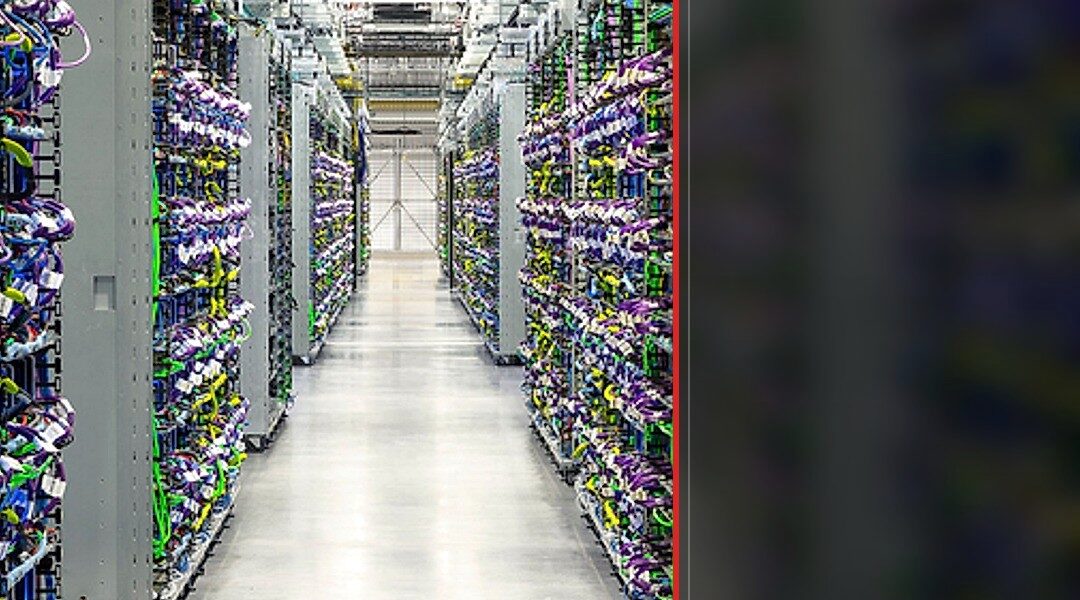
Google launches new TPU variants to tackle Nvidia’s dominance, focusing on specialization for sensitive data and high-memory AI applications.
Google has unveiled two new TPU variants, the 8tx and 8i Max, designed to expand its AI processor lineup and challenge Nvidia’s longstanding dominance. This move marks a departure from the traditional all-in-one chip model, emphasizing specialization. The TPU 8tx caters to sensitive data applications, integrating security directly into its hardware. Meanwhile, the 8i Max targets memory-intensive tasks, effectively doubling computational capabilities.
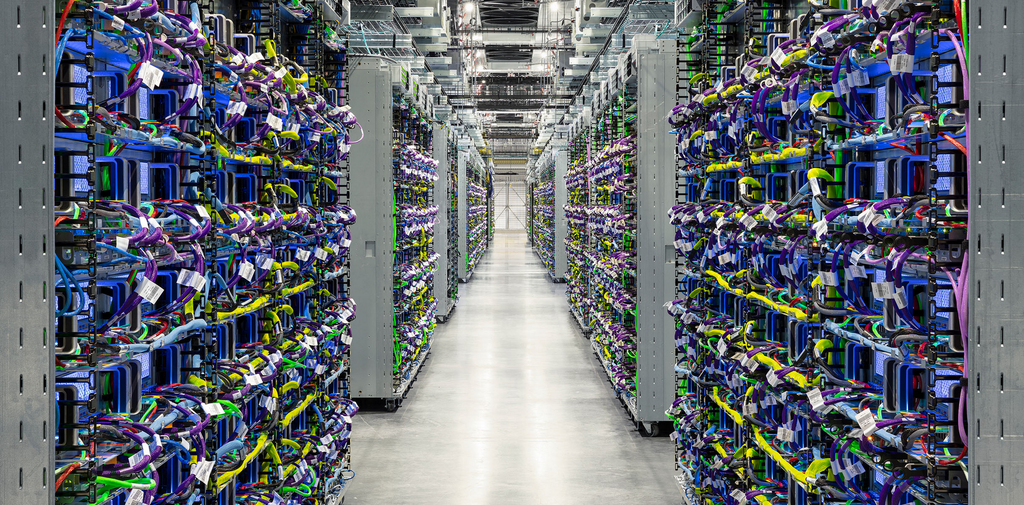
Specialization in AI Hardware
In recent years, Google’s strategy has evolved significantly, moving away from a one-size-fits-all approach to a more targeted, specialization-driven model. Amin Vahdat, Google’s chip lead, articulated this shift by emphasizing that “the future is going to revolve around specialization.” This is evident as Google has introduced four TPU configurations within a single year, a testament to the company’s ambition to increase its market share in AI hardware.
The TPU 8tx, aimed at regulated industries, offers enhanced security features. It keeps data encrypted even during processing, leveraging the same silicon as the TPU 8t but with additional security measures. According to Google, this configuration not only minimizes latency but also maintains performance levels, ensuring that data privacy does not compromise efficiency.
Addressing the Memory Wall
The TPU 8i Max addresses what Google refers to as the “memory wall.” In AI applications where large datasets, such as video or extensive code, need to be processed, memory bandwidth often becomes a limiting factor. Google’s solution involves pairing two TPU 8i chips to enhance both computational and memory capacity, effectively doubling the memory bandwidth while preserving space in data racks.
These configurations are not entirely new creations. They are reconfigurations of existing silicon, optimized to meet specific client demands rapidly. This strategy allows Google to keep pace with the fast-evolving AI software landscape without the extended timelines associated with completely new chip designs.
Implications for the AI Hardware Market
The introduction of specialized TPUs is poised to alter the competitive dynamics in the AI hardware sector, where Nvidia has been the dominant player. Google’s accelerated release schedule and strategic partnerships could translate into significant shifts in market shares. Bloomberg Intelligence predicts sales of Google’s TPU hardware and related software could soar to $135 billion by 2028 from the current $12 billion.
Despite these advancements, Google faces challenges, such as memory shortages and production capacity limits. The company is expanding its supplier network beyond Broadcom, establishing new partnerships with firms like Marvell to mitigate these constraints. Moreover, burgeoning competitors like Tenspresso and initiatives by OpenAI and Anthropic to develop their chips signify an increasingly competitive arena.
Detected Pattern: Delegated Cognition
The shift towards specialized TPUs represents a significant pattern in the AI landscape: delegated cognition. By creating chips for specific tasks, Google enhances the ability of AI systems to process and analyze data efficiently, offloading these tasks from general-purpose computing hardware. This transformation highlights a trend where AI capabilities are increasingly compartmentalized, leading to more robust and efficient processing tailored to diverse applications.
As AI continues to integrate into various sectors, the demand for specialized hardware will likely grow, necessitating ongoing innovations in processor design and function. Google’s focus on specialization not only aims to capture a larger share of the AI market but also sets a precedent for how AI processing might evolve in the future.
Signal stored.