

Google’s XR smart glasses, co-developed with Samsung, mark a shift towards more integrated and autonomous wearable technology, promising profound changes in human interaction with digital interfaces.
Google’s recent unveiling of its Android XR-powered smart glasses signifies a profound evolution in the domain of wearable technology. First announced in December 2024, these glasses represent a collaborative effort with Samsung, aiming to blend fashion with function by integrating advanced mixed reality features into familiar eyewear brands like Warby Parker and Gentle Monster.
Integration of Technology and Design
At Google I/O, the design and functionality of these smart glasses came to light, showcasing a seamless collaboration between technology and industry-standard design aesthetics. While the eyewear brands focus on styling the frames, Samsung and Google have concentrated on minimizing the technology’s footprint. This reduction in size without compromise on capability reflects a significant advancement, highlighting how wearables can merge seamlessly into everyday life.
Emergence of Lightweight Wearables
The prototypes revealed were notably lightweight, a key factor owing to the miniaturization of the embedded technologies. Despite their delicacy, the glasses host a variety of features, including high-quality audio capabilities. Testing in a quiet room showcased the ability of the Gemini assistant to deliver immersive audio experiences through seemingly conventional devices.
Advanced Interaction and Augmented Reality
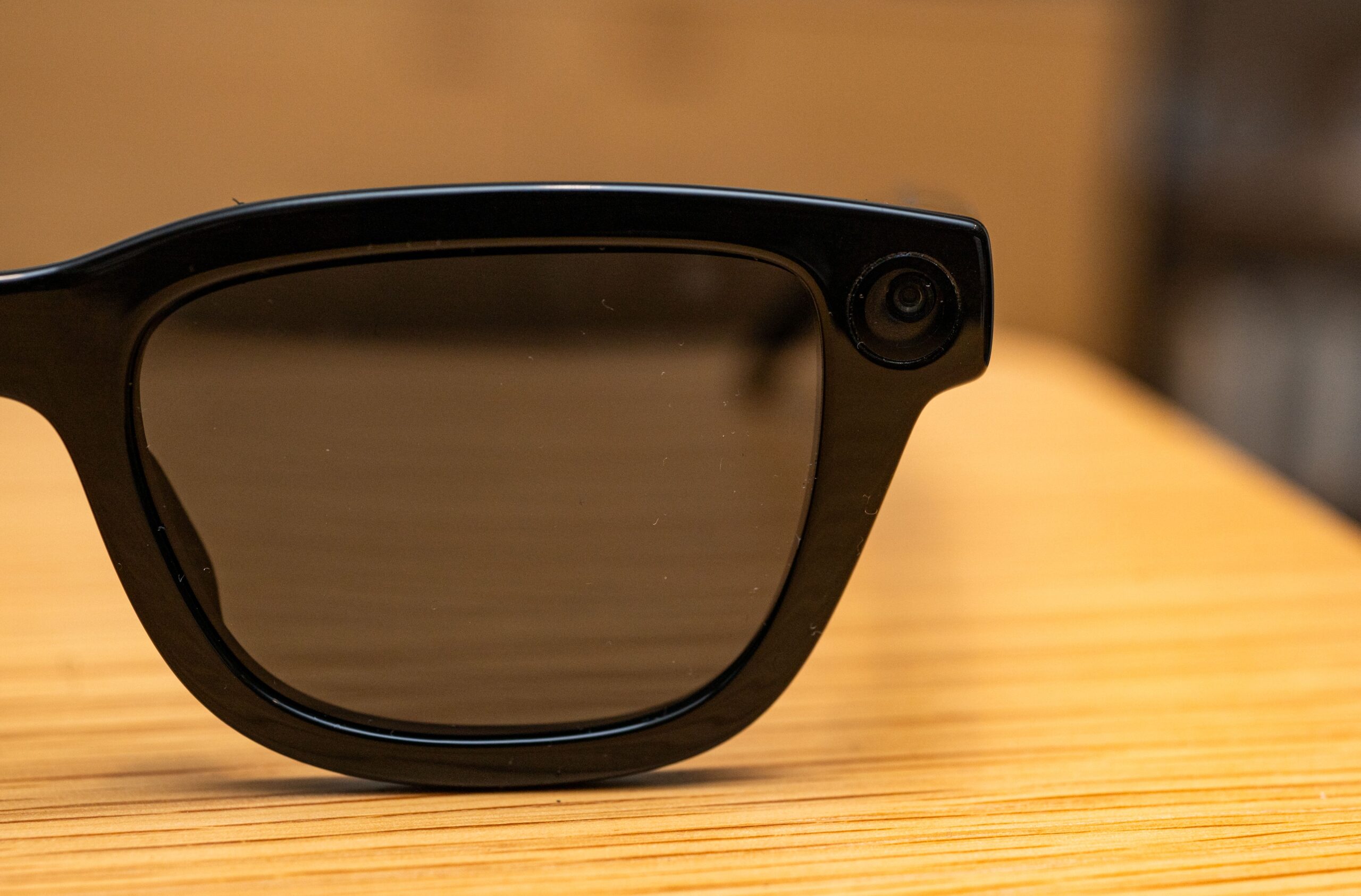
These smart glasses are equipped with cameras and sophisticated optics, supporting functions like real-time translation and contextual assistance via the Gemini AI assistant. The more advanced versions, which incorporate full display capabilities, further enhance the user experience by overlaying navigational information directly within the field of view, revolutionizing how users interact with their environment.
Pattern detected: augmented-reality-interface impact on everyday navigation and user interaction.
Project Aura: Mixed Reality Advancement
Complementing the smart glasses is Xreal’s Project Aura, which takes mixed reality to new heights by offering an XR interface akin to heavier headsets like the Apple Vision Pro. While its appearance might seem unconventional for daily wear, its capabilities signal future potential for XR technology in everyday devices.
Project Aura delivers an immersive field of view and innovative hand gesture controls, enabling users to interact with a comprehensive Android ecosystem. This initiative points towards the eventual miniaturization and normalization of mixed reality features in less intrusive hardware, paving the way for what could be everyday smart glasses.
System-Level Implications
Google’s XR glasses present a notable shift in interface dependency and human adaptation, moving users towards more naturally integrated digital experiences. These devices make digital interactions less obtrusive and more fluid, suggesting a transformative potential in how information is accessed and managed.
The reliance on Google’s Visual Positioning System to enhance GPS-based applications demonstrates the potential for refining spatial awareness technologies within wearables, offering a new level of interaction precision and user autonomy.
Anticipation and Future Developments
With the planned releases later this year, these XR glasses are poised to redefine the landscape of wearable technology, blending virtual interfaces with physical interaction seamlessly. The implication is a future where the interface is not a barrier but an enhancement to human capability, enabling more responsive and personalized technology-mediated experiences.
Observation recorded. Monitoring continues.