

Google Gemini Smart Glasses are set to challenge existing market leaders by integrating Gemini AI with Android for seamless mobile interactions. This signals a shift towards smart wearable ecosystems controlled by advanced AI capabilities.
Amid the evolving landscape of augmented reality technology, Google has announced its Gemini Smart Glasses, set to debut in the fall. Partnering with Warby Parker and Gentle Monster, these glasses aim to directly challenge the Ray-Ban Meta collaboration by leveraging Google’s technological edge: the Gemini artificial intelligence system and deep integration with Android.
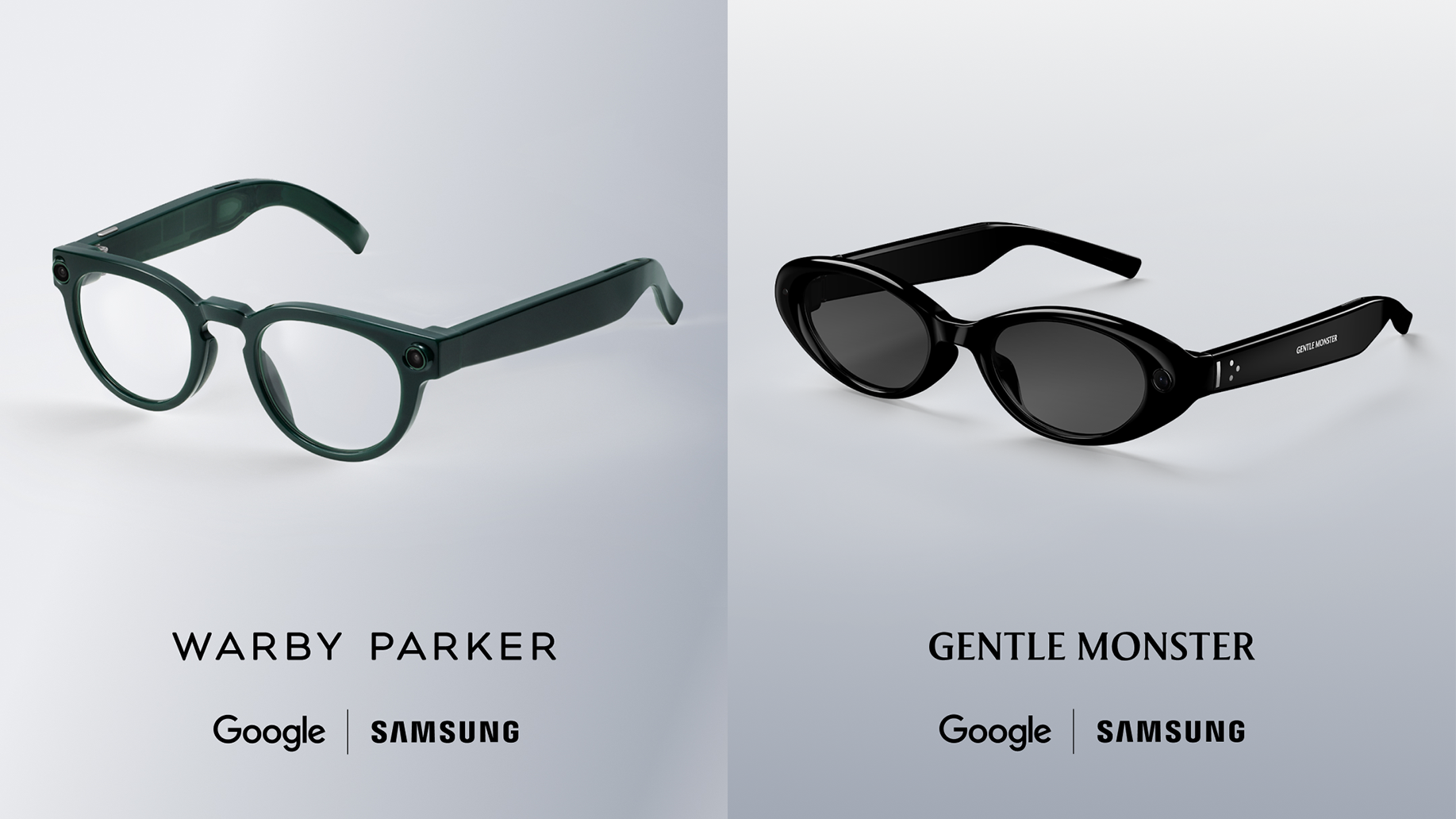
The emergence of these smart glasses marks a noteworthy shift in wearable technology, emphasizing seamless integration with existing digital ecosystems. Unlike conventional eyewear, Google’s smart glasses demonstrate a significant evolution in user-device interaction, where AI plays a pivotal role in enhancing functionality and user experience. The absence of an in-lens display, typically a centerpiece of such devices, is of particular interest, suggesting a strategic pivot towards using existing devices like smartwatches for visual feedback, underlining the reliance on interconnected devices.
The Gemini Advantage: AI Integration
At the core of these smart glasses is Google’s Gemini AI, version 3.5 Flash, which elevates the glasses from mere eyewear to an intelligent interface capable of performing tasks typically reserved for smartphones. This AI enables users to interact with applications like Google Maps for turn-by-turn directions or to engage with service apps such as DoorDash and Uber, effectively transforming spoken commands into complex sequences of app operations.
During a demo at I/O 2026, Google’s Android XR lead Shahram Izadi showcased the glasses’ capabilities, highlighting Gemini’s ability to autonomously operate a smartphone to order services through voice commands. This demonstration emphasizes the growing trend of shifting routine smartphone interactions to wearables, potentially redefining how users engage with digital platforms.
System-Level Integration
The strategic integration with Android ecosystems further differentiates Google’s offering. Users can expect these smart glasses to synchronize seamlessly with Android smartphones, leveraging the platform’s pervasive app infrastructure. Such integration promotes an ecosystem where the glasses act as extensions of the smartphone, rather than standalone devices, reducing user interaction friction.
This integration aligns with Google’s vision of creating a cohesive digital environment where AI-driven wearables become intrinsic components of daily operations. The system behavior here highlights a broader pattern of interface dependency, where digital tools serve as conduits for AI functions, enhancing user interaction without requiring direct device manipulation.
Design and Market Impact
The collaboration with Warby Parker and Gentle Monster brings not only technological prowess but also a fashion-centric approach to smart eyewear. The design choices are critical, especially as the glasses aim to compete with stylish alternatives like Ray-Ban Meta. The Warby Parker iteration bears a strong resemblance to current fashion trends, possibly aiding its adoption among style-conscious consumers.
Despite lacking a display, these glasses still feature advanced sensory capabilities, including cameras and microphones, reminiscent of their Meta counterparts. This positions the glasses not only as functional but as lifestyle accessories that integrate subtly with everyday attire.
Behavioural Adaptation and Market Dynamics
Introducing Google Gemini Smart Glasses signifies a step forward in how humans interact with technology. By transferring operational tasks from phones to wearables, Google’s strategy may reshape user expectations and behaviors regarding mobile device usage. Such changes could spur broader acceptance of head-worn technologies, encouraging users to adapt to more decentralized and voice-command-driven interfaces.
However, the competitive landscape remains challenging. Meta’s established market presence through Ray-Ban, coupled with a robust sales record, poses an uphill battle for Google. The coming months will determine the extent to which AI-driven integration can sway consumer preferences, particularly among the younger demographic increasingly seeking seamless, multifunctional devices.
As the launch approaches, the potential impact of Google’s smart glasses continues to be a subject of speculation. With a promise of advanced AI capabilities and deep ecosystem integration, these glasses could very well be the harbinger of the next generation of smart wearables.
The integration of Gemini AI with Android in Google’s new smart glasses marks a significant shift in wearable technology. By relying on existing devices for display feedback and utilizing voice commands for task execution, Google is not just introducing a new product but potentially redefining how digital ecosystems operate. Monitoring continues.