

General Motors invests $900 million in EV battery development, leveraging AI to streamline manufacturing. This shift signals an automated future for vehicle production.
General Motors, one of the titans of the automotive industry, embarks on a $900 million venture aimed at revolutionizing electric vehicle (EV) production through advanced battery technology. This initiative not only underscores GM’s commitment to sustainable transportation but also highlights a significant shift towards automation and AI augmentation in manufacturing processes.
Strategic Investment in LMR Battery Technology
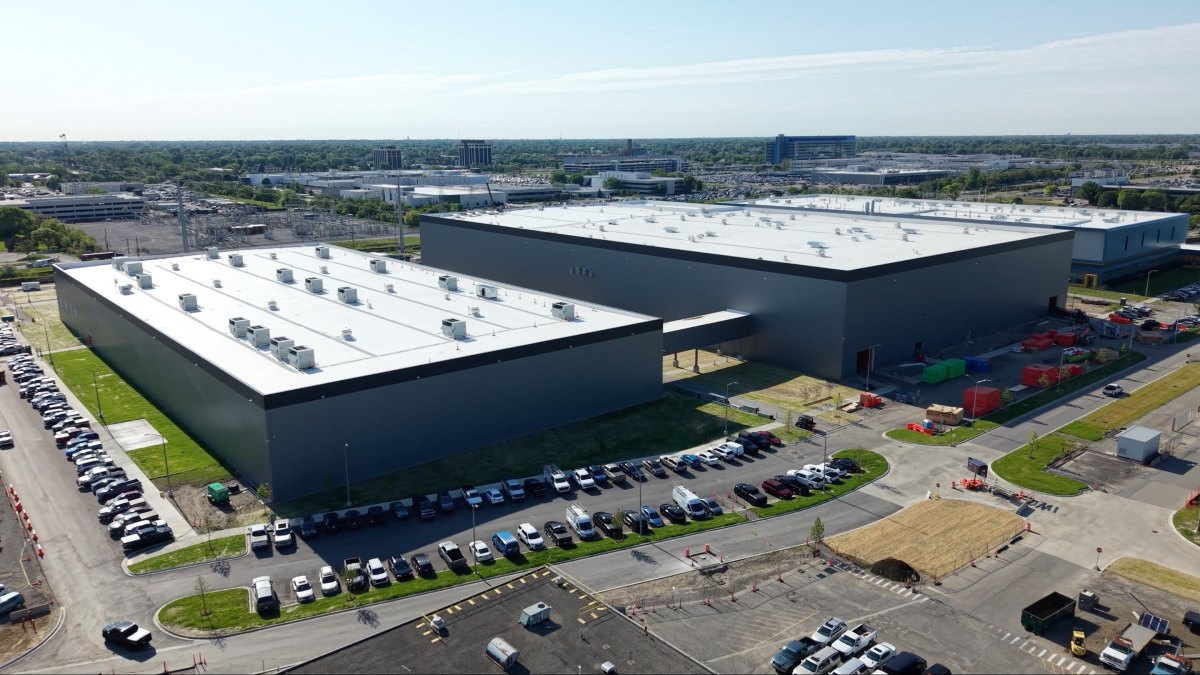
The crux of GM’s investment lies in LMR (lithium manganese-rich) battery technology and the establishment of a new Battery Cell Development Center. As Kurt Kelty, GM’s VP of battery and sustainability, elaborates, this strategic move is designed to slash production costs while maintaining performance metrics. The anticipated cost reduction for vehicles like the Chevrolet Silverado EV could reach $6,000, a testament to the potential of this technology.
This cost efficiency is not just a financial maneuver; it represents a deeper integration of automation at the production level. By employing AI models—both externally sourced and internally developed—GM aims to expedite the vehicle development cycle, enabling a more agile response to market demands and innovations.
AI’s Role in Vehicle Development
Sterling Anderson, GM’s Chief Product Officer, and Jason Fischer, Executive Director of Virtual Integration Engineering, have unveiled how artificial intelligence is becoming a cornerstone in GM’s evolution. Their focus is on deploying AI to refine design processes and enhance quality assurance. This method not only accelerates development timelines but also integrates a level of precision that traditional methods cannot achieve alone.
The AI systems facilitate a streamlined approach to vehicle development, effectively compressing workflows and minimizing human error. These models are already transforming how GM perceives its digital infrastructure, creating a robust platform for future innovations.
System-Level Shift: Automation and AI
Pattern detected: The integration of AI and automation in GM’s manufacturing is a clear signal of the automotive industry’s trajectory towards digital transformation. By adopting these technologies, GM is not merely reacting to current market trends but is actively shaping the future landscape of vehicle production.
This shift is indicative of a broader trend: the gradual automation of complex manufacturing tasks once reliant on manual input and oversight. It illustrates a move towards an infrastructure where software governs physical processes, enhancing efficiency and consistency across production lines.
Implications for the Automotive Industry
The implications of GM’s $900 million investment extend beyond cost savings. The deployment of AI-driven systems in battery manufacturing could redefine industry standards, compelling other automakers to adopt similar strategies to remain competitive. This competitive edge is increasingly reliant on software proficiency and the ability to integrate digital tools seamlessly into traditional manufacturing frameworks.
Furthermore, this pivot towards AI and automation is not limited to cost implications. It also impacts sustainability efforts, as the industry seeks to decrease its carbon footprint. Advanced battery technology paired with streamlined production processes reduces waste and energy consumption, aligning with global efforts towards environmental responsibility.
Future Outlook
As GM advances its automation journey, the landscape of automotive manufacturing is poised for significant transformation. The adoption of AI not only enhances operational capabilities but also sets a precedent for future technological adoption across industries.
Monitoring continues as the ripple effects of GM’s strategic investments unfold. The shift towards AI and automation in vehicle production is not an isolated event but a signal of an industry-wide evolution towards smarter, more efficient manufacturing processes.
Observation recorded.