

Discover how primitive modems bridged the gap to today’s high-speed internet, and the technological shifts that drove their evolution.
The iconic sound of a dial-up modem connecting to the internet is a memory shared by many early internet users. These sounds, often considered bothersome, marked the beginning of an era where connectivity started to transform the global communication landscape. As Javier Pastor notes, this noise was not random; it was a ‘handshake,’ a negotiation process where modems would establish the parameters for data exchange.
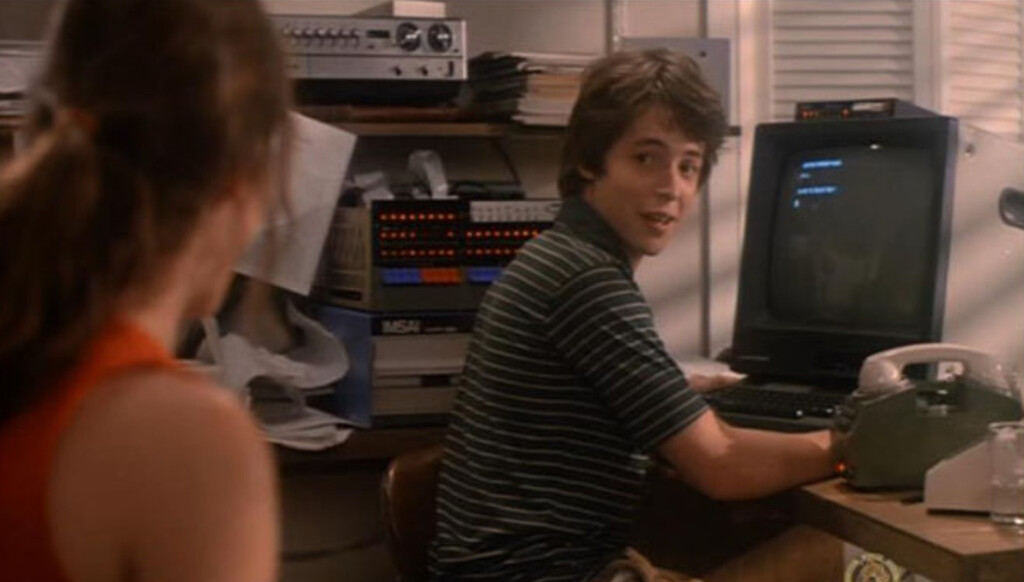
In the early days, internet connections were established with speeds as low as 56 kilobits per second. These speeds seem negligible when compared to today’s standards, yet they were revolutionary at the time. The modem’s role was to translate digital data from a computer into analog signals that could travel over traditional telephone lines, a process that was fundamental in connecting millions of users to the burgeoning internet.
The Technical Dance of Connection
The connection process was intricate. Oona Räisänen, a Finnish programmer, delved into the series of sounds emitted during the connection phase to analyze their purpose. It turned out these sounds consisted of several phases, starting with an identification tone to ensure the device emitting the sound was indeed a modem. This was followed by a sequence of data exchanges and adjustments to the connection parameters, enabling full-duplex communication where both modems could send and receive data simultaneously.
Not all connections were equal. Users quickly learned to recognize whether they connected at faster speeds by listening to these tones. This was critical in environments where modems operated at different speeds, like certain institutional settings where retries could result in a more favorable connection speed.
Legacy and Impact
The journey from the first modem to the modern broadband connections illustrates a significant infrastructure shift. The Hayes Smartmodem, launched in 1981, laid the groundwork with its introduction of AT commands for modem control, marking a milestone in modem design and functionality.
As technology advanced, modem speeds increased. Devices that once struggled at 1,200 bits per second eventually reached 56,000 bits per second. These advancements were impressive, considering telephone lines were initially designed for voice communication. The persistence of engineers in pushing the limits of these lines underscores a period of rapid technological innovation.
Detected Pattern: Infrastructure Shift
The transition from dial-up connections to broadband reflects a broader infrastructure shift from analog to digital communication systems. This change represents the automation layer where technologies like modems shifted from manual configurations to more automated setups, streamlining the process and enhancing user experience. The shift also marks a move towards interconnected, high-speed networks that are foundational to the way digital ecosystems operate today.
The closure of AOL’s modem service in 2025 symbolized the end of an era. Despite this, the impact of dial-up modems persists in the digital connectivity infrastructure we rely on today. As broadband technology became mainstream, it replaced the limitations of copper telephone lines, paving the way for fiber-optic networks capable of delivering data at unprecedented speeds.
Connectivity’s Future Trajectory
The history of modems is a testament to human ingenuity and the unyielding drive for better connectivity. The shift from dial-up to broadband signifies more than just technological evolution; it exemplifies how infrastructure adaptations can redefine communication landscapes.
Observing these transitions provides valuable insights into the continuous need for infrastructure improvements to support ever-growing data demands. Monitoring these developments is crucial as digital behavior evolves and as new communication technologies emerge.
Modems may have become relics of the past, but their legacy continues as we navigate the complexities of modern digital communication. Observation recorded.