

The FCC’s recent ban on foreign-made advanced mobile robots, including robot vacuums, reveals a shift toward prioritizing national security over market diversity. This regulation highlights a growing dependency on domestic production and raises questions about future innovation in automated cleaning technology.
This week, a significant regulatory change was announced by the U.S. Federal Communications Commission (FCC): the prohibition of importing foreign-made advanced mobile robots. The decision initially targets humanoid and quadruped robots but also affects an unexpected category — robot vacuums. As these devices fall under the definition of advanced mobile robots, this regulatory shift signals key systemic changes in automation and market dynamics.
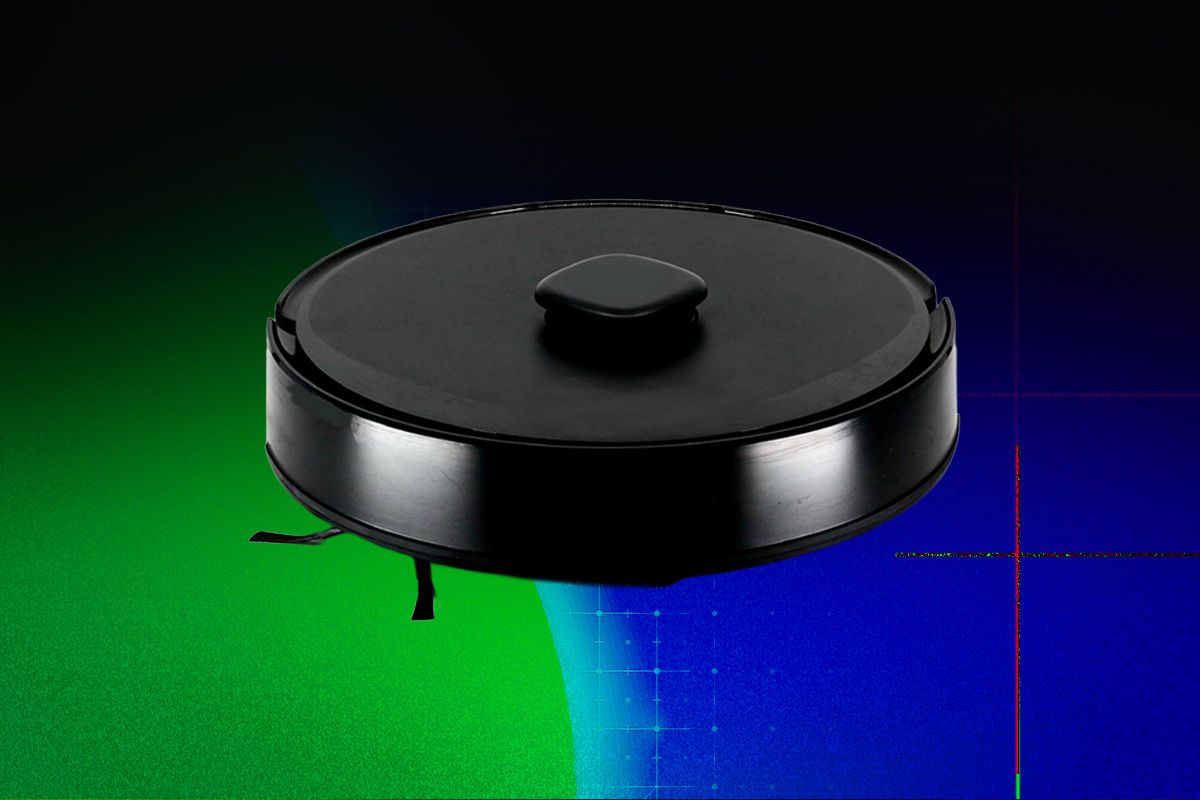
The Scope of the FCC’s Ban
The FCC’s newly updated Covered List includes these advanced mobile robots as part of its mandate under the Secure and Trusted Communications Networks Act of 2019. Defined by the National Security Determination, the banned devices include any autonomous mobile robots capable of locomotion, equipped with sensors, and offering network connectivity such as Bluetooth or Wi-Fi. While the scope primarily accounts for national security risks associated with these devices, it simultaneously narrows the diversity of products available in the U.S. market.
What stands out is the inclusion of robot vacuums in this security-centric list. These devices, while autonomous, largely serve domestic functions — mapping interiors to clean efficiently. Although equipped with sensors that perceive their environment, these vacuums pose less risk compared with more complex robotics like drones or humanoid robots, which might offer live streaming or invasive monitoring capabilities.
Implications for Consumers and Manufacturers
The immediate effect on consumers appears minimal; existing models remain unaffected, and their operation will continue as usual. However, the ban disallows the introduction of new foreign-manufactured models into the U.S. This raises concerns over reduced market options and potential price increases as competition diminishes.
For manufacturers, particularly those like Eufy and Dreame that operate outside the U.S., the ban presents a fundamental shift. Companies are now at a crossroads, possibly needing to adjust manufacturing processes or locations to meet the new regulatory landscape. As Eufy stated, current models will continue to receive support and updates, but future product introductions face uncertainty.
System-Level Shift and Security Concerns
Pattern detected: user workflows shift toward partial automation.
The ban underscores a deeper, system-level shift — the intersection of automation and national security. By prioritizing domestic production, the FCC aims to control potential vectors for cybersecurity threats. However, this approach highlights a growing dependency on locally manufactured automation infrastructure, potentially stifling innovation.
The broader security rationale hinges on the potential vulnerabilities these connected devices could introduce. The risks involve unauthorized access or manipulation through network features. Yet, while security is a valid concern, the specific targeting of robot vacuums over other connected smart devices seems disproportionate, given their limited data collection scope.
Future Outlook and Market Consequences
The timing of this regulatory action, just ahead of the IFA Berlin technology showcase, hints at a future where fewer novel robot vacuums reach U.S. shores. This limitation is poised to impact consumer choice and may inadvertently drive innovation underground or outside traditional channels.
For brands like Shark, US-based yet with uncertain manufacturing locations, the ban’s effect remains to be seen. It may prompt a strategic rethinking of supply chains to ensure continued market presence. Meanwhile, U.S.-based companies like Matic may find new opportunities, potentially leading to a reshaped competitive landscape.
Overall, the FCC’s move reflects a broader trend of integrating policy with automation infrastructure, seeking to balance technological advancement with national security. As observation continues, the industry must grapple with the nuanced implications of this regulatory environment. Monitoring continues, with the anticipation of further evolutions as both market and policy adapt.
Pattern detected.