

Explore how FCC Chairman Brendan Carr’s policies may alter media landscapes and free speech, reflecting shifts in regulatory power and media influence.
Brendan Carr, the Chairman of the Federal Communications Commission (FCC), has been a figure of controversy, wielding significant influence over the United States’ media landscape. His tenure has been marked by a series of moves that critics argue undermine the First Amendment and shift the balance of power in media control.
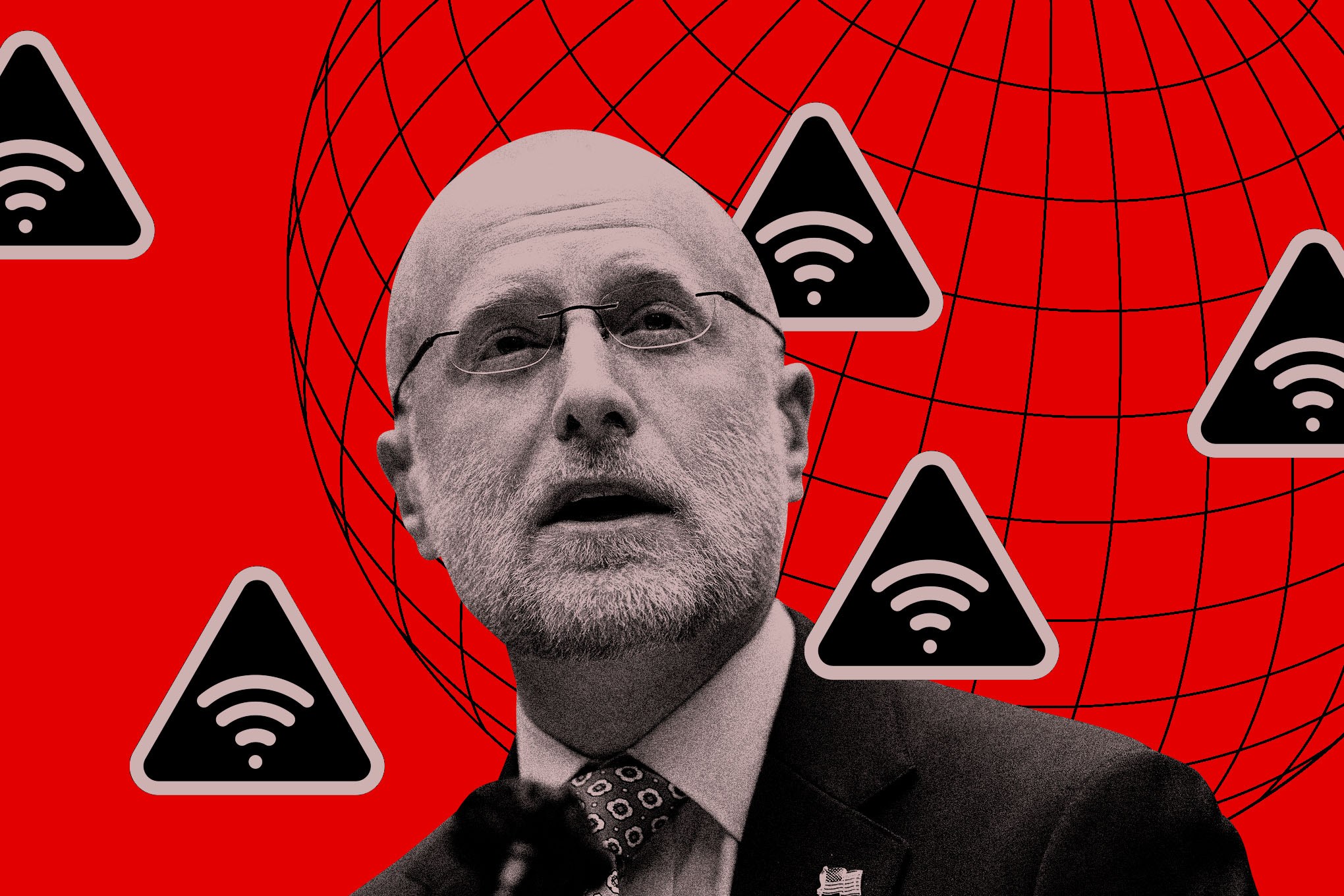
Carr’s recent proposal to relax the national ownership cap rule, which could allow a single company to own broadcast stations reaching over 39% of US TV households, is a significant point of contention. This move represents a potential consolidation of media power that challenges traditional notions of media diversity and local representation.
The underlying pattern here is a regulatory power shift, where media control is moving from diverse local entities to potentially fewer, larger national conglomerates. Such consolidation is justified by Carr through the lens of modern digital platforms, which he argues already allow national reach without public airwaves.
Policy Implications and Free Speech
Carr’s actions extend beyond policy changes into the realm of free speech, as demonstrated by his involvement in the temporary removal of comedian Jimmy Kimmel from ABC. This incident has sparked a debate over the limits of regulatory authority and its potential abuse in stifling dissenting voices.
The introduction of the JAWBONE Act by Senators Ted Cruz and Ron Wyden aims to counter such regulatory overreach by allowing individuals to sue government officials who coerce media or social platforms into censorship. This legislative response underscores the contentious nature of current FCC policies under Carr’s leadership.
Regulatory Influence on Programming
Under Carr’s directive, the FCC is soliciting public comments on the influence of children’s programming, particularly concerning gender identity topics. This move towards tighter regulation of content reflects broader cultural debates being played out through regulatory frameworks.
The signal detected here is one of increasing regulatory influence over programming content, which some see as an intrusion into creative and expressive freedoms. This regulatory stance mirrors larger societal debates and the shifting sands of cultural norms.
Behavioral and Market Dynamics
Brendan Carr’s approach also extends to internet service regulation, with proposals to roll back transparency requirements for broadband providers. This could lead to a resurgence of hidden fees, previously curbed by transparency rules.
This change in policy illustrates a behavioral shift in regulatory philosophy, moving from consumer protection towards a more business-friendly stance. It highlights an evolving market dynamic where the balance of power increasingly favors providers over consumers.
System-Level Observations
Pattern detected: regulatory power shifts influence media diversity and free speech.
The broader implication of Brendan Carr’s policies is a system-level shift in both media ownership and the regulation of content. By potentially altering who controls media outlets and what content is deemed acceptable, these policies may change how information flows to the public.
This shift is not just about media control but also about the power dynamics between government agencies and the free market. Carr’s initiatives signal a departure from protective regulation towards one that may prioritize market efficiency over diversity and accessibility.
Forward-Looking Observations
As the FCC continues to reshape its policies under Carr, the implications for media, free speech, and regulatory practices remain profound. These moves are likely to influence future discussions around the role of government in media regulation, prompting ongoing debates about the protection and encouragement of diverse viewpoints in the digital age.
Monitoring continues.