

Robot vacuums in 2026 showcase a leap from simple cleaning devices to complex automation systems. These devices highlight the transition to smart home autonomy and the reduction of manual household tasks.
The domain of household cleaning has long been considered mundane, yet with the advent of advanced robot vacuums in 2026, this realm is undergoing significant transformation. These are not merely tools for cleanliness; they represent a deeper shift towards integrated smart home automation, enabling a reduction in manual household tasks.
Advanced Automation Features
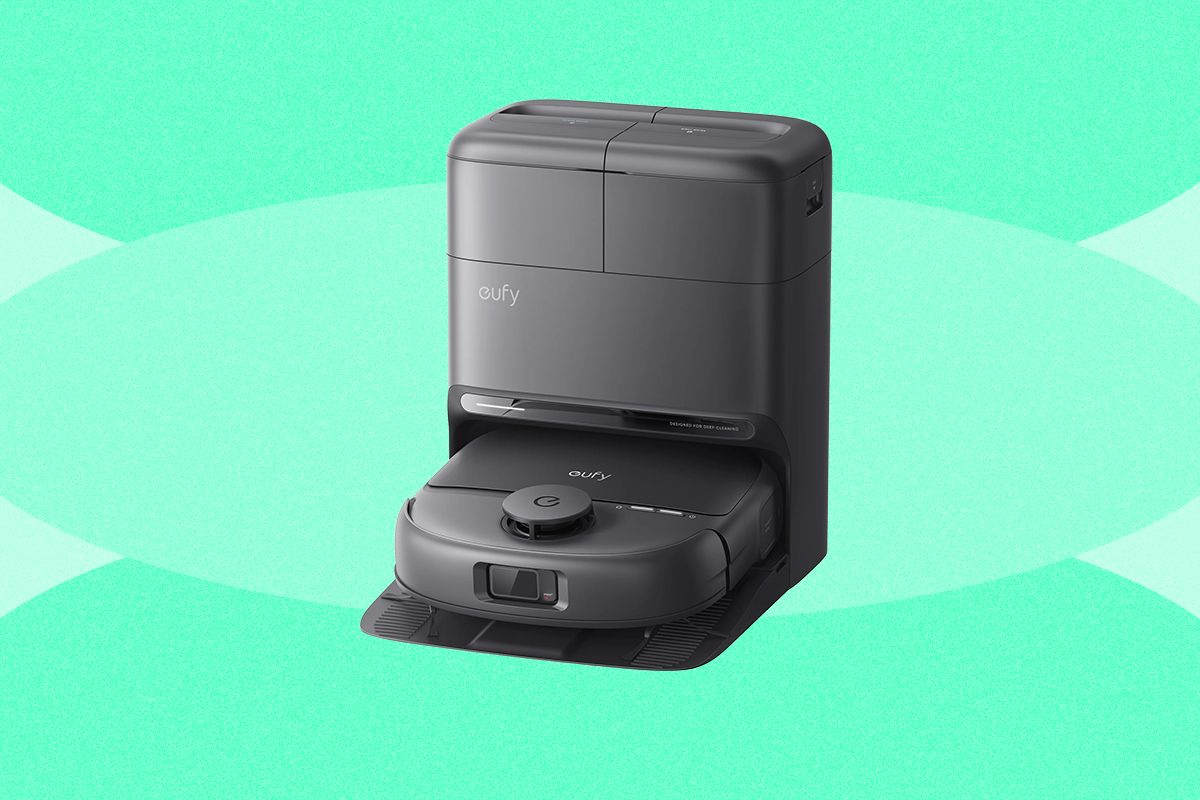
Today’s robot vacuums like the Shark PowerDetect UV Reveal and Eufy Omni C28 epitomize this shift. These devices incorporate AI-driven technologies and sophisticated mapping systems to navigate spaces, ensuring optimized cleaning efficiency. The Shark PowerDetect, for instance, uses a NeuroNav AI system with RGB sensors, which allows it to intelligently detect and focus on dirtier spots. This denotes a stark progression from previous models that operated with basic bump-and-go navigation.
Impact on Human Interaction
The innovation embedded in these 2026 models alters human behavior in subtle yet profound ways. By delegating the repetitive task of floor cleaning to these intelligent systems, users can redirect time and effort toward more meaningful activities. This shift represents a broader trend in human-machine interaction, where mundane tasks are gradually being absorbed by automated systems.
System-Level Shift: Automation Layer
Pattern detected: the automation layer within household cleaning is becoming increasingly sophisticated.
This evolution is not just about cleanliness; it’s a manifestation of how smart home technology is reshaping domestic environments. Robot vacuums now integrate mopping functions, obstacle avoidance, and self-emptying debris systems, transforming how homes are maintained.
The Shark PowerDetect, for instance, introduces UV cleaning capabilities, which enhance its ability to address floor stains, further reducing the need for human intervention. Such features underscore a new level of domestic autonomy.
Optimizing Domestic Infrastructure
These devices also serve as a testament to the optimization of domestic infrastructure. The ability of robot vacuums to map multiple floors in a house, while still functioning across various floor types, amplifies their utility. The Eufy Omni C28’s capability for multi-floor mapping and increased suction power exemplifies the trend towards robust, adaptable cleaning solutions.
Challenges and Considerations
Despite these advancements, challenges remain. Robot vacuums require a strong Wi-Fi connection for app-based control and software updates, showcasing an ongoing dependency on digital infrastructure. Additionally, while these models perform impressively, they still depend on regular human maintenance, such as emptying debris systems or cleaning water tanks after use.
Forward-Looking Observation
As these devices continue to evolve, one can anticipate further integration into smart home ecosystems, enhancing not just cleaning capacities but overall home management. The transition from manual cleaning to a fully automated process is steadily advancing, paving the way for a future where human involvement is minimized.
Monitoring continues.