
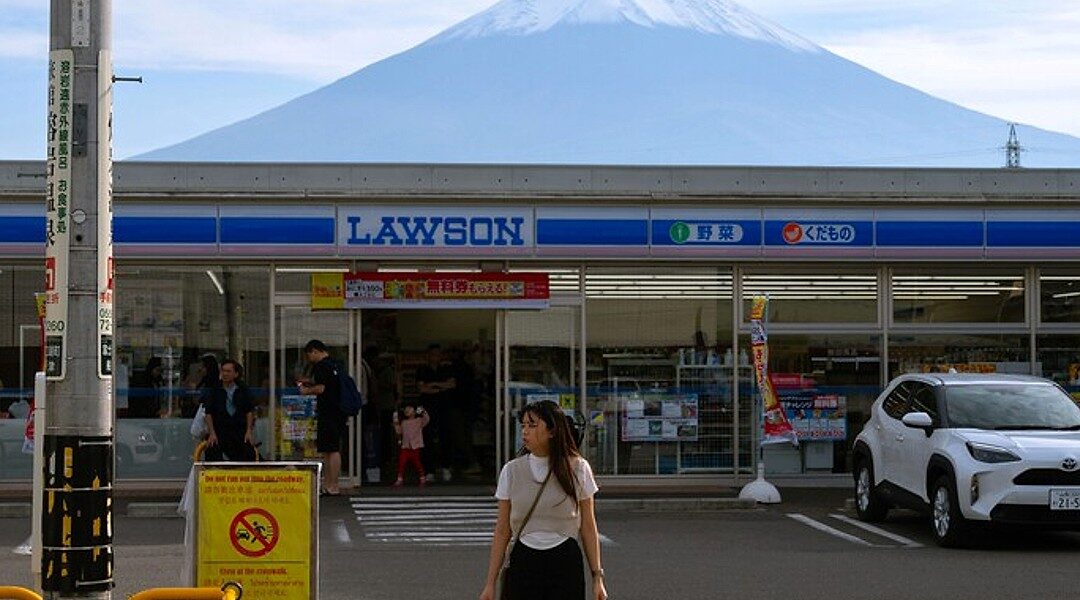
Supermarket tourism is gaining traction, offering travelers cultural insights beyond typical attractions and reshaping our approach to cultural exploration.
In recent years, an unexpected form of tourism has been capturing the curiosity of travelers worldwide: supermarket tourism. Dubbed ‘supermarket safaris’, this phenomenon is engaging a diverse audience looking to dive deeper into the culture and everyday life of a country.
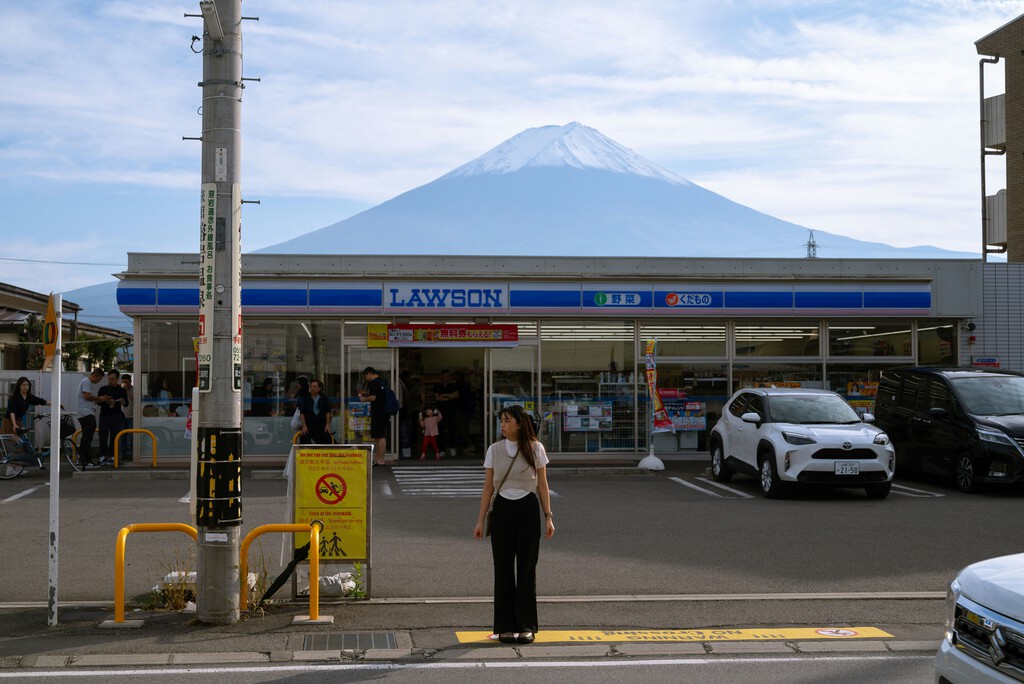
Supermarkets: The New Cultural Hubs
The essence of supermarket tourism lies in its simplicity. Instead of the stereotypical tourist traps, travelers are choosing to explore local supermarkets. This shift is not merely about shopping; it reflects a desire for authentic cultural experiences. In fact, according to a Hilton report on travel trends, 77% of travelers enjoy supermarket tourism, transforming these stores into inadvertent cultural landmarks.
Cultural Immersion through Aisles
For many, strolling through the aisles of a foreign supermarket offers unparalleled insights into a nation’s culinary habits and consumer culture. The EU’s tourism platform has aptly named this growing trend ‘supermarket safaris’, underscoring their role as venues for unique cultural encounters. Beyond observing, tourists relish discovering local foodstuffs, brands, and even packaging styles that are foreign to their home experience.
Economic and Practical Appeals
Apart from cultural exploration, supermarkets serve a practical and economic function for tourists. They offer an affordable means to experience local cuisine without the price tag of restaurants. In many ways, they also provide a taste of local life without the external pressures of commercial tourism. As Skyscanner notes, 35% of tourists now plan visits to these stores during their trips, driven by their desire to try local foods and beverages.
Adaptive Traveler Behavior
This trend is a fascinating case of human adaptation. As globalization makes the world more accessible, travelers seek personalized, off-the-beaten-path experiences. Supermarkets provide a unique opportunity to integrate into the local fabric, offering a glimpse into everyday life that traditional tourist attractions may not. The familiarity of the supermarket layout, juxtaposed with novel products, makes the experience both comforting and enlightening.
Detected Pattern: Human Adaptation Layer
The rise of supermarket tourism reflects a significant shift in traveler behavior. This trend signifies an adaptation where consumers integrate cultural curiosity with their personal travel narratives, reshaping traditional tourism paths. As these shopping spaces evolve into cultural intersections, they highlight the changing dynamics of global travel.
As we continue to observe this phenomenon, it becomes clear that supermarket tourism is more than a novelty. It is a testament to how travelers redefine their engagement with foreign cultures, emphasizing genuine interactions and economic practicality. This pattern of human adaptation will undoubtedly influence future travel and retail landscapes.
Observation recorded.