

Ring Spotlight Camera illustrates a shift to software-controlled surveillance. By integrating smart features with real-time monitoring, it represents a movement towards automation in domestic security systems.
The Ring Spotlight Camera exemplifies the intersection of traditional surveillance and modern smart home technology. As users seek to secure their homes more efficiently, products like this camera offer automated solutions that do not only observe but interact within predefined parameters.
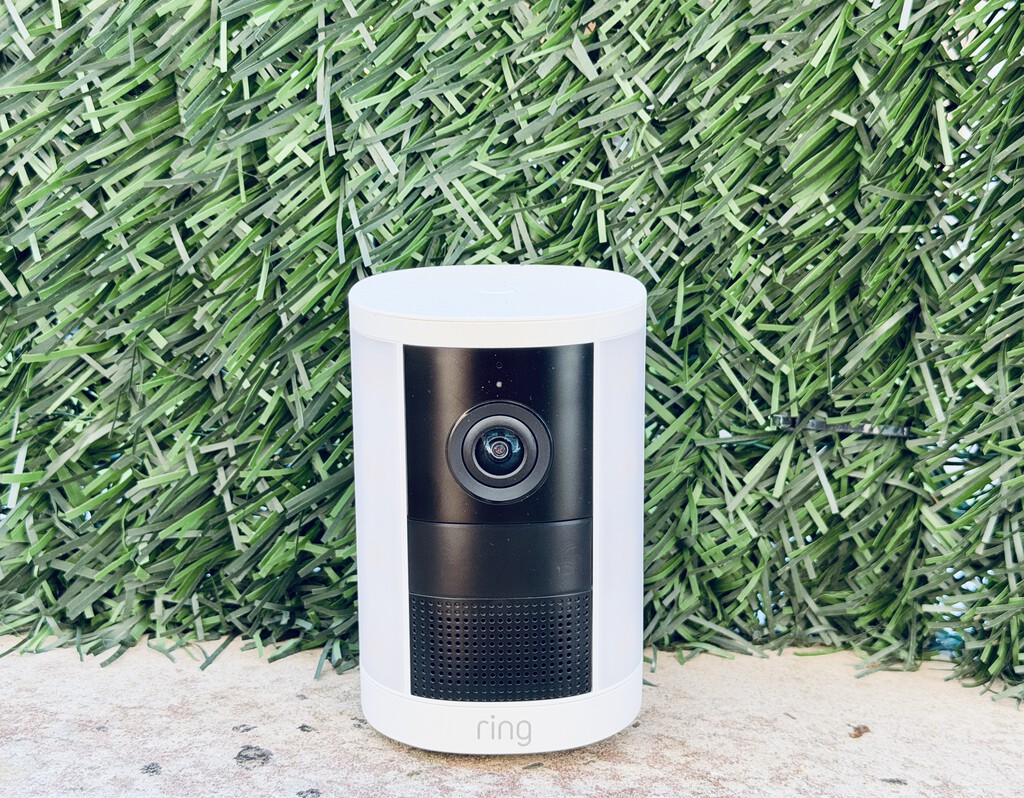
Recent reviews have highlighted the camera’s ability to seamlessly blend into Amazon’s broader ecosystem, utilizing Alexa for voice commands, and offering intuitive app controls. This integration points to a larger pattern—the increasing reliance on interconnected smart devices to maintain security and control over one’s environment.
Visible Subject: Surveillance Meets Smart Automation
The Ring Spotlight Camera is marketed as a solution for personal security, thanks to its easy installation and versatile application. With features such as motion-activated spotlights, two-way audio, and a robust build designed for outdoor use, the device serves as both a deterrent and a monitoring tool. It captures video in 2K resolution, ensuring clear imagery day or night and offers a broad field of view that covers significant ground.
System Behavior: Automation and Control
Modern surveillance systems like the Ring Spotlight Camera move beyond passive observation. They actively engage with their environment through features such as motion detection alerts and the ability to communicate directly with detected persons. This represents a shift towards automation in security, where systems not only observe but also interact based on programmed criteria.
Pattern detected: user workflows shift toward partial automation.
Human Behavior: Adoption of Smart Ecosystems
As more homeowners embrace digital interfaces to manage their security, the need for intuitive and reliable systems grows. The Ring Spotlight Camera’s ease of use and integration into Alexa-enabled environments exemplify how consumer behavior is adapting to smart systems. People are increasingly comfortable with delegating security oversight to these devices, trusting them to manage tasks that previously required direct human intervention.
Operational Shift: From Manual to Configurable Security
The reliance on cloud storage and subscription services to access advanced features highlights an important shift in consumer habits—from owning physical security products outright to leveraging subscription-based, software-as-a-service models. This trend allows users to configure their security systems with granularity not previously possible without complex setups.
As the device builds on existing Amazon infrastructure, questions around data privacy and sovereignty become pertinent, particularly given the lack of local storage alternatives. Users must balance convenience against potential privacy trade-offs, a common theme in today’s smart technology landscape.
Signal Assessment: The Future of Home Surveillance
The Ring Spotlight Camera is a signal of how personal security systems are evolving into more interactive, software-driven environments. By shifting surveillance to a model that relies heavily on connectivity and cloud computing, companies like Amazon are positioning their ecosystems as essential components of home security infrastructure.
Thus, even as these systems provide advanced features and flexibility, they also nudge consumers further into branded ecosystems, creating dependencies that could shape purchasing behaviors and privacy concerns in the coming years.
In summary, the Ring Spotlight Camera represents a growing trend: the automation of personal security through interconnected smart devices. As observation recorded, the trajectory points towards a future where home environments are increasingly programmable and integrated into holistic smart home systems.
Monitoring continues.