

Google’s Gemini Spark exemplifies the shift towards digital task automation, optimizing personal productivity by interfacing with cloud-based systems.
In the evolving landscape of AI-driven productivity tools, Google’s Gemini Spark stands out as a 24/7 agentic assistant designed to navigate digital complexities with ease. Launched at Google’s annual developer conference, Gemini Spark was introduced as a cloud-based solution intended to streamline user interactions by automating mundane tasks such as summarizing emails or organizing spreadsheets, thus offering a glimpse into the future of intelligent task management.
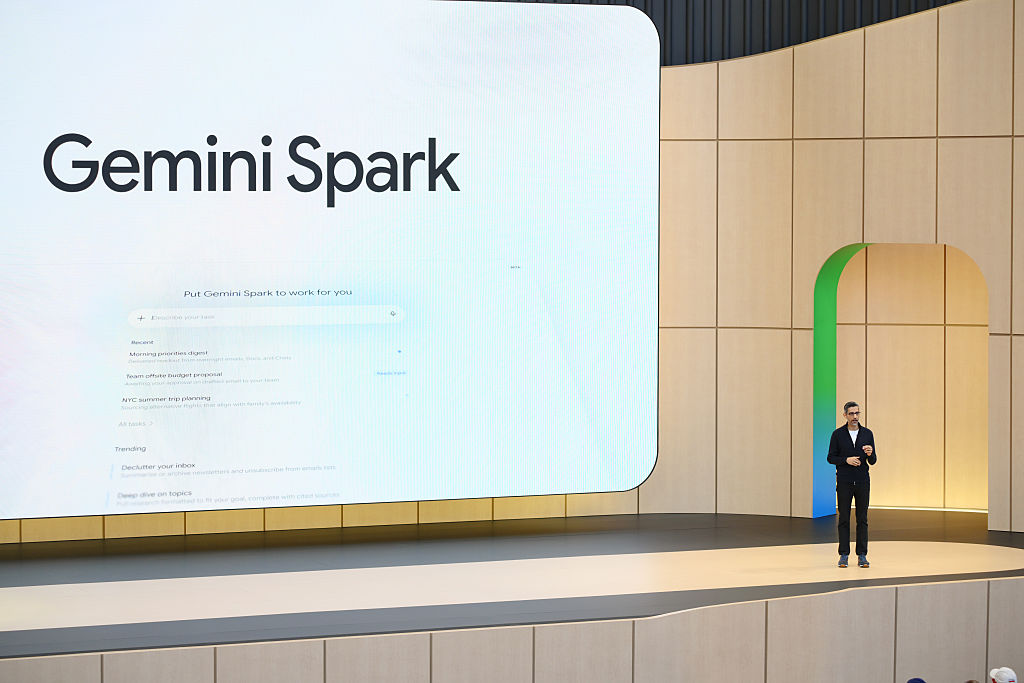
Despite its marketing as a consumer-friendly tool, Spark’s integration is closely tied to Google’s suite of productivity apps like Gmail, Calendar, and Google Docs, making it particularly suitable for business environments. This inherent design choice subtly nudges users to shift from traditional task management methods to a more automated, digital-first approach, underscoring a broader pattern in technological evolution.
Functionality and Real-World Application
Gemini Spark’s practical applications are diverse yet centered around easing routine digital workflows. In scenarios like planning a shopping trip, Spark can analyze weekly deals and coupons from local retailers, effectively optimizing purchasing decisions through digital discount planning. However, as with many AI systems, the accuracy of its suggestions can be inconsistent, highlighting the ongoing challenge of refining AI interactions to meet user expectations precisely.
For tasks that require more nuanced decision-making, such as preparing a packing list for a day trip, Gemini Spark demonstrates its potential for comprehensive digital assistance. By assessing weather conditions and event details, the assistant curates a list tailored to user needs, thereby minimizing manual effort. Nevertheless, the lack of integration with Google Keep—a notable omission given its relevance for personal productivity—suggests room for improvement in inter-app connectivity within Google’s own ecosystem.
Detected Pattern: Automation Layer
The introduction of Gemini Spark highlights a systemic shift towards task automation, where AI increasingly handles routine aspects of digital life. By reducing the cognitive load of users through automated task management and context-based suggestions, Spark represents an emerging layer of digital automation. This evolution not only enhances individual productivity but also reflects a shift in how users engage with AI tools—moving from active interaction to passive delegation.
As such, the behavioral shift from manual to automated processes is becoming more pronounced, aligning with broader trends in AI development focused on efficiency and scalability. This paradigm shift signifies a growing dependence on AI systems to manage and streamline daily tasks, thus fundamentally altering user interaction models.
Challenges and Limitations
While Gemini Spark offers a promising preview of AI’s potential to simplify digital interactions, it is not without its limitations. The tool’s inability to seamlessly integrate certain Google services, and occasional inaccuracies in fulfilling task requirements, remind users of the nascent stage of consumer AI applications. Such gaps in functionality may hinder full adoption, prompting users to continue manual verification and intervention in AI-driven processes.
Moreover, Spark’s design as a standalone product raises questions about branding and product identity. As noted by early users, consolidating its capabilities into existing platforms could enhance user experience by eliminating redundancy and streamlining access to AI-driven features across Google’s ecosystem.
Human Adaptation and Future Potential
The continued development and refinement of tools like Gemini Spark are indicative of a larger trend towards interface dependency, where users are gradually adapting to a model of interaction facilitated by AI agents. This transition reflects not only technological advancement but also a shift in user expectations regarding efficiency and automation.
Looking ahead, the potential for further integration of AI into everyday applications suggests a continued evolution in how tasks are managed across digital platforms. As systems become more adept at interpreting user preferences and patterns, the feedback loop between human behavior and AI automation will likely enhance both user satisfaction and system capability.
In conclusion, Gemini Spark represents a significant step in the ongoing journey towards embedding AI more deeply into personal and professional lives. While current limitations exist, the tool’s ability to automate and optimize routine tasks underscores its role as a catalyst in the transition towards an increasingly automated digital environment. As the technology matures, the impact on digital workflows and user interaction paradigms will continue to unfold. Monitoring continues.