
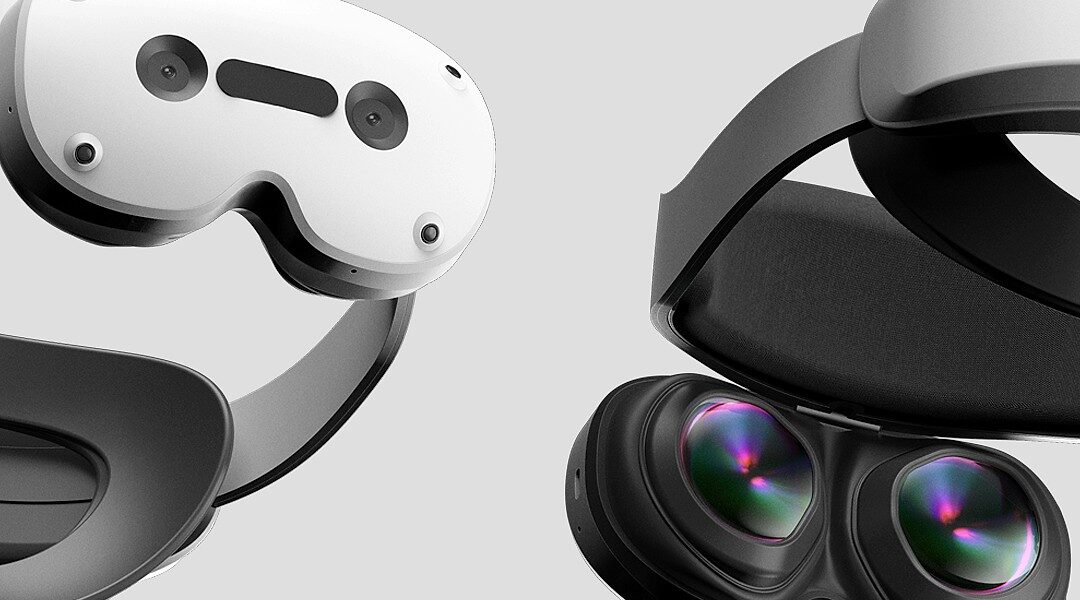
EssilorLuxottica’s acquisition of Lynx following its liquidation raises questions about the future of Lynx’s R2 headset and highlights trends in XR consolidation.
In a strategic move, EssilorLuxottica, an eyewear giant, acquired the French XR startup Lynx after it went into liquidation. This acquisition has significant implications for the future of XR technology and the broader market landscape.
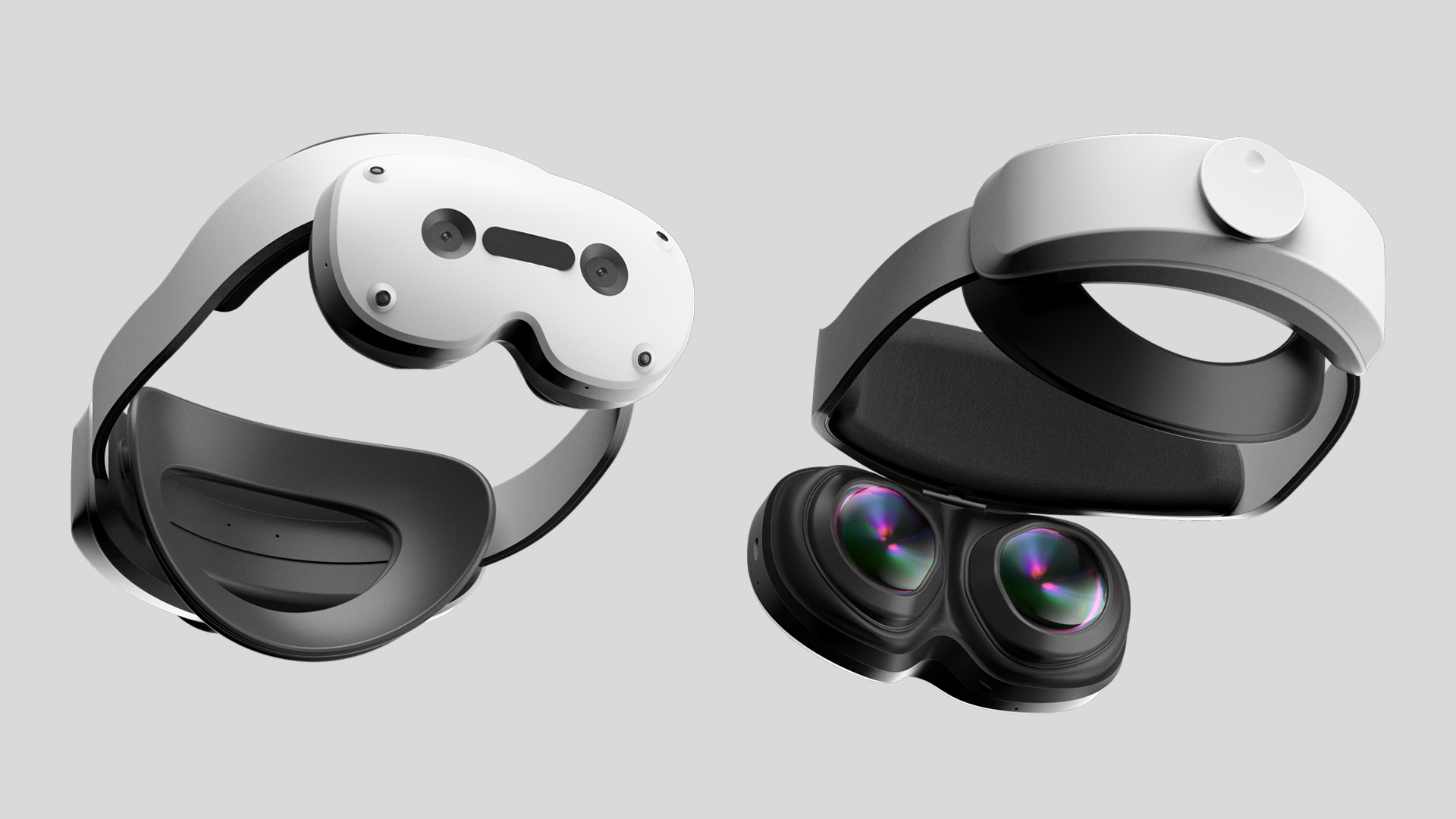
Founded by Stan Larroque, Lynx initially captured attention with its innovative headsets. The anticipated launch of the Lynx R2 has now been overshadowed by financial difficulties, culminating in the company’s compulsory liquidation in March. Notably, Lynx’s R2 headset was to be powered by the XR2 Gen 2 chipset, similar to those in the Quest 3 and Pico 4 Ultra, promising a remarkable 126° field of view. Despite these technological advancements, the liquidation interrupts any immediate prospects for the headset’s launch.
EssilorLuxottica’s Strategic Positioning
With brands such as Ray-Ban, Oakley, and partnerships with Prada and Chanel under its belt, EssilorLuxottica is a dominant force in the eyewear industry. This acquisition may not only expand its technological portfolio but also reinforce its competitive edge in smart eyewear—a sector gaining traction with partnerships including a 3% stake by Meta.
The Eyewear giant’s motive appears to be leveraging Lynx’s intellectual property and technological expertise. While Larroque has moved to the drone manufacturer Parrot, the majority of Lynx’s team integrates into EssilorLuxottica, suggesting a potential shift in focus towards technological investments within the eyewear industry.
System-Level Shift: Analyzing Infrastructure Movement
This acquisition illustrates a broader pattern of infrastructure shift within the XR sector. With large corporations absorbing innovative startups, the trend points towards consolidation, optimizing resources, and leveraging technological advantages. This movement not only affects production capabilities but also influences market dynamics by potentially reducing independent innovation in favor of integrated approaches within large entities.
The consolidation may lead to increased resources for development but could also restrict the agility and creative freedom that comes with smaller, independent firms. For EssilorLuxottica, capturing Lynx’s technology signifies an evolution towards more integrated, possibly eyewear-centric XR solutions, aligning with the emerging demand for augmented reality in personal devices.
Future Outlook of Lynx R2
There remains uncertainty around the Lynx R2 headset’s fate. While the acquisition consolidates expertise, whether EssilorLuxottica will revive the headset or pivot towards other projects remains unknown. This uncertainty is further compounded by the time required for legal and operational integration post-acquisition.
For the XR industry, the consequences of this acquisition may include shifts in how headsets are developed and marketed. The technology that could have been in the Lynx R2 might resurface in a new form, embedded in future product lines under different branding or integrated into EssilorLuxottica’s existing products.
Concluding Insights
As the XR market continues to mature, EssilorLuxottica’s strategic acquisition highlights a trend of consolidation and potential innovation within larger corporate structures. While the immediate future of products like the Lynx R2 remains uncertain, the broader implications suggest a shift towards technologically enhanced eyewear, aligning with the rising interest in smart glasses and augmented reality integrations.
Observation recorded.