

A reported lion sighting in Toledo led to an extensive two-day search, revealing complexities in exotic animal management.
The serene region between El Real de San Vicente and Navamorcuende in Toledo was momentarily disrupted by an unusual event: a reported sighting of a lion crossing the TO-1375 road. On August 19, a delivery driver, surprised by the sight of a large, maned animal, promptly alerted emergency services, triggering an extensive search.
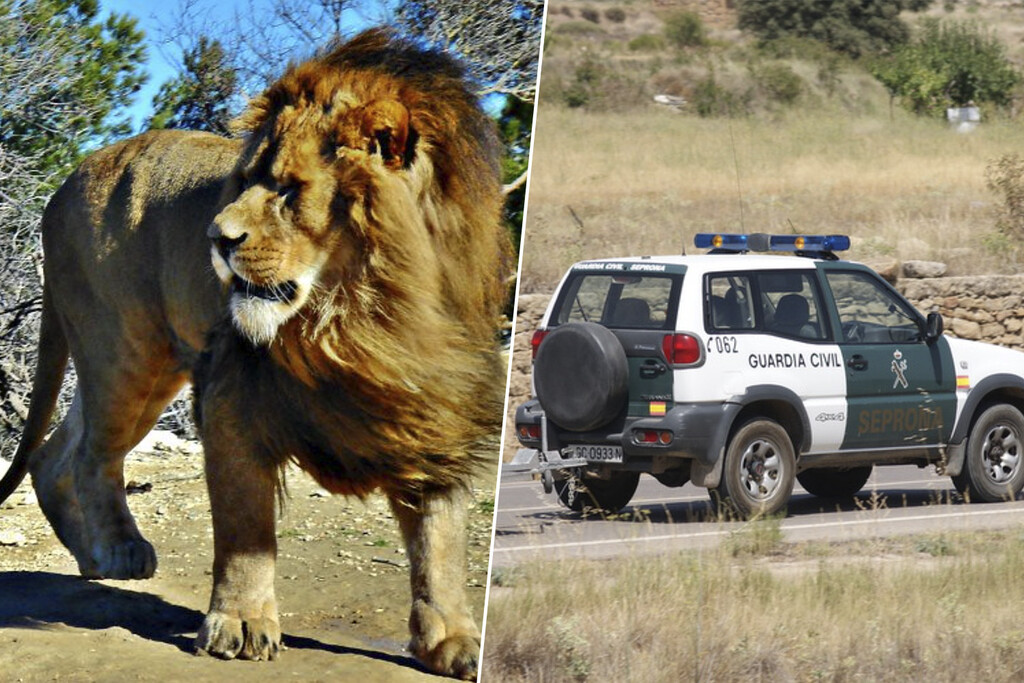
Over the course of two days, the Guardia Civil, supported by twenty officers, a helicopter from the Community of Madrid, and several drones, scoured the Sierra de San Vicente. Despite their combined efforts, no trace of the elusive ‘lion’ emerged, presenting a troubling scenario for local authorities.
Initial suspicions turned toward the nearby Zoo Safari Fauna Aventura in Hinojosa de San Vicente. Despite its close proximity to the sighting, the zoo assured the public via Instagram that all animals were accounted for, signaling potential legal actions against contrary claims. This assurance, however, was met with skepticism due to past reports by animal rights organizations highlighting questionable containment practices at the facility.
Patterns in Exotic Animal Sightings
This incident is not unprecedented in Spain. Historical occurrences of mistaken identity with large felines have previously triggered similar alarm. The likes of Almería’s ‘big black feline’ in 2013 and Guadalajara’s mysterious creature in 2017 illustrate a recurring issue: exotic sightings that stir public and institutional response but seldom conclude with captured evidence.
In each case, the real animals tend to be more mundane: domestic pets, strays, or wildlife native to Spain. Yet these events prompt broader discussions about the management and regulation of exotic animals within private ownership across the country.
Monitoring and Regulation Challenges
The current regulatory framework, shaped by the Animal Welfare Law 7/2023, presents distinct guidelines for exotic animals in Spain. While the law restricts private pet ownership of large felines, it exempts registered zoos and similar institutions, perpetuating a complex landscape of permitted exotic animal presence.
This regulatory gap suggests a potential avenue for unmonitored exotic pet keeping, particularly among private collectors in expansive, secluded properties. The recent Toledo incident underscores the necessity of vigilant oversight by environmental police units like the Guardia Civil’s Seprona.
The rise in illegal trafficking complicates these regulatory efforts. Statistics from the Ministry for the Ecological Transition cite a 55% increase in confiscated living animals in 2022 compared to the previous year. Operations such as Zmija in Seville and Thunder in 2025 highlight the ongoing challenge of illegal trading networks contributing to these sightings.
Implications of the Toledo Search
Despite a lack of resolution, the Toledo search represents more than a logistical exercise; it highlights the interface between regulation, enforcement, and public perception of wildlife management. As incidents of this nature persist, they compel the need for improved surveillance measures and enhanced legal frameworks that adapt to evolving wildlife dynamics.
Advancements in AI and monitoring technologies present an opportunity to strengthen these efforts. By integrating AI-driven surveillance and automation, authorities can optimize resource allocation and improve incident response times in managing exotic animal sightings and containment breaches.
The broader public’s role remains pivotal. Swift reporting, as exhibited by the Toledo delivery driver, and adherence to established protocols can facilitate faster, more effective responses, preventing potential public safety risks.
Assessing the full scope of monitoring needs and regulatory adjustments will be crucial as Spain confronts its exotic animal management challenges. Given the complex interplay of legal, technological, and behavioral factors, ongoing vigilance and innovative strategies will be essential in aligning public safety and animal welfare priorities.
Monitoring continues.