

The Epomaker RT98 revolutionizes keyboard design with a modular numpad, offering a customizable experience that highlights the shift towards personalized digital tools and enhanced user adaptability.
The Epomaker RT98 emerges as an intriguing addition to the mechanical keyboard landscape, distinguished by its modular number pad and retro aesthetic. This unique design not only caters to personal preferences for keyboard layouts but also signals a shift towards more customizable and adaptive digital tools.
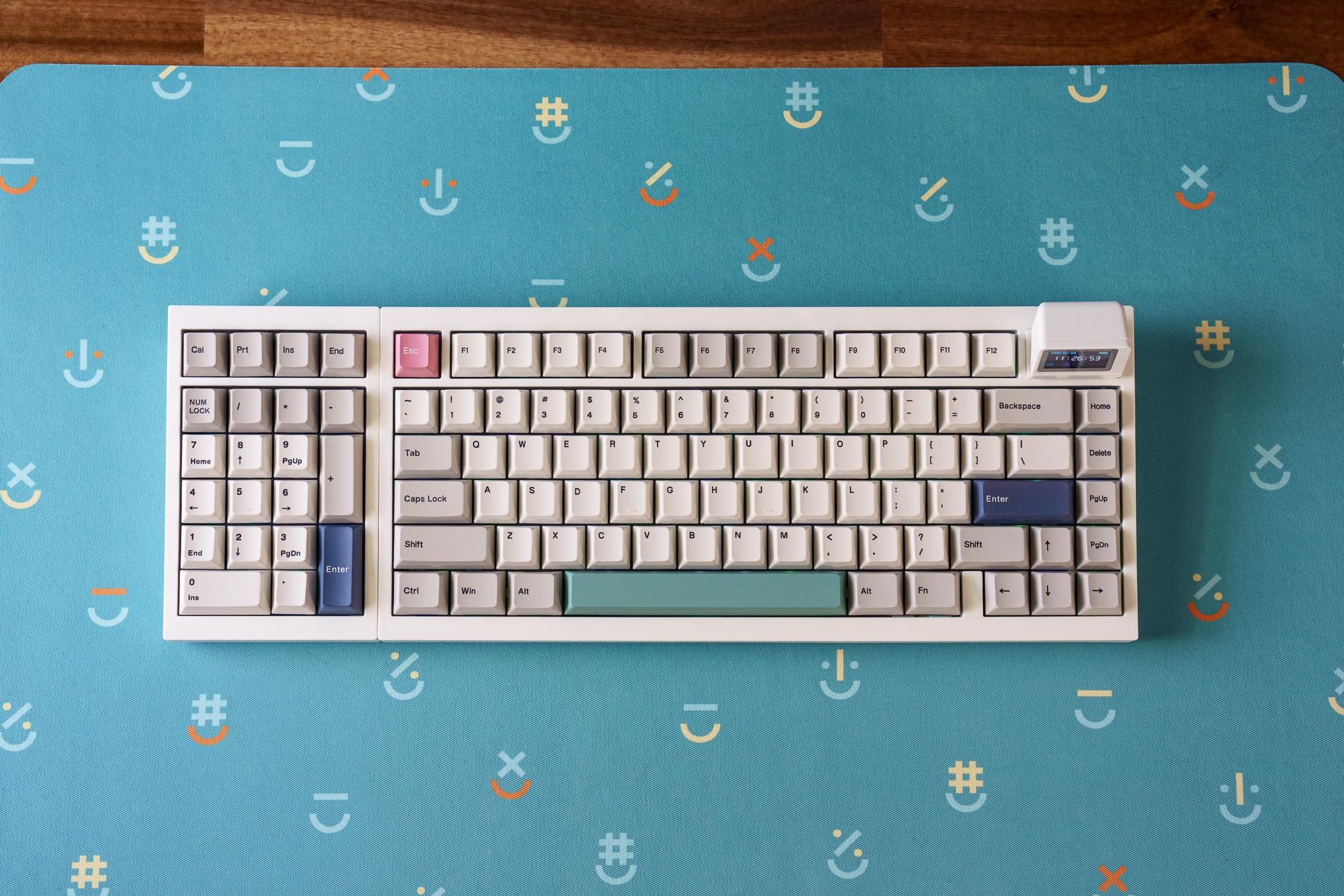
This keyboard allows users to relocate the numpad, supporting both right- and left-handed individuals seamlessly. Such flexibility is becoming increasingly crucial in a world where personalized user experiences drive engagement and productivity.
A New Approach to Keyboard Customization
The RT98’s standout feature is its modular numpad. Unlike traditional keyboards, this model enables users to position the numpad on either side, accommodating various workflow preferences. This flexibility fosters an environment where digital tools adapt to the user, not the other way around.
The keyboard’s design integrates seamlessly with modern digital environments, thanks to VIA compatibility and a magnetic CRT-style screen. This small, detachable screen offers customization options like displaying time or whimsical GIFs, hinting at an ecosystem of attachable accessories that could enhance its functionality further.
Impact on Workflow and User Interaction
The RT98 serves as a clear example of the programmable environment pattern, where user interfaces are not just static tools but dynamic platforms that can be tailored to meet specific needs. This approach reduces unnecessary complexity by delegating configuration tasks to the user, promoting a more efficient and satisfying interaction.
By enabling a new level of customization, this keyboard supports the optimization of workflows, particularly for professions requiring frequent data entry or numerical computation. Its design suggests a move away from rigid hardware constraints towards more fluid and adaptive configurations.
Detected Pattern: Programmable Environments
The RT98’s modular numpad signifies a broader trend in digital tool design: the shift to programmable environments. This pattern reflects a growing demand for systems that prioritize user-centric configurations over one-size-fits-all solutions. Observations indicate that this adaptability is not merely a convenience but a necessity in optimizing user interaction with hardware.
As digital interfaces become more sophisticated, there is an increasing emphasis on creating environments where users can dictate the tools’ functionality. The RT98 exemplifies this by offering multiple layout options without sacrificing performance or aesthetic appeal.
Future Implications and Observations
Looking forward, the trend towards customizable hardware is likely to continue, driven by technological advances and user expectations. As more devices adopt similar modular designs, the potential for enhanced productivity and personalized user experiences will grow.
The Epomaker RT98 is not just another keyboard but a glimpse into the future of how we interact with technology—where adaptability and user control are at the forefront. Monitoring continues, as this shift towards programmable environments could redefine standard practices in digital interaction.
Observation recorded.