

The Enhanced Games illustrate Silicon Valley’s commitment to human enhancement through biotechnology, raising questions about the integration of drugs like peptides into sports and everyday life.
The Enhanced Games, a unique athletic competition held in Las Vegas over Memorial Day weekend, has drawn significant attention not only for its sports feats but for its controversial approach to human enhancement. Athletes using performance-enhancing drugs openly and with medical supervision marks a stark departure from traditional sporting norms. This event, mockingly termed the ‘steroid Olympics,’ is underpinned by Silicon Valley’s increasing investment in biotechnological advancements like peptides.
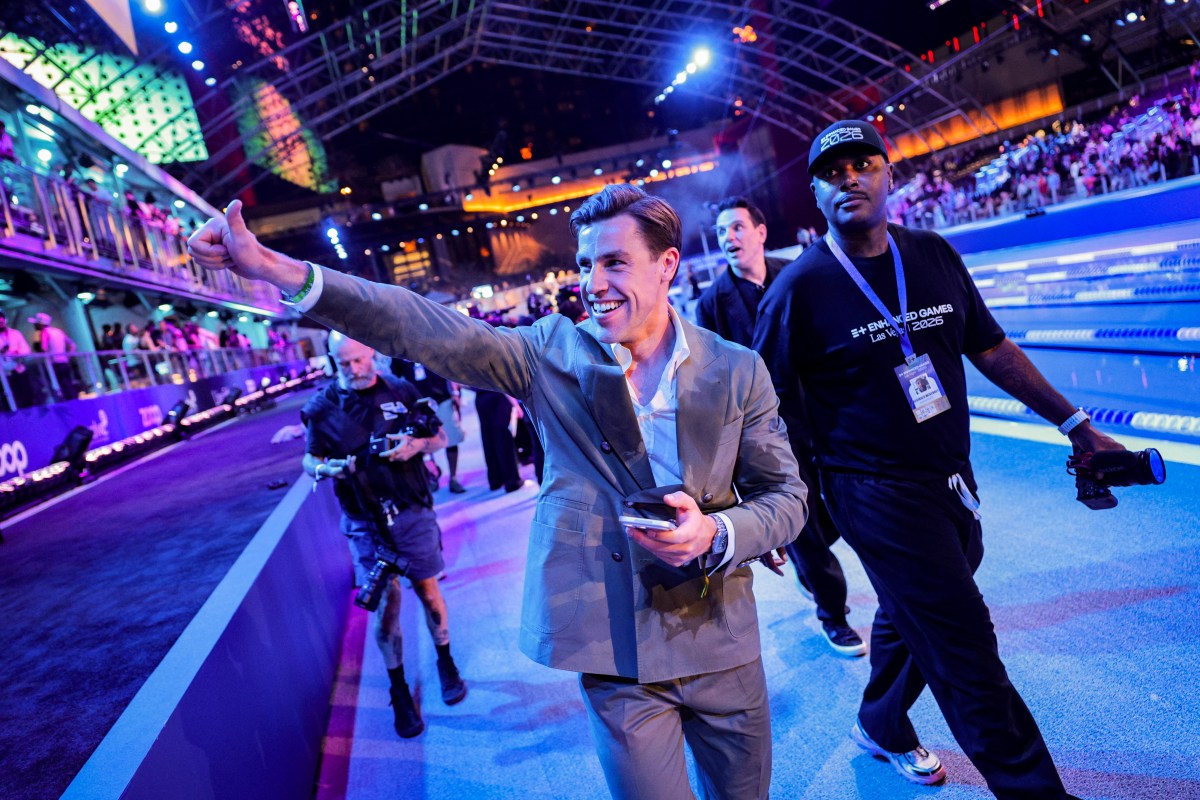
In a spectacle involving 42 athletes from diverse disciplines, figures like Boady Santavy, a two-time Olympic weightlifter, attempted to break world records under the watchful eyes of medical professionals. This event, orchestrated by the Enhanced Group, Inc., reflects a broader shift towards embracing biohacking and transhumanism, concepts fervently supported by notable Silicon Valley investors.
The business side of Enhanced Group reveals much about this trend. Recently becoming a public company with a $1.2 billion valuation, it offers personalized health treatments and is making strides in integrating artificial intelligence through its partnership with Rezolve Ai. This collaboration underscores the role of AI in optimizing and personalizing human enhancement protocols.
Human Enhancement as a Tech Venture
Silicon Valley’s fascination with human enhancement technologies is part of a larger narrative where technology seeks to extend physical and cognitive human capabilities. Enhanced Games is not merely a sporting event but a marketing platform for the peptide industry, highlighting the commercial and cultural potential of these substances.
Investors and tech leaders like Peter Thiel and Balaji Srinivasan see value in pioneering markets that were once peripheral in the biotech sphere. A significant part of this appeal lies in the potential deregulation of peptides, as discussed by public figures such as U.S. Health Secretary Robert F. Kennedy Jr., who has publicly advocated for broader accessibility of such substances.
Peptides and Their Cultural Implications
The proliferation of peptide use isn’t restricted to elite athletes or Silicon Valley entrepreneurs. It resonates with a growing cultural trend dubbed ‘looksmaxxing,’ where younger demographics pursue physical perfection through biochemical means. Online influencers and podcasts further propel this narrative, leveraging platforms to advocate for peptides as part of a broader self-improvement ethos.
However, this raises significant ethical and health concerns. Although Enhanced Group’s drugs are FDA-approved, the normalization of such enhancements might lure individuals towards unregulated substances, increasing the risk of adverse health outcomes. The cultural shift towards normalized drug use for enhancement challenges existing regulatory frameworks and public health principles.
Behavioral Signal: A Shift in Sports and Society
The Enhanced Games exemplify a system-level shift where technology not only transforms sports but also societal norms regarding human enhancement. This event reflects a broader acceptance of biotechnology as a means to augment human capability, showcasing a form of delegated physical optimization facilitated by AI and biotech advances.
Pattern detected: Enhanced Games signal a transformation in human adaptation strategies, integrating technological and biotechnological tools to redefine human performance and potential. As AI-driven platforms and biotechnologies like peptides blend, they catalyze new cultural norms around enhancement.
Infrastructure Layer: AI and Biotech Synergy
The integration of AI into biotechnology represents a significant infrastructure layer, enabling precision in human enhancement protocols. AI systems are employed to analyze and optimize personalized drug regimens, highlighting a trend towards data-driven decision-making in personal health. This synergy facilitates an infrastructure where human augmentation can become increasingly sophisticated and accessible.
The Enhanced Group’s IPO and subsequent market movements underscore this trend, representing a significant phase in biotechnology’s commercialization. As these technologies advance, they prompt reassessment of bioethics, sportsmanship, and health regulations, demanding new frameworks to accommodate evolving human-technological interactions.
Concluding Observation
The Enhanced Games illustrate the convergence of sports, technology, and human enhancement in shaping new paradigms. As biotech continues to advance under the influence of tech giants, we observe a transformative period where human enhancement becomes a viable market and cultural phenomenon. Monitoring continues.