

Elon Musk redirects focus from terrestrial solar power to space-based solutions, signaling a shift toward optimizing AI operations via extraterrestrial energy sources.
Elon Musk’s recent strategic pivot away from terrestrial solar power to focus on space-based solutions marks a significant evolution in how energy is leveraged for AI operations. Through a recent SpaceX IPO filing, Musk’s inclination towards using space-based solar power has become apparent. This shift is not merely a change in technology preference but a deeper realignment of infrastructure strategy that could redefine how data centers operate.
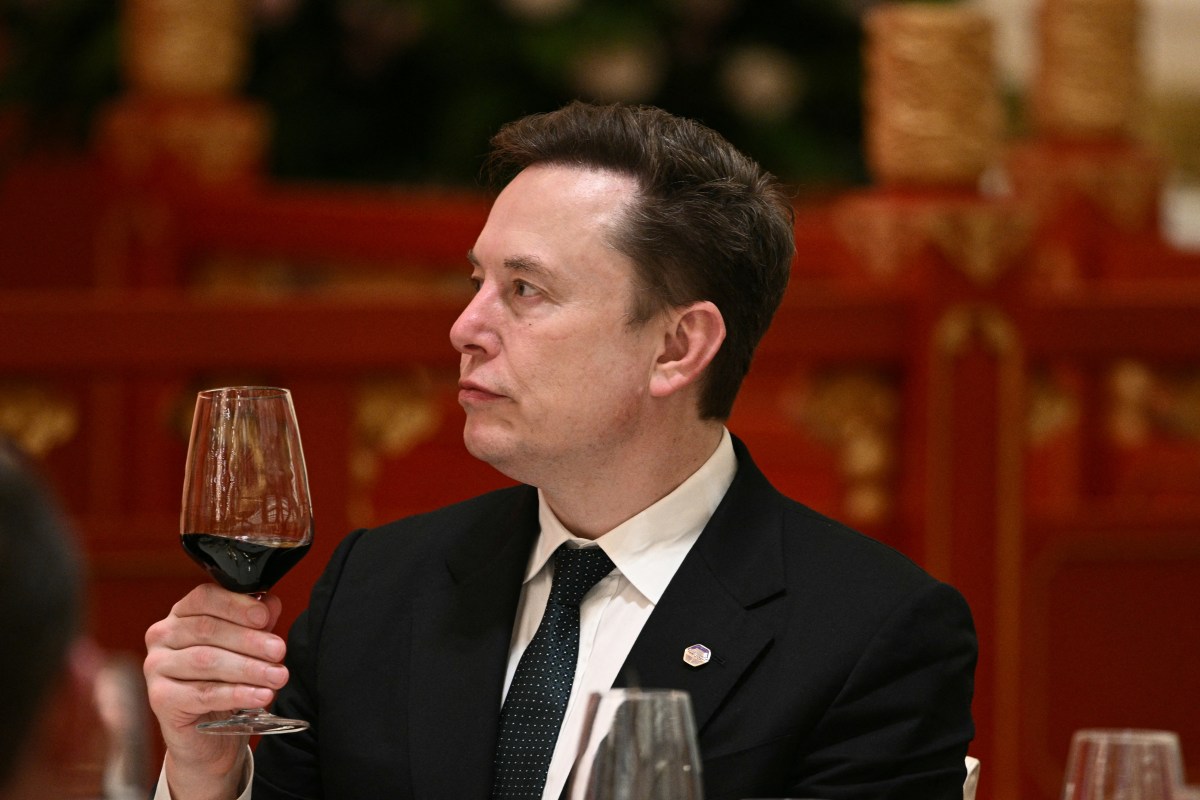
From Earth to Orbit: Musk’s Solar Transition
Musk’s ventures have consistently aimed at the sustainable electrification of our economy. However, his company xAI recently embraced natural gas turbines to power data centers, a curious decision for a leader renowned for championing clean energy. While xAI does invest in Tesla’s grid-scale battery systems, it notably eschews significant investment in solar panels on Earth, signaling a strategic redirection of resources.
SpaceX’s focus on space-based solar solutions is depicted as the next frontier in powering AI data centers. The company claims that space-based arrays could generate over five times the energy of terrestrial panels due to constant sunlight exposure. Thus, this flux of energy capacity in space aligns with the burgeoning demand for AI compute power, which Musk predicts will require terawatt-scale annual growth.
Challenges and Opportunities in Space-Based Solar
While the potential of space-based solar arrays is immense, it comes with its own set of challenges. The cost of launching and maintaining solar panels in space is significantly higher than terrestrial logistics. Moreover, protecting the deployed technology from harsh space conditions adds complexity. Yet, Musk’s first principles approach suggests that the developmental hurdles are worth it, considering Earth’s limitations in meeting upcoming AI demands.
The move to extraterrestrial solar power sources is not just about energy efficiency but a way to circumvent terrestrial political and social challenges, such as the NIMBY (Not In My Back Yard) phenomenon, that often obstruct large-scale data center expansions.
System-Level Shift: Infrastructure Redefined
The transition to space-based solar power epitomizes a broader systemic shift in infrastructure, where traditional energy solutions give way to advancements that utilize the boundless environment of space. As terrestrial resources and capacity become increasingly constrained, shifting operations to space reflects a diversification strategy designed to manage AI’s exponential growth needs.
SpaceX and xAI’s strategy could set precedent for future technological infrastructure developments, potentially influencing regulatory policies and market expectations around AI and renewable energy.
Implications for AI and Energy Industries
This pivot could have far-reaching implications, not just for AI and computing power but also for the energy industry at large. Should Musk’s vision come to fruition, the role of terrestrial energy sources might diminish, paving the way for a new era where space-based energy becomes a cornerstone of AI infrastructure. This transition underscores a significant infrastructure shift that could redefine energy distribution models globally.
Conclusion: Monitoring the Shift
Elon Musk’s decision to move from terrestrial to space-based solar power is more than just a change in technology preference—it is a strategic reorientation that aligns with AI’s burgeoning computational demands. This infrastructure shift could redefine energy consumption models and potentially influence global energy policy. Monitoring continues as the implications of such a shift unfold in real-time.
Observation recorded.