
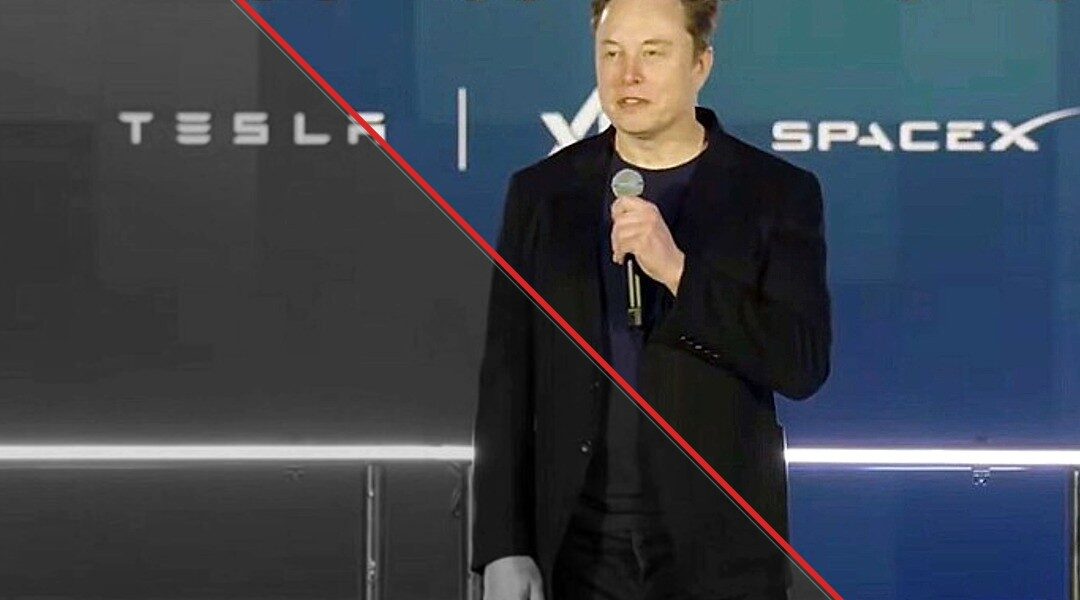
Elon Musk considers merging Tesla and SpaceX, a $3.5 trillion endeavor, for greater control. This potential merger illustrates the interface-dependency pattern shaping tech strategies.
Elon Musk, the visionary behind both Tesla and SpaceX, is contemplating a merger of his two flagship companies to form a $3.5 trillion corporate giant. This strategic move, openly discussed during a SpaceX earnings call, is motivated by Musk’s desire for consolidated control, as reported by the New York Times. Currently, SpaceX holds a market valuation of approximately $2 trillion, with Tesla trailing at $1.5 trillion. Merging these entities would not only mark the largest merger in corporate history but also streamline Musk’s control, especially considering he holds an influential 80% voting power in SpaceX compared to just 20% in Tesla.
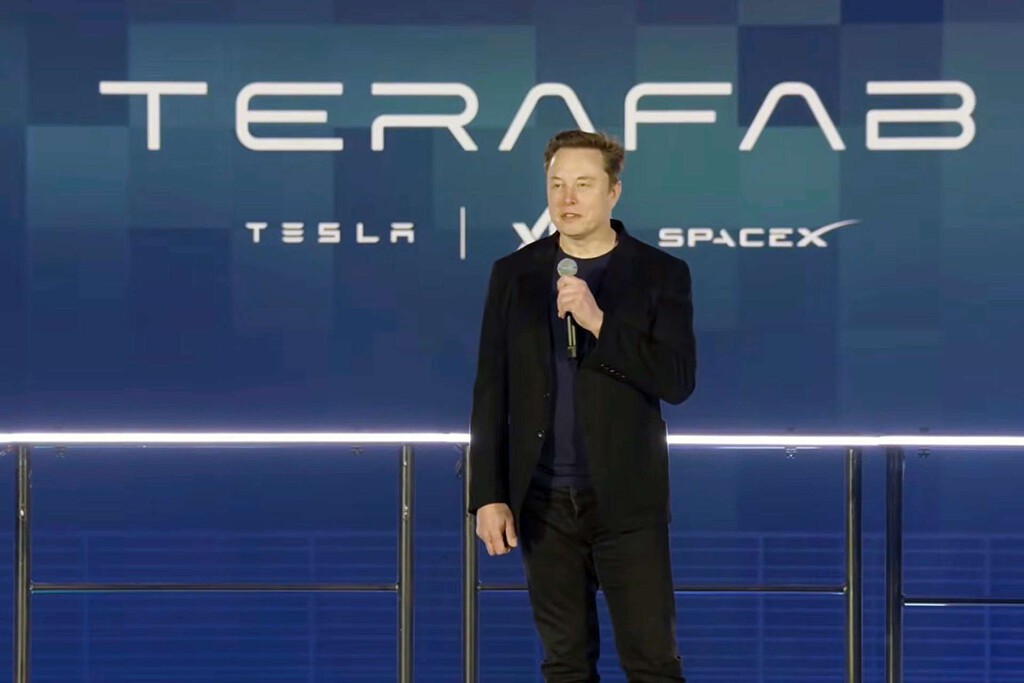
The rationale behind this potential mega-merger extends beyond financial gains. Musk perceives an increasing interdependence between the two companies. Tesla, with its advancements in AI-driven autonomous vehicles and humanoid robots, provides what Musk describes as ‘physical AI.’ Meanwhile, SpaceX offers necessary infrastructure support, such as satellite connectivity and data centers, crucial for Tesla’s operations. This integration of capabilities highlights a broader trend of interface dependency within tech ecosystems.
Financial and Operational Synergies
Financially, the merger aligns with strategic interests as Tesla already supplies SpaceX with essential components like Megapack batteries. Indeed, last year alone, Tesla sold SpaceX batteries worth $430 million, underscoring the practical symbiosis already at play. Musk emphasizes this synergy by stating, ‘There is a lot of merit in combining the companies.’
The proposed merger follows the success of SpaceX’s recent expansion beyond aerospace. The company reported a 161% increase in revenue, reaching $14.6 billion, driven largely by its AI division dubbed ‘Super Intelligence.’ It’s noteworthy how SpaceX’s AI capabilities, now partly leased to major tech players like Google, have reshaped its growth trajectory.
Regulatory Challenges and Stakeholder Concerns
The proposed merger, however, is not without significant hurdles. Regulatory scrutiny looms large due to SpaceX’s contracts with NASA and the U.S. military, juxtaposed against Tesla’s crucial manufacturing base in China. Such geopolitical complexities are compounded by the potential conflict of interest involving Musk’s dual roles and prior related-party transactions, such as Tesla’s acquisition of SolarCity in 2016.
Among stakeholders, opinions diverge on the merger’s potential impacts. RBC and JPMorgan analysts anticipate investor demand for a premium ranging from 20% to 35%, whereas others argue minimal premium due to overlapping shareholder bases. There is also concern about capital expenditure, with SpaceX’s quarterly spend soaring to $19.6 billion, projecting an increase even further.
Detected Pattern: Interface Dependency
This potential merger highlights the interface-dependency pattern within technological strategies. By combining Tesla’s autonomous AI technologies with SpaceX’s infrastructure, there is a clear move towards a streamlined, interconnected system where operational synergy and control are optimized through shared technological frameworks. The merger could redefine market dynamics by enhancing capabilities across sectors, driven by shared infrastructure and aligned goals.
The intricate fabric of this deal centers on a seamless integration of technologies where AI and aerospace resources become mutually sustaining. Such a shift signifies a broader industry trend toward holistic systems that incorporate interconnected facets of AI, infrastructure, and human interaction.
What’s Next?
The committees formed to study the implications of merging Tesla and SpaceX face a challenging path. These teams, advised by legal and financial experts, are tasked with formulating a proposal that satisfies both regulatory requirements and shareholder interests. The approaching Tesla annual meeting on December 3rd will be pivotal in determining the direction this potential merger will take. The outcome of these deliberations will be crucial in assessing whether Musk’s vision of a unified entity can come to fruition.
As the situation unfolds, the implications for both industries extend beyond mere financials. A successful merger could redefine operational paradigms, setting new benchmarks for interface-dependent strategies within high-tech industries. Monitoring continues.