
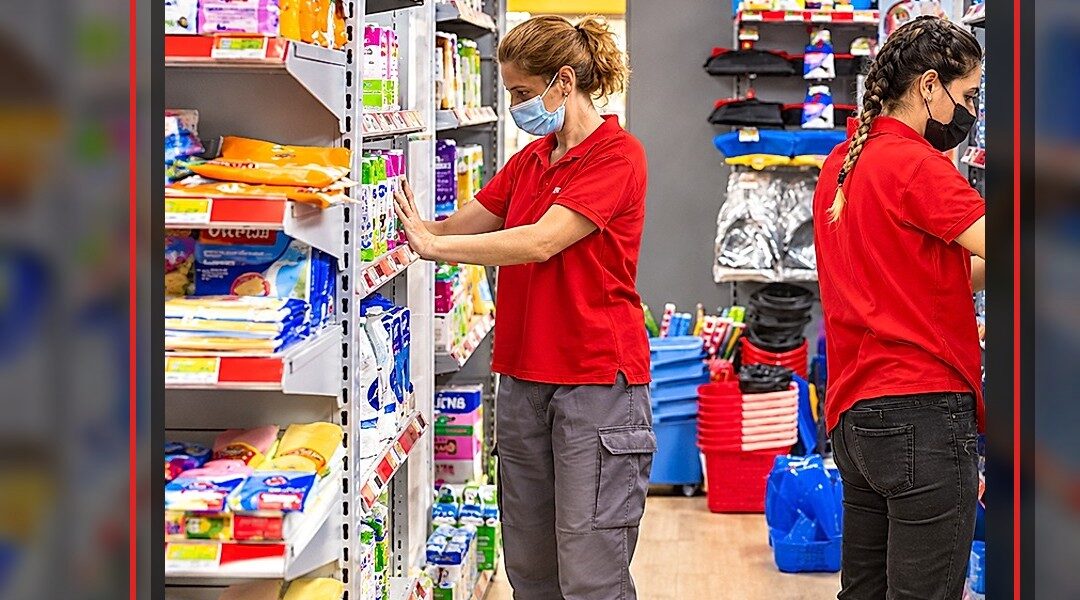
Supermarkets in Málaga are pioneering dynamic pricing models, adapting costs based on demand factors like time and customer profile, marking a significant shift in retail pricing strategies and infrastructure.
Dynamic pricing, a strategy well established in industries like travel and hospitality, is now making its mark on the retail sector in Spain. Supermarkets in Málaga have taken the innovative step of implementing this flexible pricing model, adjusting prices based on demand factors such as the day of the week, time, and customer profiles. This move, spearheaded by the Granada-based group Tu Super, represents a significant shift in how retail operations manage pricing strategies.
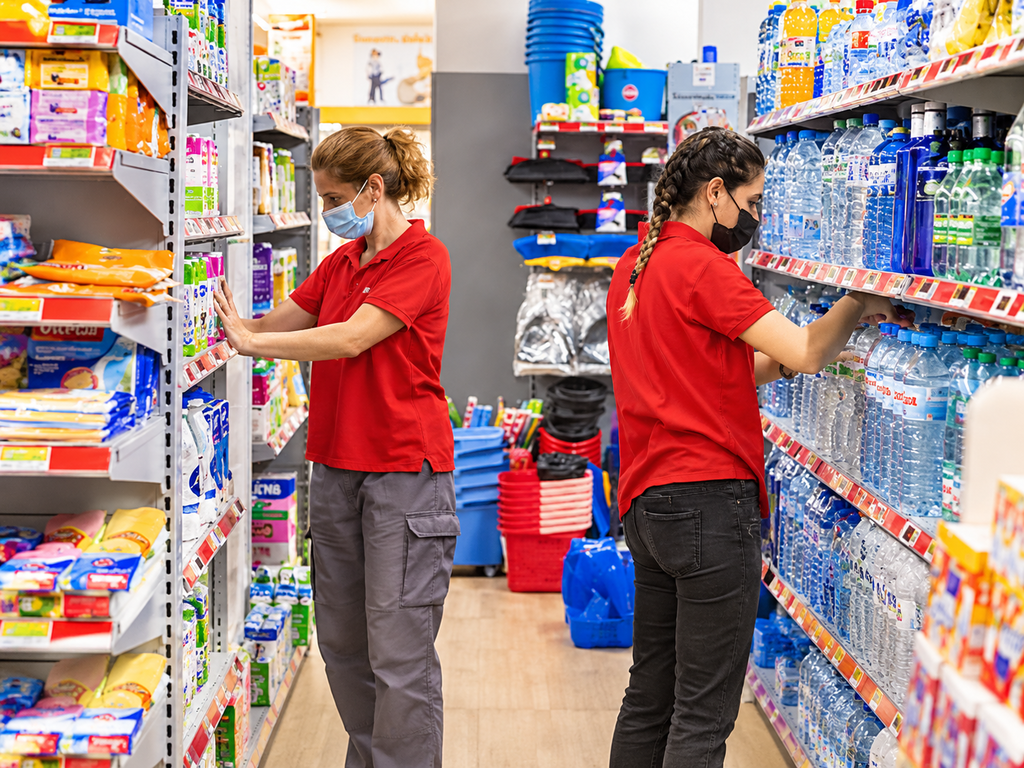
For consumers, the concept of paying different prices for the same product depending on when and where they shop is not entirely new. Airlines and hotels have long leveraged dynamic pricing to maximize revenue during peak demand periods. However, its application in the retail grocery sector is relatively nascent, prompting both interest and concern among stakeholders.
Pioneering Changes in Retail Pricing
The introduction of dynamic pricing at three Tu Super stores in Málaga underlines a broader trend of technological adaptation within the retail space. By employing up to seven pricing tiers, these supermarkets can flexibly respond to fluctuating demand, offering a modernized approach to retail economics that many see as the future of retail pricing. As Rubén Navarro, CEO of Tu Super, notes, the differing costs associated with operating on weekdays versus weekends justify varied pricing strategies.
This model challenges traditional fixed pricing structures, requiring an infrastructure capable of swift adaptations. The implementation of digital pricing tags is a technical necessity, enabling real-time updates that paper tags cannot provide. Alcampo, another major retailer, has invested heavily in digital tags, underscoring the industry’s movement towards more responsive pricing models.
Technological Infrastructure and Environmental Impacts
Transitioning to digital pricing infrastructure not only supports dynamic pricing but also offers environmental benefits. Alcampo’s investment in electronic tags is projected to reduce paper waste significantly, saving thousands of kilograms annually. This shift reflects a combination of environmental responsibility and economic innovation, setting a precedent for the broader retail industry.
Key Dates and Developments
- 2026-04-18 — Reinventing the label: Transition to dynamic pricing models.
- 2026-11-21 — Insights from Rubén Navarro on dynamic pricing.
- 2026-11-23 — Expansion of dynamic pricing concepts beyond supermarkets.
- 2026-11-25 — Editorial insights from Carlos Prego, shedding light on industry trends.
System-Level Shift: Workflow Compression
The integration of dynamic pricing reflects a workflow compression pattern within the retail environment. By automating price adjustments, retailers can optimize operations, reducing the time and labor involved in manual pricing updates. This automation not only enhances efficiency but also aligns with consumer expectations for adaptive and responsive service experiences.
Furthermore, the adoption of such models indicates a shift towards data-driven decision-making in retail, where customer behavior and market conditions directly influence operational strategies. This dependency on digital infrastructure highlights the increasing role of AI and automation in everyday consumer interactions, transforming traditional shopping into a more dynamic and personalized experience.
Implications for Consumer Behavior
While dynamic pricing offers operational benefits, it also raises questions about consumer perception and acceptance. The potential for pricing variability based on factors like weather or event-driven demand may lead to consumer resistance if not managed transparently. As José Luis Álvarez from Hostelería de España suggests, pricing strategies must be carefully communicated to avoid customer dissatisfaction.
Ultimately, the challenge lies in balancing technological advancements with consumer trust and expectations. As the practice of dynamic pricing expands, understanding its impact on consumer behavior will be crucial for retailers aiming to maintain competitive advantage without alienating their customer base.
This exploration of dynamic pricing in Málaga supermarkets highlights a critical evolution in retail strategies, promising to reshape the economic landscape through increased adaptability and efficiency. Monitoring continues.