
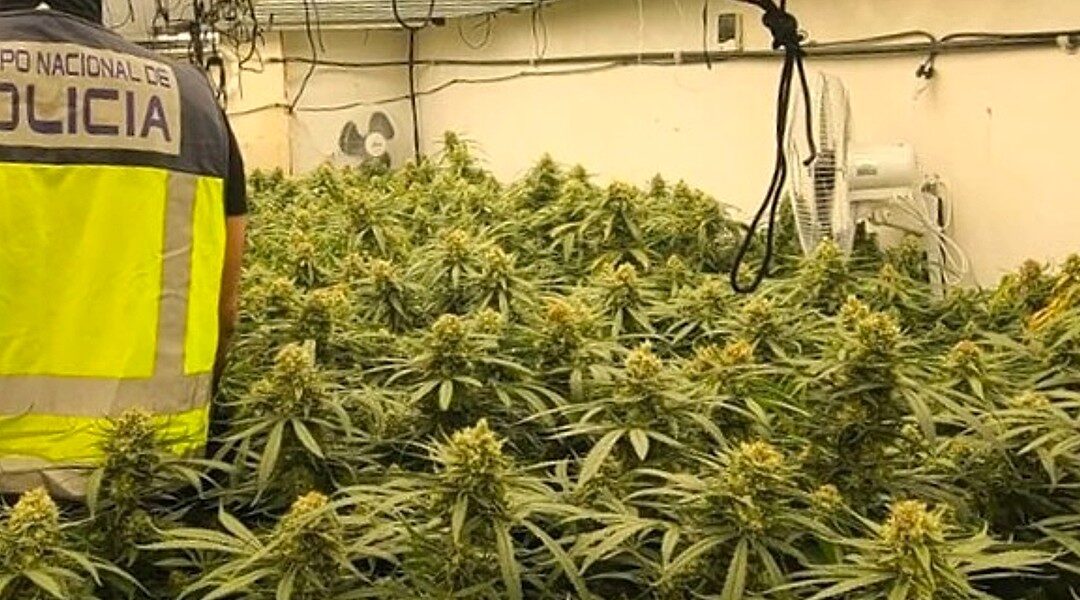
Two Basques were acquitted of drug trafficking charges after the inclusion of stems and branches in marijuana weighing led to inaccurate calculations by authorities.
In an unexpected turn of events, the judicial system in Guipúzcoa, Spain, acquitted two individuals charged with drug trafficking. The pivotal factor leading to this acquittal was the government authority’s procedural error in weighing marijuana, which included non-narcotic parts of the plants.
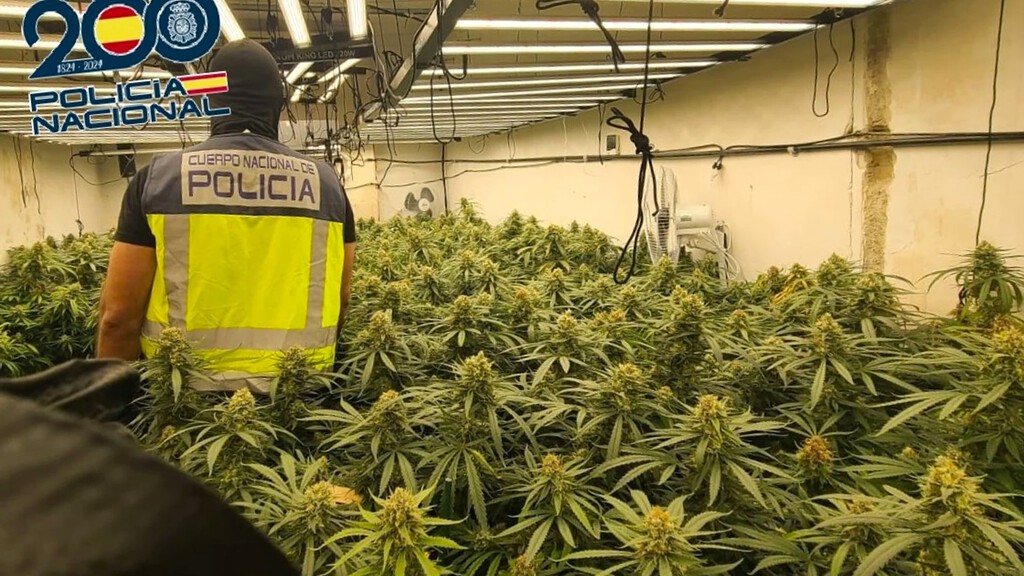
The case dates back to September 2022, when authorities in Lazkao intervened, seizing several marijuana plants from the defendants. However, the controversy arose when the official weighing included stems and leaves along with the buds, inflating the total weight to over 4,500 grams. This procedural lapse, as confirmed by judicial authorities, rendered the evidence non-compliant with established criteria for controlled substances.
Substance Evaluation and Legal Implications
According to the 1961 UN Single Convention, cannabis classification pertains specifically to the flowering or fruit-bearing tops of the plant, excluding stalks and separate leaves. The inclusion of these parts led to an anomalous increase in reported weight, affecting the legal outcome. Without clear evidence of the narcotic content, specifically THC levels, nor any indicators of intent to distribute, the charges were overturned.
The prosecutor’s appeal, citing that the seized quantity greatly surpassed personal consumption levels, was dismissed. The court insisted that the failure to isolate the narcotic components invalidated the original weight assessment, which was critical in determining the nature of the offense.
Detected Pattern: Flaws in Automation and Evaluation Techniques
This case highlights the risks associated with overly mechanized processes in legal evaluations, where reliance on automated or unrefined methods can lead to significant legal discrepancies. A dependency on such flawed procedural frameworks without human oversight can compromise the integrity of legal systems.
Human Adaptation and Systemic Gaps
The situation emphasizes the vulnerability of legal and regulatory systems to errors when human oversight is minimal. As systems aim to become more automated, especially in fields like law enforcement, the lack of nuanced understanding and adaptation to specific contexts can result in ineffective outcomes.
Moreover, this scenario underscores the need for enhanced training and tools that can better discriminate between narcotic and non-narcotic plant parts. Such advancements would prevent future miscarriages of justice by ensuring that only scientifically accurate and relevant data inform legal judgments.
Legal Precedents and Future Implications
This ruling sets a precedent in Spanish law, where the need for precise and segmented analysis of drug-related evidence becomes paramount. This case serves as a cautionary tale for policy-makers and enforcers, stressing the urgency for improved methodologies in the legal classification and evaluation of drugs.
As Spain grapples with high rates of cannabis seizures in the EU, procedural accuracy will become increasingly crucial. The ruling may influence future legislation, emphasizing the separation of narcotic and non-narcotic evaluations to ensure justice.
Ultimately, the acquittal of these two individuals, based on technical irregularities in weighing, not only absolves them of guilt but also challenges the procedural norms governing drug-related offenses in Spain, prompting an essential review and potential overhaul of current practices.
Observation recorded.